

OpenAI Meta Apple AI wearables are quickly becoming one of the most important innovation trends of 2026, as the world’s biggest tech companies push toward a future where smartphones are no longer the center of everyday life. In a surprising but bold shift, companies like OpenAI, Meta, and Apple are now focused on building wearable AI devices that could help reduce smartphone dependency and even fight the growing crisis of phone addiction.
For years, smartphones have dominated modern life. They control communication, entertainment, shopping, banking, social media, and even health tracking. But the downside is obvious: constant notifications, endless scrolling, and addictive app designs have created a society that struggles to disconnect. Now, the OpenAI Meta Apple AI wearables race signals that Silicon Valley may finally be looking for a way to move beyond the phone.
Instead of relying on screens, these new wearable devices aim to offer smarter, more peaceful technology experiences that work in the background and reduce the need for constant phone-checking.
Why Smartphone Addiction Is Becoming a Major Global Issue
The average person checks their phone dozens — sometimes hundreds — of times per day. This behavior has become normal, but experts increasingly warn that it can harm productivity, mental health, sleep patterns, and real-world social interaction.
The rise of smartphone addiction is being fueled by several factors:
- Social media algorithms designed to keep users engaged
- Constant push notifications
- Fear of missing out (FOMO)
- Digital dependence for communication and work
- Mobile gaming and entertainment consumption
This is exactly where OpenAI Meta Apple AI wearables come into the picture. These companies believe the solution isn’t simply “use your phone less,” but instead replace the phone’s role with something more natural, less intrusive, and more human-friendly.

OpenAI’s Plan: Screenless AI Devices for Daily Life
One of the biggest highlights of the OpenAI Meta Apple AI wearables trend is OpenAI’s growing interest in hardware. OpenAI has built its reputation through artificial intelligence tools like ChatGPT, but now it appears the company is interested in building a physical device that could reduce screen dependence.
Reports suggest OpenAI is exploring the concept of a screenless wearable AI gadget — something that might work more like a personal assistant than a smartphone.
Instead of forcing you to open apps and scroll endlessly, OpenAI’s wearable vision could rely on:
- voice interaction
- contextual reminders
- quick responses without a screen
- proactive assistance based on user habits
The idea is simple: if the AI can provide answers, reminders, and guidance without requiring a phone, users may naturally reduce screen time.
If successful, OpenAI Meta Apple AI wearables could become a turning point in how humans interact with technology.
Meta’s Strategy: Smart Glasses and AI Augmented Reality
Meta has been pushing wearable technology for years, especially through its investments in virtual reality and augmented reality. In 2026, Meta’s goal appears clearer than ever: replace smartphone usage with smart glasses and AI-based wearable experiences.
Meta’s wearable plans focus heavily on:
- smart glasses
- AR-based overlays
- voice assistant integration
- real-time notifications without a phone screen
- camera-based environmental awareness
Meta believes that instead of pulling out a phone, people could simply glance at glasses or speak to their wearable assistant.
This is why OpenAI Meta Apple AI wearables are being seen as the next major “platform war.” Meta is not just building a product — it’s trying to create the next generation of digital life where smartphones become optional.
The company is betting that future users will prefer wearable interaction over phone scrolling.
Apple’s Wearable Evolution Beyond the iPhone
Apple is already the leader in wearables through the Apple Watch and AirPods. But now, Apple appears to be taking the wearable strategy further by focusing on AI-first devices.
As part of the OpenAI Meta Apple AI wearables trend, Apple is reportedly exploring multiple new wearable directions, including:
- smart glasses
- AirPods with enhanced sensors
- wearable AI assistant devices
- technology that integrates AI with daily routines
Apple’s approach is likely to be different from OpenAI and Meta because Apple is deeply tied to the iPhone ecosystem. Instead of replacing the phone completely, Apple may create AI wearables that reduce phone usage while still relying on the iPhone in the background.
This would allow Apple users to experience the benefits of AI wearables without abandoning their existing Apple ecosystem.
If Apple succeeds, OpenAI Meta Apple AI wearables could lead to a future where the iPhone becomes less visible — but still powerful behind the scenes.
The Real Goal: Replace the Smartphone Without Losing Convenience
The smartphone is popular for one reason: it does everything.
So the big challenge for OpenAI Meta Apple AI wearables is whether wearables can provide the same convenience without forcing people to carry a mini computer in their pocket.
To truly reduce smartphone addiction, AI wearables must solve key daily needs such as:
- messaging
- navigation
- calendar scheduling
- reminders
- news updates
- shopping assistance
- voice calls
- camera usage
- real-time translation
- fitness and health tracking
If these wearables cannot match the convenience of smartphones, users will simply return to their phones.
That is why this AI wearable race is so competitive. Each company understands that winning this battle could mean controlling the next decade of consumer technology.
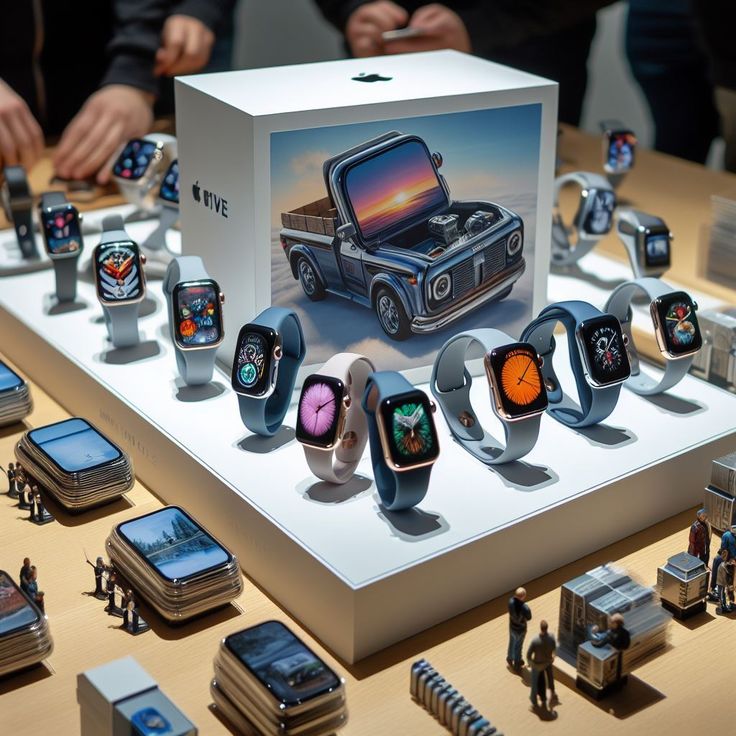
Will AI Wearables Actually Reduce Phone Addiction?
This is the biggest question behind the OpenAI Meta Apple AI wearables revolution.
Many experts believe AI wearables could reduce screen addiction because they remove the need for constant tapping and scrolling. A screenless device could offer a calmer, more focused way to interact with technology.
However, critics warn of a different danger: AI addiction.
Instead of being addicted to screens, people might become addicted to constant AI interaction, voice prompts, and digital assistance. A wearable AI assistant could still create dependence — just in a different form.
This raises ethical concerns, including:
- privacy issues (always listening devices)
- surveillance fears
- data collection and user tracking
- emotional dependency on AI assistants
- reduced human interaction
So while OpenAI Meta Apple AI wearables may reduce phone addiction, they could also introduce new risks that society will have to address.
Privacy and Trust Will Decide the Future
One major barrier to wearable AI technology is trust.
Phones already collect huge amounts of user data, but wearables could take this even further. Smart glasses with cameras, AI assistants with microphones, and devices that monitor location could create a privacy nightmare if not properly controlled.
Consumers will demand:
- clear privacy rules
- transparency about data usage
- strong security protection
- local processing instead of cloud storage
- control over what devices record
If OpenAI Meta Apple AI wearables cannot solve privacy concerns, public backlash could slow adoption.
Apple may have an advantage here because it has long marketed itself as privacy-friendly compared to competitors.
How This Could Change Social Media and Digital Life
If AI wearables succeed, social media could change dramatically.
Instead of scrolling feeds on phones, future users might receive short AI summaries of updates, news, and messages. Social platforms may shift toward voice-based interaction or AR experiences.
This could disrupt:
- TikTok-style content consumption
- Instagram and photo-based engagement
- doomscrolling culture
- constant notification-driven habits
That’s why OpenAI Meta Apple AI wearables are more than just gadgets — they could reshape how people consume information, interact socially, and even build relationships.
What the Future Could Look Like in 5 Years
If this wearable race continues, the future might look like this:
- People rely on AI assistants through smart glasses
- Phones become secondary backup devices
- Work and communication happen through voice AI
- Wearables handle reminders, tasks, and scheduling
- AI provides daily summaries instead of constant scrolling
- Digital addiction shifts from apps to AI dependency
In that world, smartphones may still exist, but they won’t dominate daily life like they do today.
This is why OpenAI Meta Apple AI wearables represent such a powerful shift — it’s not about new hardware, it’s about redefining the human-tech relationship.
Conclusion
The rise of OpenAI Meta Apple AI wearables in 2026 is one of the most exciting and disruptive tech trends in years. With OpenAI exploring screenless AI gadgets, Meta investing in smart glasses, and Apple expanding its AI wearable ecosystem, the race is on to reduce smartphone addiction and create a new generation of devices.
These wearables promise a future where technology feels more natural, less addictive, and more integrated into everyday life. But questions about privacy, trust, and whether AI wearables truly solve phone addiction remain critical.
One thing is clear: the next major tech revolution may not be another smartphone — it may be the device you wear.
For more U.S. technology and innovation coverage, visit FFR News Business for External reporting on the OpenAI Meta Apple AI wearables trend and smartphone addiction concerns has been covered by Business Insider and other major U.S. technology publications.