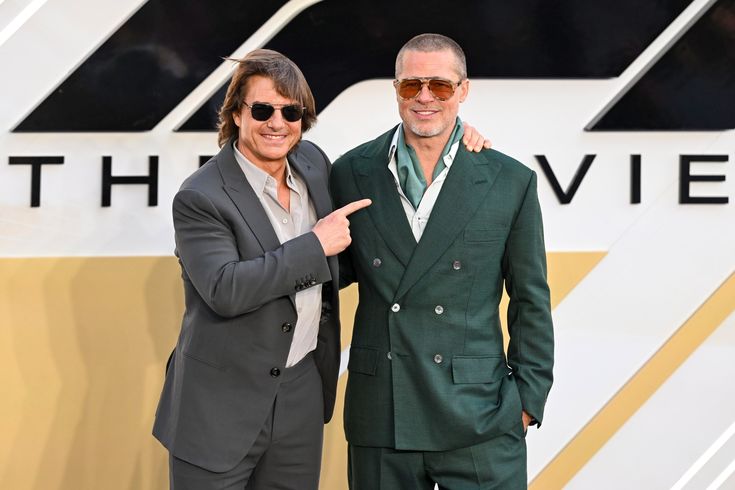
AI video of Tom Cruise fighting Brad Pitt has exploded across social media, leaving Hollywood stunned and raising serious alarm about how quickly artificial intelligence is reshaping the entertainment world. The hyper-realistic clip, showing two of the biggest movie stars of all time locked in a dramatic fight sequence, looks like it came straight from a blockbuster action film. But the truth is even more unsettling: the scene never happened, and the entire video was created using advanced AI video generation technology.
What makes this story especially important is not just the viral popularity of the clip — it’s the growing fear inside Hollywood that the future of filmmaking may be slipping out of human hands. The video sparked strong reactions from writers, creators, and industry organizations, with some warning that AI is reaching a point where it could disrupt film production in ways no one expected.
This deepfake moment is now being seen as a major turning point in the global conversation about AI ethics, copyright, and the survival of creative jobs.
Why the AI Video Went Viral So Fast
The AI video of Tom Cruise fighting Brad Pitt became viral because it looks too real. Earlier deepfake videos often had obvious flaws: unnatural facial movements, weird lighting, awkward hands, or strange audio. But this new clip appeared far more polished, with realistic body motion, cinematic camera angles, and a smooth Hollywood-style action vibe.
Many users online initially believed it was a leaked movie trailer or a secret film project. Even viewers who knew it was fake admitted it looked shockingly convincing. The clip spread rapidly on platforms like TikTok, X (Twitter), Instagram, and YouTube Shorts, pulling in millions of views in a short time.
This is exactly why the video has become such a major headline — it shows how AI has reached a stage where the average person may not be able to tell what’s real and what’s generated.
The Hollywood Writer Warning That Sparked Panic
One of the biggest reactions came from a well-known Hollywood writer who publicly warned that if AI video generation keeps improving at this speed, the traditional film industry could be in serious trouble.
The warning gained attention because it wasn’t coming from a random critic or internet personality. It came from someone deeply connected to major Hollywood projects, and the message was blunt: AI may soon be able to replace large parts of the filmmaking process.
The fear is that studios may eventually choose AI-generated actors, AI-generated scenes, and AI-generated scripts because it could be cheaper and faster than hiring real talent. For writers, directors, editors, and visual effects teams, this could be a nightmare scenario.
While some people argue that AI will only become a “tool,” many professionals believe this is the beginning of a massive shift in power — where creative work is no longer protected the way it used to be.
How AI Deepfake Technology Is Evolving
The AI video of Tom Cruise fighting Brad Pitt is reportedly linked to a new generation of AI models that can generate short cinematic scenes from text prompts. Unlike older AI systems that required heavy editing, this technology can create video sequences that look like studio footage.
This new wave of AI video tools is capable of producing:
- realistic celebrity faces and expressions
- fast action sequences with believable motion
- Hollywood-style lighting and camera movement
- cinematic backgrounds and environments
- dramatic fight choreography
That is what makes this clip different from the deepfakes of the past. It isn’t just a face swap — it’s an entire scene that appears professionally produced.
For Hollywood, this represents a new kind of threat: AI that can generate a full movie-style sequence without the need for actors, stunt coordinators, or production crews.
Why Celebrities Are at Risk
The most dangerous part of deepfake technology is that it can copy a celebrity’s image and reputation without permission. Tom Cruise and Brad Pitt are not just actors — they are brands worth millions, sometimes billions, in movie deals, sponsorships, and licensing.
If AI can recreate them in scenes they never acted in, it raises major ethical questions:
- Who owns a celebrity’s face?
- Who controls their image in AI content?
- Can AI “steal” their identity?
- What happens when fake clips damage their reputation?
This is why many believe the AI video of Tom Cruise fighting Brad Pitt is not just entertainment — it is a warning sign of a larger problem that could soon affect politics, journalism, and public trust.
Copyright Concerns and the Future of Intellectual Property
One of the biggest controversies around AI-generated video is copyright. Hollywood studios invest massive money into intellectual property. If AI systems are trained on copyrighted movies, scenes, scripts, or actor performances, it creates a legal war that may define the next decade of entertainment.
Hollywood unions and organizations have already expressed serious concerns that AI video generators may be using copyrighted material without licensing agreements.
If a model is trained using thousands of action movie scenes, fight choreography, lighting techniques, and famous actor performances, then it can “regenerate” something that feels original — but is actually based on years of copyrighted creative work.
This is why many experts say the film industry could face a massive legal battle over AI training data, copyright ownership, and intellectual theft.
The SAG-AFTRA and Writer Union Fear
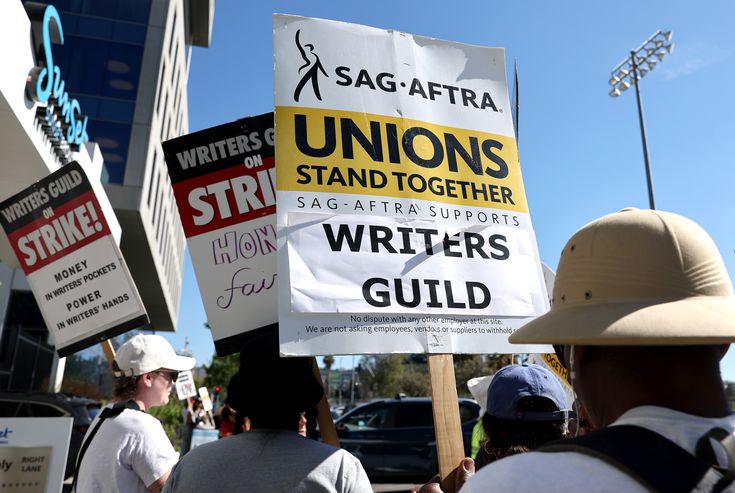
Hollywood unions have been warning for years that AI could become a threat to jobs. Writers and actors fought hard during recent labor disputes to protect their work from being replaced or copied by AI.
The AI video of Tom Cruise fighting Brad Pitt strengthens those fears, because it shows AI can generate star-level content without needing permission.
For actors, this could mean studios might someday use AI versions of performers without paying them. For writers, it could mean studios could generate scripts with AI rather than hiring human talent.
Even if studios claim AI will only assist production, the concern is obvious: once the technology becomes good enough, cost-cutting may push companies toward automation.
The Bigger Problem: Trust in Media Is Collapsing
The AI video of Tom Cruise fighting Brad Pitt is also part of a larger issue — society’s ability to trust what it sees.
In the past, video footage was considered proof. If something was recorded, it was assumed to be real. But AI is now breaking that rule.
If realistic deepfake videos become common, it could lead to a world where:
- fake celebrity scandals spread instantly
- political misinformation becomes harder to stop
- news organizations struggle to verify footage
- people stop believing real videos entirely
This is dangerous because it creates what some experts call a “reality crisis,” where truth becomes harder to prove.
That may be the most serious long-term impact of deepfake technology, beyond Hollywood and entertainment.
Why This Viral Clip Could Change Film Forever
Hollywood is built on talent, storytelling, and production skill. But if AI can generate a convincing fight scene with two A-list stars in seconds, it changes the value of filmmaking.
Studios could theoretically use AI to:
- generate trailers without shooting a film
- create scenes before casting actors
- produce low-budget films with AI-generated performers
- test story ideas instantly with realistic visuals
For independent creators, this could be revolutionary. But for Hollywood professionals, it could be catastrophic if it results in job losses and a decline in human-driven creativity.
The entertainment industry may soon face a future where AI-generated content floods the market, and audiences struggle to tell which movies are real productions and which are machine-generated.
What Experts Say About Regulation
The rapid growth of deepfake AI has created pressure for stronger regulations. Governments and technology watchdogs have already discussed laws requiring AI-generated videos to include visible labels or watermarks.
However, enforcement remains difficult because AI content spreads globally within minutes.
Some experts believe AI video tools should be restricted from using celebrity likeness unless the person provides consent. Others believe the responsibility should fall on platforms like TikTok, YouTube, and X to detect and remove deepfake content.
Still, the technology is moving faster than legal systems can respond.
Conclusion
The AI video of Tom Cruise fighting Brad Pitt may look like harmless entertainment, but the reaction from Hollywood shows it is far more serious. A clip that appears like a real blockbuster fight scene was created by AI, proving that deepfake technology has reached a new level of realism.
With top Hollywood writers warning about the future of creative jobs, and industry organizations raising concerns about copyright theft and unauthorized likeness use, this viral video has become a major symbol of the growing AI battle in entertainment.
The world is now entering an era where anyone with the right AI tool may be able to generate cinematic content featuring celebrities, action sequences, and realistic storytelling — without studios, actors, or production crews.
For Hollywood, this moment isn’t just shocking.
It’s a warning.
For more breaking U.S. innovation and entertainment technology updates, visit FFR News Culture for continued coverage on AI trends and viral media stories. External coverage and reporting on the AI video of Tom Cruise fighting Brad Pitt has been reported by major entertainment outlets including The Hollywood Reporter, Entertainment Weekly, Deadline, and other media tracking the rapid rise of deep fake technology.