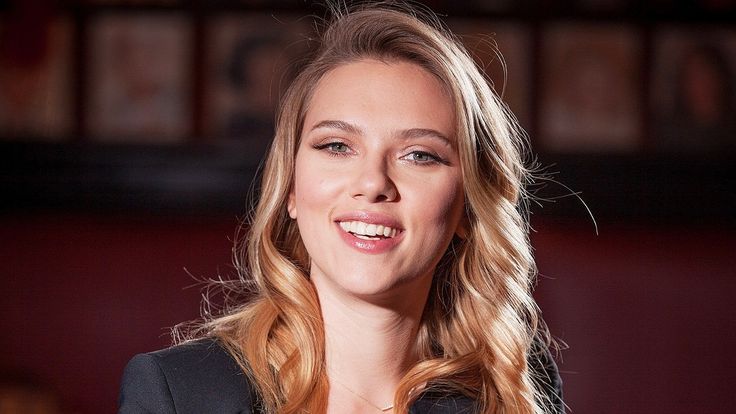
Anti AI Campaign – The growing backlash against artificial intelligence in the creative industries reached a new turning point as Scarlett Johansson, Cate Blanchett, and Joseph Gordon-Levitt joined more than 700 artists, writers, and creators backing a powerful new anti-AI campaign accusing technology companies of exploiting copyrighted work without permission.
The campaign arrives at a moment when governments in both the United States and Europe are actively debating how artificial intelligence systems should be trained, regulated, and monetised. At the heart of the dispute is a core demand from creatives: that innovation in AI must not come at the cost of authorship, ownership, and creative labor.
“Stealing our work is not innovation. It’s not progress. It’s theft – plain and simple,” the campaign’s statement declares, framing the issue as not only a legal concern but a moral one that could reshape the future of film, television, music, publishing, and digital media.
Hollywood’s Creative Economy Feels Under Threat
According to the statement signed by Johansson, Blanchett, Gordon-Levitt and hundreds of others, the fight is not merely about individual careers or celebrity earnings. Instead, it centers on protecting the entire U.S. creative sector, an ecosystem that supports millions of jobs and generates enormous cultural and economic value globally.
The signatories warn that unchecked AI training practices threaten an industry that fuels everything from independent filmmaking to streaming platforms and international media exports. By scraping films, scripts, performances, books, and music without authorization, AI developers risk undermining the very foundation of creative work.
“America’s creative community is the envy of the world,” the statement notes, adding that some of the world’s largest technology firms — many backed by private equity — are building powerful AI systems while ignoring existing copyright protections.
Why the Anti-AI Campaign Is Different This Time
What distinguishes this anti-AI campaign from previous industry protests is its scale and clarity. More than 700 creators across disciplines have united behind a single, direct message, rejecting vague promises of innovation in favor of enforceable protections.
Rather than opposing artificial intelligence outright, the campaign argues that responsible AI development is possible — but only if companies engage in licensing agreements, partnerships, and transparent compensation models for creators whose work is used to train algorithms.
The statement emphasizes that ethical innovation does not require sacrificing artists’ rights, insisting that technological progress and creative ownership can coexist.
Scarlett Johansson’s Long-Running Battle Against AI Abuse
Scarlett Johansson’s involvement carries particular weight given her years-long public resistance to AI misuse. The actress has repeatedly spoken out against the unauthorized recreation of her likeness and voice, warning that AI technology has advanced faster than protections designed to safeguard individuals.
In February 2024, Johansson condemned a viral AI-generated video that falsely depicted her and other celebrities responding to controversial online content. Later that year, she took legal action against an AI app that used her name and image in advertising without consent.
Her concerns escalated further in May 2024 when she criticized OpenAI after a GPT-4o chatbot voice named “Sky” was widely compared to her performance in Spike Jonze’s 2013 film Her. Johansson stated that the resemblance crossed ethical boundaries, reigniting debate over whether AI companies can draw “inspiration” from copyrighted performances without permission.
Cate Blanchett Warns of Innovation Without Imagination
Cate Blanchett has also emerged as a vocal critic of AI’s unchecked expansion. Speaking publicly at international film events, including the Toronto International Film Festival, Blanchett cautioned against celebrating innovation without fully considering its cultural and ethical consequences.
“Innovation without imagination is a very, very dangerous thing,” she said, arguing that technology must serve humanity rather than replace or exploit it.
Blanchett’s position aligns closely with the campaign’s broader message: that creativity is not a raw material to be mined freely, but a human endeavor that deserves respect and protection.
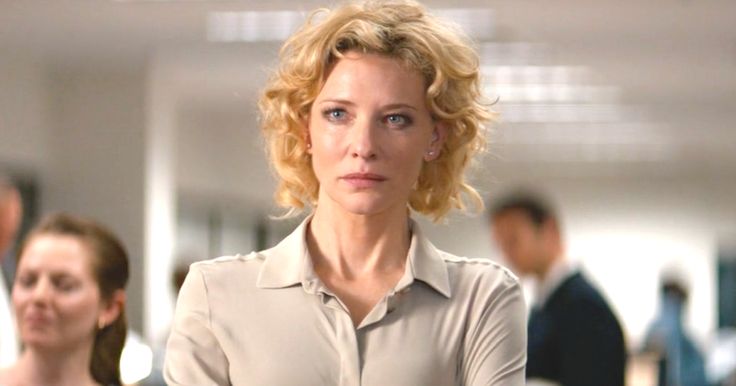
Joseph Gordon-Levitt and Hollywood’s Policy Push
Joseph Gordon-Levitt’s involvement highlights how deeply the issue has penetrated policy discussions in Washington. In 2025, Gordon-Levitt, Blanchett, and hundreds of other Hollywood figures signed an open letter urging the U.S. government not to weaken copyright laws under pressure from AI developers.
That earlier effort targeted proposals that would allow artificial intelligence companies broader access to copyrighted materials without consent. The new campaign builds on that momentum, signaling that frustration within the creative community has only intensified.
As lawmakers consider updates to copyright frameworks and AI governance, the campaign aims to influence regulatory outcomes before irreversible precedents are set.
The Core Argument: Licensing Over Scraping
Central to the anti-AI campaign is a clear alternative to mass data scraping: licensing deals and partnerships. The statement points out that some AI companies have already chosen to negotiate content agreements, proving that ethical models are both viable and scalable.
By compensating creators and clearly defining how content is used, AI developers can continue advancing their systems while respecting the rights of artists, writers, and performers.
“A better way exists,” the campaign insists. “It is possible to have advanced, rapidly developing AI and ensure creators’ rights are respected.”
Why This Debate Matters Beyond Hollywood
Although the campaign is led by high-profile film and television figures, its implications extend far beyond entertainment. Publishing, journalism, music, gaming, and digital design industries all face similar challenges as AI models absorb massive quantities of copyrighted material.
If unresolved, the dispute could reshape how intellectual property is valued in the digital age — determining whether creative work remains a protected asset or becomes a free resource for algorithmic training.
The outcome will influence not just future artists, but the structure of innovation itself.
This report forms part of FFRNEWS Culture, examining the global impact of artificial intelligence on creative industries and digital rights. Reporting is based on statements and developments detailed in Variety’s coverage of the anti-AI campaign involving Scarlett Johansson, Cate Blanchett, and Joseph Gordon-Levitt, alongside broader discussions surrounding copyright protections, AI regulation, and ethical technology development within the innovation sector, as well as ongoing debates tracked through FFRNEWS Innovation reporting on how emerging technologies intersect with culture, media, and intellectual property frameworks.