
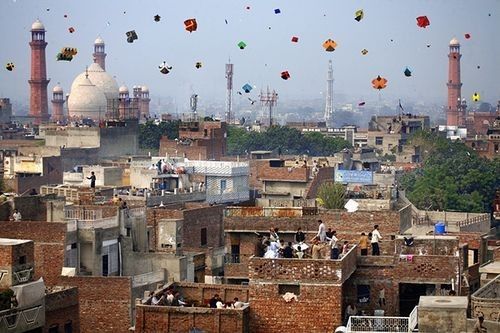
Basant economic impact Lahore has become increasingly evident as the iconic kite-flying festival returns, injecting fresh energy into the city’s economy and cultural life. After years of absence, the revival of Basant has transformed Lahore’s streets, rooftops, and markets into vibrant hubs of activity, blending celebration with economic momentum and social renewal.
From bustling kite markets to fully booked hotels, Basant has reawakened a festive spirit deeply rooted in Lahore’s identity. The festival’s return is not only symbolic but also economically significant, offering relief to small businesses, artisans, vendors, and the hospitality sector while reconnecting citizens with a cherished cultural tradition.
Local Markets Experience a Surge in Activity
One of the most immediate effects of the Basant revival has been the surge in commercial activity across Lahore’s traditional markets. Areas known for kite-making and festival supplies have seen a sharp increase in foot traffic as families and enthusiasts prepare for the celebrations.
Shopkeepers report higher-than-expected sales of kites, strings, protective gear, traditional clothing, and festive accessories. Many small vendors, who had struggled with slow business in recent months, say Basant has provided a much-needed economic boost.
Seasonal stalls selling food, drinks, and cultural items have also flourished, turning neighborhoods into lively micro-economies during the festival period.
Hospitality and Tourism See Strong Gains
The Basant economic impact Lahore is particularly visible in the hospitality and tourism sectors. Hotels, guesthouses, and short-term rentals across the city have reported high occupancy rates, driven by visitors arriving from other cities and overseas Pakistanis eager to experience the festival’s return.
Restaurants and rooftop cafés have capitalized on the occasion by offering Basant-themed menus, live music, and special events. Many establishments have extended operating hours to accommodate increased demand, generating higher revenues and additional employment opportunities.
Tour operators and cultural guides also note renewed interest in Lahore’s heritage districts, as Basant celebrations draw attention to the city’s historic architecture and traditional lifestyle.
Employment Opportunities Increase During Festivities
Basant has created temporary employment opportunities across various sectors. Kite makers, string producers, decorators, event staff, security personnel, and food vendors have all benefited from the seasonal demand.
For many daily wage earners, the festival provides short-term income that helps offset rising living costs. Event organizers say the controlled return of Basant has allowed authorities to regulate activities while still enabling economic participation at the grassroots level.
Economists note that festivals like Basant play a crucial role in informal economies, where even short-term events can have meaningful financial impact for thousands of households.
Cultural Revival Strengthens Social Bonds
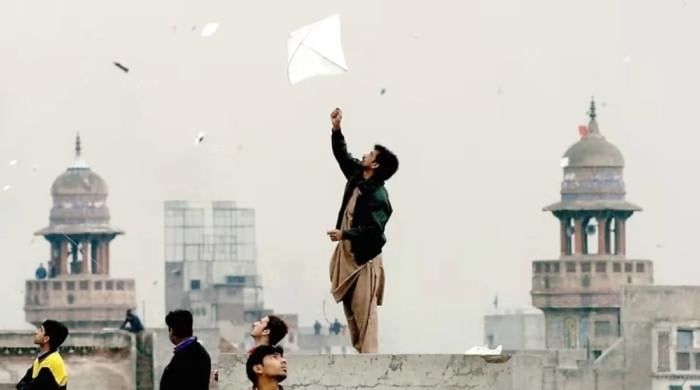
Beyond economics, Basant’s return has reignited a sense of collective joy and cultural pride in Lahore. Rooftops filled with colorful kites have once again become spaces for social interaction, where families, neighbors, and friends gather to celebrate together.
Music, traditional foods, and shared festivities have helped bridge generational gaps, allowing younger Pakistanis to experience a tradition they previously knew only through stories and photographs.
Cultural observers say the festival’s revival reinforces Lahore’s reputation as a city of art, celebration, and resilience, strengthening its social fabric during uncertain times.
Social Media Amplifies Basant’s Reach
The visual appeal of Basant has made it a trending topic across social media platforms. Images and videos of kite-filled skies, festive rooftops, and traditional attire have circulated widely, drawing international attention to Lahore’s cultural revival.
Hashtags related to Basant have trended locally and regionally, helping promote tourism and cultural curiosity beyond Pakistan’s borders. Influencers, celebrities, and public figures sharing their Basant moments have further amplified the festival’s visibility.
This digital exposure contributes indirectly to economic growth by positioning Lahore as a vibrant cultural destination and encouraging future travel and investment.
Balancing Celebration With Safety and Regulation
Authorities have emphasized that the economic and cultural benefits of Basant must be balanced with public safety. Strict regulations on kite materials, flying zones, and event timings have been enforced to prevent past tragedies linked to hazardous strings and unsafe practices.
While isolated incidents have been reported, officials maintain that improved oversight and community awareness are key to ensuring the festival’s sustainability. Business owners and cultural advocates agree that responsible celebration is essential for Basant to continue as a positive force for the city.
Many believe that maintaining safety standards will allow Basant to grow into a regulated cultural event that supports the economy without compromising public welfare.
Long-Term Economic Potential of Basant
Experts argue that if managed effectively, Basant could evolve into an annual cultural tourism event with long-term economic benefits. Similar festivals worldwide generate sustained revenue through branding, sponsorships, and international promotion.
By formalizing Basant celebrations, Lahore could attract foreign visitors, cultural exchanges, and creative industries, further strengthening its economy. Policymakers are encouraged to explore frameworks that preserve tradition while maximizing economic value.
The Basant economic impact Lahore demonstrates how cultural heritage can function as an economic asset when supported by thoughtful governance and community engagement.
A Festival That Revives More Than Just Skies
As colorful kites fill Lahore’s skies once again, Basant’s return symbolizes more than celebration — it reflects economic revival, social unity, and cultural resilience. For many residents, the festival represents hope, normalcy, and a reconnection with the city’s vibrant identity.
With continued regulation and public cooperation, Basant has the potential to remain a source of joy and prosperity, proving that tradition and progress can coexist.
This article is part of FFRNEWS Culture & Society coverage, tracking cultural festivals, social trends, and their economic impact across Pakistan. Reporting is based on regional media coverage, local business insights, and cultural analysis from Al Jazeera, Dawn, and India Today.