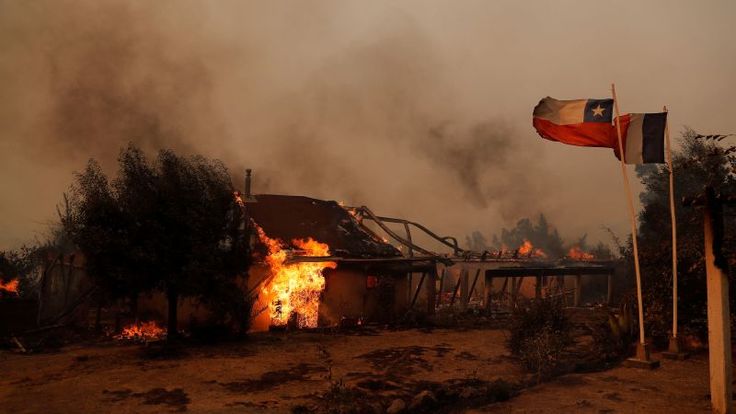
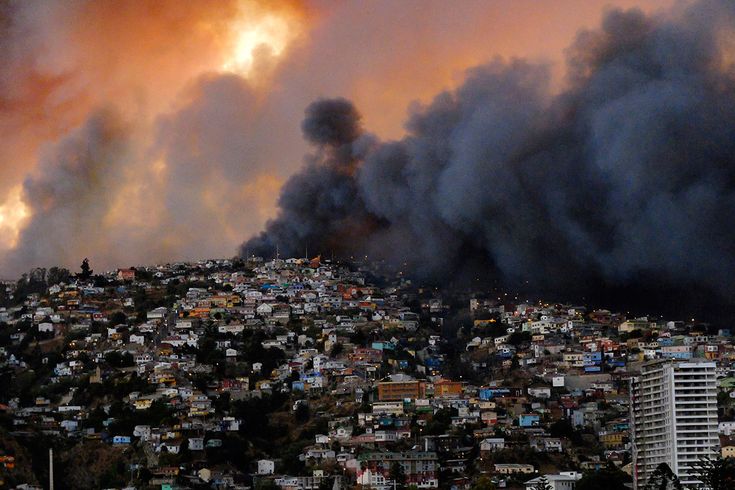
The Chile forest fire 2026 has become one of the deadliest natural disasters in southern Chile in recent years. Two dozen active wildfires have swept across the Biobio and Nuble regions, prompting mass evacuations and leaving at least 22 people dead. The fires have destroyed hundreds of homes, displaced tens of thousands, and forced President Gabriel Boric to declare a state of emergency to mobilize the armed forces and emergency resources.
State of Emergency Declared Amid Devastation
President Boric announced the state of emergency on January 18, 2026, giving authorities the power to deploy all available resources to contain the fires. The move allows the Chilean military to assist firefighters and coordinate relief efforts. Boric warned that the death toll may rise as conditions remain unpredictable.
Interior Minister Alvaro Elizalde confirmed that extreme temperatures and dry weather in the coming days will make firefighting efforts increasingly difficult. “We face a complicated situation,” he said, highlighting the urgent need for swift action to protect residents in affected areas.
Evacuations and Community Impact
More than 50,000 people have been evacuated from the hardest-hit cities of Penco and Lirquen in Biobio. These two cities alone house around 60,000 residents. The fires have scorched approximately 85 square kilometers, destroying at least 250 homes, leaving many families without shelter and essential services.
Local authorities are working to provide temporary housing, food, and medical care to those affected, while volunteers and relief organizations assist with emergency support. The social and economic impact is expected to be significant, with agriculture, forestry, and local businesses in Biobio and Nuble suffering major losses.
Response from Authorities and Firefighters
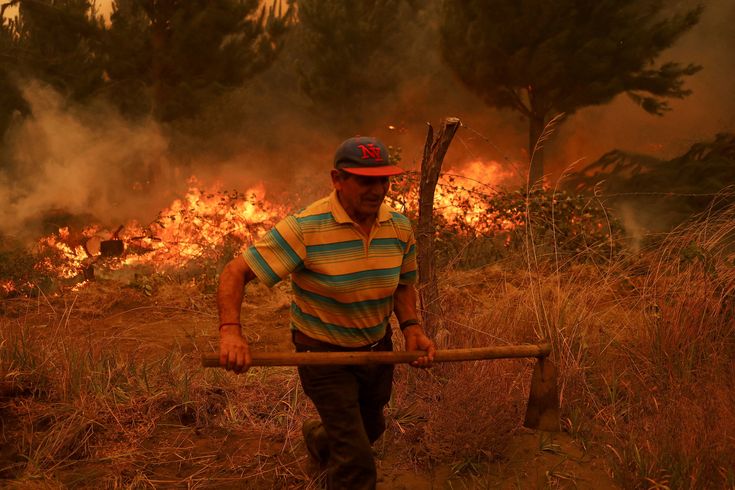
Chilean authorities are coordinating a large-scale firefighting effort, combining national resources and local volunteers. Firefighters face extreme conditions, including high winds, dense smoke, and rapidly spreading flames.
President Boric has personally overseen response measures and emphasized that all available resources are being deployed to save lives and prevent further damage. The declaration of a nighttime curfew in the hardest-hit areas aims to ensure civilian safety while allowing emergency teams to operate effectively.
Historical Context of Forest Fires in Chile
Southern Chile has faced repeated forest fire crises in recent years. In February 2024, simultaneous fires claimed over 130 lives, marking one of the country’s deadliest fire events. Experts warn that rising temperatures, prolonged droughts, and climate change continue to increase the risk of large-scale wildfires in the region.
The Chile forest fire highlights the urgent need for investment in early warning systems, firefighting infrastructure, and community preparedness. Environmentalists stress the importance of forest management and preventive measures to mitigate future disasters.
Challenges Facing Firefighting Efforts
Firefighting teams in Biobio and Nuble face unfavorable weather conditions, including high winds, low humidity, and soaring daytime temperatures. These conditions allow fires to spread rapidly, making containment extremely difficult.
Authorities are employing helicopters, fire trucks, and ground crews to battle multiple active fires simultaneously. The situation is complicated by rugged terrain and the remote locations of some affected communities. Despite these challenges, Chilean emergency services are working around the clock to protect lives and property.
International and Regional Attention
The severity of the Chile forest fire 2026 has drawn international attention. Neighboring countries and global organizations are monitoring the situation, offering support and resources where possible. The fires are a reminder of the growing threat of climate-related disasters in South America and the need for regional cooperation on disaster response and prevention.
Humanitarian Concerns and Relief Efforts
Thousands of residents are currently dependent on emergency shelters, food distribution points, and medical assistance. Humanitarian organizations are coordinating with the government to ensure that vulnerable populations, including the elderly and children, receive urgent care.
Relief efforts also include psychological support for those who have lost family members, homes, or livelihoods. Volunteers and local communities are playing a crucial role in providing immediate assistance, while authorities work to restore basic infrastructure disrupted by the fires.
This report is part of FFRNEWS World coverage, tracking major natural disasters and emergency responses. Detailed reporting on the Chile forest fires, including official death tolls, evacuations, and government actions, is based on coverage by Al Jazeera and statements from the Chilean government, providing authoritative insights into the ongoing emergency and relief operations.