
The India climate linked insurance scheme may soon become a global first among major economies as the government begins early-stage talks with local insurers to design a nationwide programme to help citizens recover faster from natural disasters such as heatwaves, floods, and landslides.
According to a Reuters exclusive published on October 6, 2025, discussions are underway to develop a parametric insurance model — a system that allows policyholders to receive pre-determined payouts automatically when specific weather thresholds like rainfall, temperature, or windspeed are breached.
If implemented, this ambitious scheme could drastically reduce the bureaucratic delays associated with traditional insurance claims while shifting part of the financial burden of disaster recovery from the government to insurers.
How Parametric Insurance Works
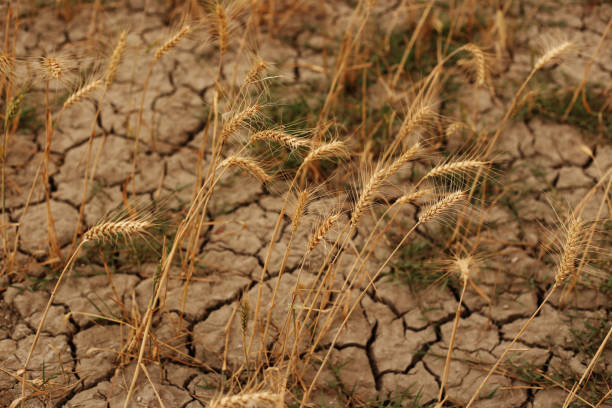
Unlike conventional insurance, which compensates policyholders based on actual damages and lengthy assessments, parametric insurance issues payouts immediately when pre-set climate triggers are met.
For instance, if rainfall crosses a defined level, or if temperatures exceed 40°C for a certain number of days, payments are made automatically — no inspection required.
This approach allows governments and households to respond faster to crises, reducing human suffering and helping communities rebuild more efficiently.
Former GIC Re chairman Ramaswamy Narayanan, who participated in the early talks before retiring last week, said the concept emerged in response to the growing frequency and intensity of climate disasters across India.
“We’ve seen the frequency and severity of adverse climate events go up, and based on that, this discussion with the government started,” Narayanan explained.
A First-of-Its-Kind National Programme
If India moves forward with the climate-linked insurance scheme, it will become one of the world’s first large economies to adopt such a model at a national scale.
The initiative would support the government’s broader disaster management strategy, which currently relies on taxpayer-funded relief to assist states after extreme weather events. Under this new proposal, insurers would take on a portion of the financial risk — helping the federal government rein in costs while ensuring faster assistance to citizens.
Officials from the National Disaster Management Authority, the Ministry of Finance, and the state-owned GIC Re are leading the exploratory phase. Though no formal proposal has been tabled yet, multiple insiders confirmed that discussions are actively progressing.
Why India Needs Climate-Linked Coverage
India is the sixth most climate-vulnerable country in the world, according to the Germanwatch Global Climate Risk Index 2025, which analyzed data between 1993 and 2022.
During this 30-year span, the nation endured over 400 extreme weather events, resulting in at least 80,000 deaths and economic losses exceeding $180 billion.
From devastating floods in Assam and Punjab to destructive landslides in Uttarakhand and Jammu & Kashmir, the need for a resilient and rapid-response insurance system has never been clearer.
By adopting a climate-linked insurance model, India aims to safeguard vulnerable communities while ensuring fiscal responsibility at the national level.
Global Context: Parametric Insurance on the Rise
The concept of parametric climate insurance is gaining global traction. In 2023, Fiji became the first Pacific Island nation to adopt a sovereign parametric insurance policy to protect against tropical cyclones.
International financial institutions and environmental organizations are increasingly advocating for such instruments as part of a broader climate resilience strategy — a topic expected to feature prominently at the upcoming COP30 Summit in Brazil this November.
India’s Potential Financing Models
According to government officials, the Indian federal government is exploring various financing options to sustain the insurance premiums. These include:
- Utilizing existing disaster relief funds
- Introducing small levies on household utility bills
- Creating public-private partnerships with leading insurance firms
“If it aligns with the rules of urban local bodies, tiny deductions from utility bills could be considered,” a government source told Reuters. “A consortium of insurers could then enter into contracts with municipal corporations.”
This structure would allow the programme to be both scalable and self-sustaining without overburdening the government budget.

State-Level Pilot Programs Already Underway
While federal discussions continue, several Indian states have already begun experimenting with climate-linked and parametric insurance models — yielding promising results.
- Rajasthan, Gujarat, and Maharashtra: In 2024, a group of 50,000 self-employed women received $5 payouts when temperatures exceeded 40°C between May 18 and May 25.
- Nagaland: Became the first state to receive disaster risk coverage from SBI General Insurance. Earlier this year, it received a $119,000 payout after excessive rainfall.
- Kerala: The state’s co-operative milk federation introduced a parametric insurance plan to protect dairy farmers against productivity losses during heatwaves.
A senior private insurance executive told Reuters, “States are looking at a window for medium-term implementation. These conversations are gathering pace, and every insurance company is attentive to opportunities.”
Lessons from Global Models
Parametric insurance has proven successful in regions prone to climate disasters. For example:
- The African Risk Capacity (ARC), launched by the African Union, provides quick payouts to member states following droughts and floods.
- Caribbean Catastrophe Risk Insurance Facility (CCRIF) offers similar coverage for hurricanes and earthquakes.
India’s potential adoption of a nationwide version would be a major leap — not just for the country, but for the developing world — in adapting financial tools to climate realities.
Building Climate Resilience Through Financial Innovation
If realized, the India climate-linked insurance programme could set a precedent for other nations struggling with climate volatility. By using data-driven triggers — such as rainfall or temperature levels — and automated systems, India can deliver immediate relief where it’s needed most.
The concept also aligns with India’s commitment under the Paris Agreement and ongoing UN climate finance dialogues, emphasizing sustainable solutions that combine financial innovation with social protection.
“Every year, we see devastating floods, crop losses, and infrastructure damage,” said a policy expert familiar with the proposal. “A nationwide parametric scheme ensures communities can recover quickly without waiting months for assessments.”
What’s Next for the Proposal
Though still in early stages, officials hope to finalize a preliminary framework before COP30, where India plans to showcase its progress in climate adaptation strategies.
Should the plan succeed, it would represent one of the most comprehensive climate insurance systems in the world — bridging the gap between sustainability goals and practical disaster response.
By shifting from reactive relief spending to proactive risk management, India’s climate-linked insurance could redefine how the country — and potentially the world — tackles the financial fallout of climate change.
Source:
Reuters – Exclusive: India considers introducing nationwide climate-linked insurance scheme
,