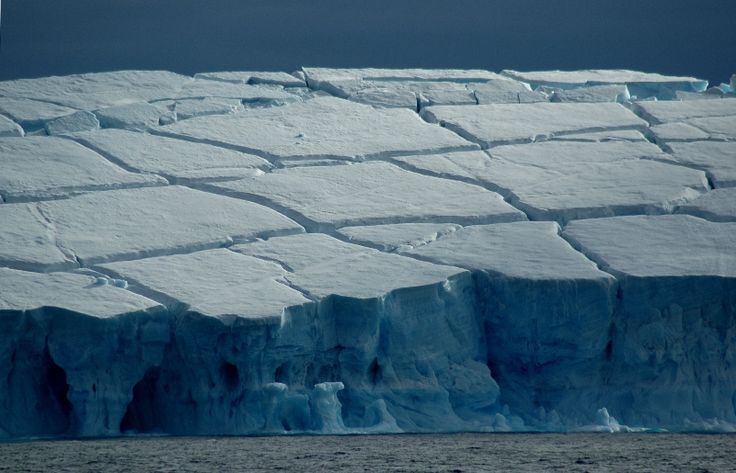
The massive iceberg climate risk has become a new symbol of the unpredictable and accelerating impacts of climate change, after scientists warned that a giant iceberg drifting in Antarctic waters caused devastating consequences for emperor penguin colonies.
Researchers studying Antarctica say the iceberg blocked access to feeding grounds, triggering widespread breeding failure among emperor penguins and highlighting how climate change can produce unexpected environmental disasters beyond rising temperatures and melting ice alone.
The findings have renewed global concern over how rapidly changing polar conditions are affecting wildlife, ecosystems, and the stability of Earth’s climate systems.
How the Massive Iceberg Disrupted Penguin Colonies
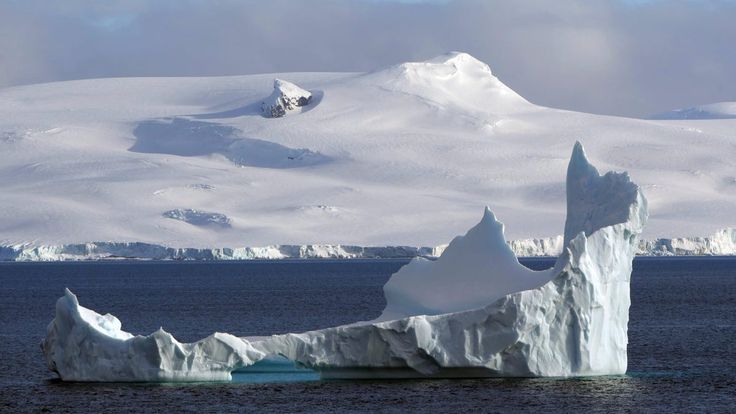
The iceberg, which broke off from Antarctica’s ice shelf and drifted into critical breeding regions, acted as a physical barrier between penguin colonies and open ocean waters where they forage for food. Adult penguins were forced to travel much greater distances across unstable sea ice to reach feeding areas.
Scientists observed that many chicks died before reaching independence, as parents were unable to return with enough food in time. Entire colonies were left without surviving offspring during the breeding season.
Researchers described the event as a stark example of how massive iceberg climate risk can reshape ecosystems almost instantly, without warning, and with devastating biological consequences.
Why Climate Change Makes Iceberg Events More Dangerous
Icebergs are a natural part of polar environments, but climate scientists say warming temperatures are increasing both the frequency and impact of such events.
As ice shelves thin and fracture due to warming ocean waters, larger icebergs are breaking away more often. At the same time, changing sea ice conditions reduce wildlife resilience, making species like emperor penguins more vulnerable when sudden disruptions occur.
Scientists warn that climate change is not only about gradual warming but also about system shocks — sudden events that overwhelm ecosystems already under stress.

Emperor Penguins Under Growing Threat
Emperor penguins are uniquely adapted to extreme Antarctic conditions, but researchers say their survival depends on a delicate balance of stable sea ice, predictable food access, and seasonal timing.
The iceberg event disrupted that balance entirely.
Previous studies have already shown that emperor penguin populations are declining due to shrinking sea ice linked to global warming. The latest findings suggest that even single large-scale events, like this iceberg disruption, could accelerate population collapse in some regions.
Experts warn that continued warming could make similar disasters more common, pushing emperor penguins closer to extinction in the wild.
A Warning Sign for Global Biodiversity
Scientists say the massive iceberg climate risk is not an isolated incident but a warning sign for global biodiversity. Sudden environmental disruptions linked to climate change are increasingly affecting species across the planet, from coral reefs to rainforests.
What makes iceberg-driven disasters especially alarming is their unpredictability. Unlike gradual warming trends, these events can wipe out breeding seasons in a single year, leaving little time for species to adapt.
Environmental researchers stress that climate models must increasingly account for these cascading risks, not just long-term averages.
Climate Change and the Domino Effect
The iceberg’s impact highlights how climate change creates domino effects within ecosystems. A single physical change — an iceberg blocking access — triggered food shortages, reproductive failure, and population decline.
Scientists warn similar chain reactions could occur elsewhere:
- Melting glaciers altering river systems
- Extreme storms destroying coastal habitats
- Heatwaves collapsing marine food chains
These compounding effects make climate change far more dangerous than previously understood.
Why Scientists Say This Changes the Climate Conversation
Researchers involved in the study say the event challenges assumptions that wildlife decline will always be gradual. Instead, climate change is increasingly producing abrupt ecological shocks.
The iceberg disaster underscores the urgency of reducing global emissions while also improving monitoring systems in vulnerable regions like Antarctica. Scientists argue that better satellite tracking and early-warning systems could help predict future risks, though prevention remains limited without addressing climate change itself.
What This Means for the Future
The long-term consequences of the iceberg disruption remain uncertain, but scientists fear repeated events could permanently destabilize Antarctic ecosystems.
If emperor penguin colonies fail to recover, it could signal broader ecological collapse in the region, with knock-on effects for marine biodiversity and global climate regulation.
The incident has reinforced calls from environmental groups and researchers for stronger international climate action, emphasizing that climate change impacts are no longer theoretical or distant — they are happening now, in real time.
This report on the massive iceberg climate risk is part of ongoing environmental coverage by FFRNEWS Environment, where readers can follow climate science updates, biodiversity threats, and conservation efforts worldwide. External reporting and scientific findings on this issue were originally highlighted by international environmental researchers and climate scientists(Earth), drawing attention to the link between iceberg activity, climate change, and wildlife collapse in Antarctica.