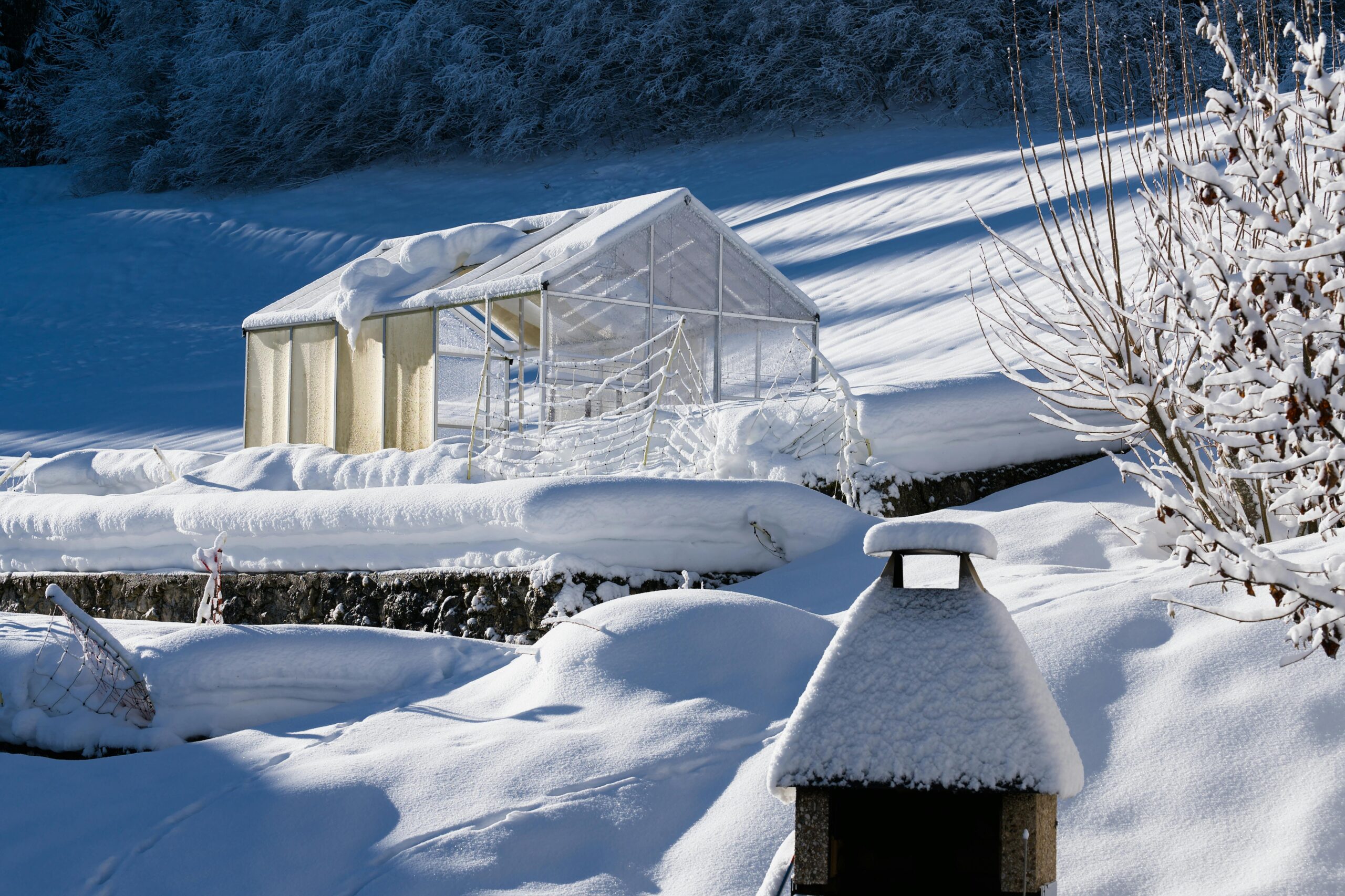
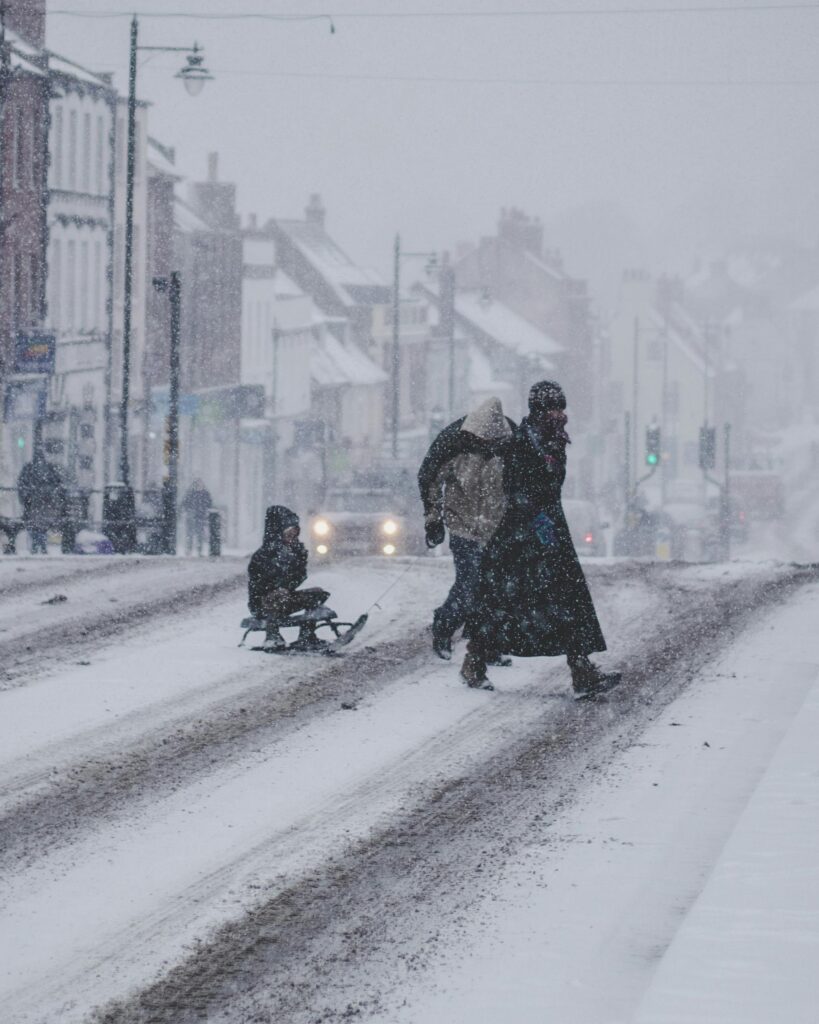
Northeast US snowfall climate change discussions have intensified after unusually heavy snow blanketed Philadelphia and large parts of the northeastern United States, prompting scientists to examine how shifting climate patterns are contributing to extreme winter weather in regions not historically accustomed to such intensity.
Over recent weeks, residents across Pennsylvania, New Jersey, New York, and surrounding states have experienced repeated snowstorms, record-low temperatures, and prolonged cold spells. Climate researchers say these conditions are not random anomalies but are increasingly linked to changes in atmospheric circulation driven by global warming.
While climate change is often associated with rising temperatures, experts stress that warming can paradoxically fuel harsher winter weather events under certain conditions.
Scientists Point to Jet Stream Disruptions
Climate scientists studying the recent snowfall say one of the key drivers is disruption to the polar jet stream — a fast-moving band of air that typically keeps Arctic cold contained near the North Pole.
As the Arctic warms at a faster rate than the rest of the planet, a phenomenon known as Arctic amplification weakens the temperature difference between the polar region and mid-latitudes. This weakening causes the jet stream to slow, wobble, and dip farther south than usual.
When these deep southward dips occur, cold Arctic air can spill into the northeastern United States, setting the stage for intense snowstorms when combined with moisture from the Atlantic Ocean.
Researchers note that these altered jet stream patterns are becoming more frequent and persistent, leading to longer-lasting winter extremes.
Why Snowfall Can Increase in a Warming Climate
One of the most common misconceptions about climate change is that it should eliminate snow altogether. Scientists emphasize that warmer air holds more moisture, which can actually increase snowfall when temperatures remain below freezing.
In the case of the Northeast, slightly warmer ocean temperatures provide more atmospheric moisture. When cold air masses move into the region, that moisture falls as heavy snow rather than rain.
This dynamic explains why some regions are seeing fewer snow days overall, but more intense snow events when they do occur.
Philadelphia’s recent snowfall totals, according to climatologists, fit this emerging pattern of fewer but stronger winter storms.
Infrastructure and Public Safety Concerns
The surge in heavy snowfall has strained infrastructure across the region. Transportation systems have faced widespread delays, road conditions have deteriorated rapidly, and municipalities have struggled with snow removal costs.
Emergency services have reported increases in weather-related accidents, while power outages caused by ice accumulation and downed lines have affected thousands of residents.
City planners and climate experts warn that infrastructure designed around historical weather patterns may no longer be sufficient. Roads, drainage systems, and power grids are increasingly vulnerable to rapid weather swings that alternate between deep freezes and sudden thaws.
Local governments are now being urged to incorporate climate projections into winter preparedness planning.
Economic Impact of Extreme Winter Weather
Beyond safety concerns, the economic toll of extreme winter weather is growing. Businesses across the Northeast have experienced closures, supply chain delays, and workforce disruptions due to hazardous conditions.
Retail activity has slowed during peak snowfall periods, while logistics companies face higher operational costs. Municipal budgets are also under pressure as snow removal, road treatment, and emergency response expenses rise.
Economists caution that repeated extreme weather events can have long-term economic consequences, particularly for small businesses and low-income communities with limited resources to adapt.
Climate Trends Show Long-Term Shifts
Long-term climate data shows that while average winter temperatures in the Northeast have risen over the past several decades, variability has increased significantly.
Scientists point out that climate change does not eliminate cold weather but reshapes how and when it occurs. Sudden cold snaps, heavy snowfall bursts, and rapid temperature reversals are becoming more common.
These trends align with global observations showing increased weather volatility across multiple regions, including heatwaves, floods, droughts, and extreme storms.
Researchers stress that the Northeast’s winter extremes are part of a broader global pattern rather than isolated regional events.
What Experts Say Comes Next
Climate scientists warn that without significant reductions in greenhouse gas emissions, disruptions to atmospheric circulation are likely to intensify.
Future winters in the Northeast may feature sharper contrasts — periods of mild weather punctuated by severe cold and snow. This unpredictability poses challenges for forecasting, emergency preparedness, and long-term planning.
Experts emphasize the need for improved climate modeling, resilient infrastructure investment, and public awareness to adapt to a changing climate reality.
While individual snowstorms cannot be attributed solely to climate change, scientists agree that global warming is increasing the likelihood and severity of extreme winter events.
Public Awareness and Policy Response
The recent snowfall has renewed calls for stronger climate policies at local, state, and federal levels. Environmental groups argue that visible weather extremes are making climate risks more tangible for the public.
Policy discussions increasingly focus on climate adaptation alongside emissions reduction, recognizing that some impacts are already unavoidable.
Education campaigns, infrastructure upgrades, and coordinated emergency planning are viewed as essential steps in protecting communities from future weather extremes.
A Changing Winter Reality
The Northeast’s recent snowfall serves as a reminder that climate change does not follow simple or linear patterns. Instead, it reshapes weather systems in complex ways that can produce surprising and severe outcomes.
Scientists caution that understanding these changes is critical for preparing communities, protecting lives, and building resilience in the face of an increasingly unstable climate system.
This report is part of FFRNEWS Environment coverage, tracking climate trends, weather extremes, and environmental research worldwide. Details in this article are based on reporting and analysis from climate scientists and meteorological experts, including coverage by BBC News, The Guardian, and regional climate research organizations examining jet stream behavior and winter weather patterns in the northeastern United States.