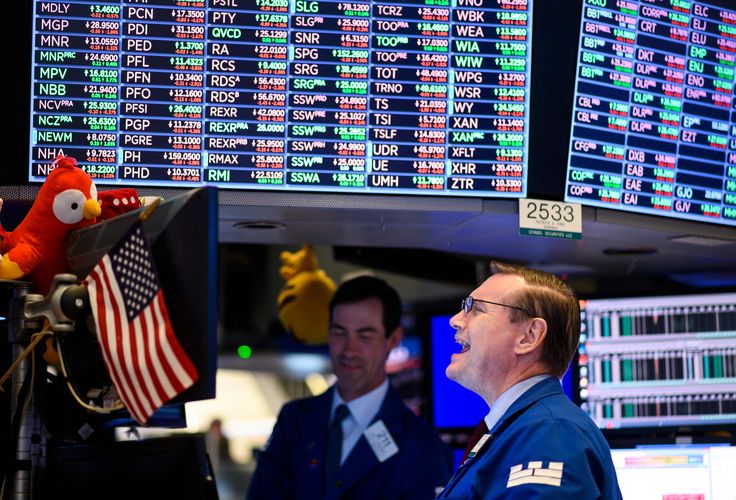
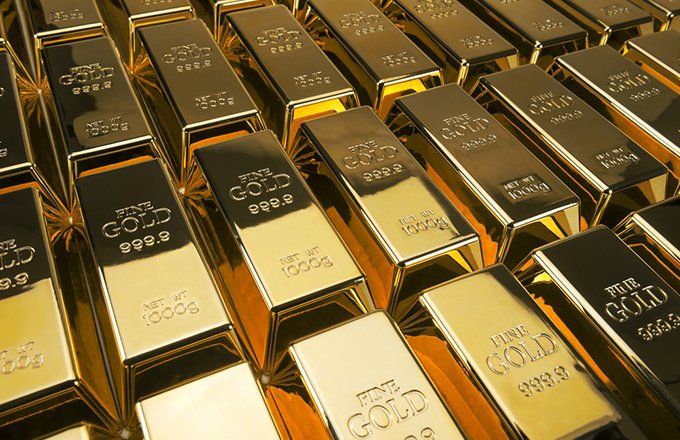
Gold markets rebound 2026, drawing attention from investors and financial analysts worldwide as prices stabilized after a recent dip. The precious metal climbed back above critical support levels, fueled by anticipation of the upcoming Federal Reserve minutes and ongoing scrutiny of global economic conditions. Market participants are evaluating multiple factors — including interest rate expectations, inflation data, and geopolitical developments — that could influence gold’s performance in the near term.
Gold has traditionally been seen as a safe-haven asset, attracting demand during periods of economic uncertainty. In early 2026, after a brief period of declining prices, the rebound in gold reflects investor caution amid mixed economic signals. Analysts note that central bank policies, particularly those of the U.S. Federal Reserve, are key drivers of gold market sentiment.
Federal Reserve Minutes Influence Gold Prices
Investors are closely watching the Federal Reserve minutes to gauge the future direction of U.S. monetary policy. Any signals regarding interest rates, inflation targets, or quantitative easing measures can significantly impact gold prices. Historically, lower interest rates tend to make gold more attractive as an investment because it carries no yield, whereas higher rates increase the opportunity cost of holding gold.
The recent stabilization of gold comes as investors anticipate nuanced guidance from the Fed. Market watchers expect the minutes to offer insights on the central bank’s approach to balancing economic growth with inflationary pressures. Should the Fed indicate a cautious stance or continued accommodative measures, gold could see further gains. Conversely, signals of aggressive tightening could limit upside potential.

Global Economic Conditions Supporting Gold
The rebound in gold markets 2026 is not solely dependent on U.S. monetary policy. Global economic conditions, including uncertainties in emerging markets, geopolitical tensions, and trade disruptions, continue to drive safe-haven demand.
Investors often turn to gold when equity and bond markets exhibit volatility or when currency fluctuations create instability. The current environment, characterized by moderate growth forecasts alongside inflationary concerns, provides fertile ground for gold’s resurgence. Analysts highlight that even modest geopolitical events or policy announcements in key markets can amplify demand for precious metals.
Investor Behavior and Market Sentiment
Market sentiment plays a crucial role in the gold markets rebound 2026 story. Investors are diversifying portfolios to hedge against uncertainty, with gold emerging as a preferred choice due to its liquidity and intrinsic value. Exchange-traded funds (ETFs), physical gold purchases, and futures contracts have all shown increased activity in recent weeks.
Behavioral trends also indicate that retail investors are returning to gold, motivated by historical patterns during periods of monetary policy uncertainty. Analysts suggest that this surge in activity could sustain gold’s upward trajectory if economic indicators remain mixed.
Technical Analysis: Key Levels and Trends
From a technical perspective, gold prices have found support at recent lows, and the rebound has pushed the metal above several critical resistance levels. Chart patterns suggest that a consolidation phase may continue, with investors closely watching breakout points that could signal further bullish momentum.
Moving averages, RSI, and other technical indicators are signaling moderate strength, supporting the narrative that gold’s recovery could persist in the short term. Traders are likely to use these indicators in conjunction with fundamental analysis to time entries and exits effectively.
Geopolitical Risks and Safe-Haven Demand
Geopolitical risks continue to bolster gold demand, reinforcing its status as a safe-haven asset. Tensions in various regions, including trade disputes, energy market disruptions, and political instability, contribute to investor caution.
The rebound in gold markets 2026 reflects this dynamic, as investors seek stability amid unpredictable global developments. Analysts caution that even minor geopolitical events can trigger volatility in gold prices, underscoring the metal’s role as a financial security measure.
Long-Term Outlook for Gold
While short-term price movements remain sensitive to central bank policies and investor sentiment, the long-term outlook for gold remains positive. Structural factors, including limited supply, ongoing economic uncertainty, and rising global wealth, support sustained demand.
The gold markets rebound 2026 may mark the beginning of a longer-term trend as investors balance growth expectations with safe-haven considerations. Financial advisors continue to recommend incorporating gold into diversified portfolios to hedge against inflation and market volatility.
Conclusion
The gold markets rebound 2026 highlights the continued relevance of precious metals in global finance. Stabilization after a recent decline, driven by Federal Reserve anticipation, global economic conditions, and safe-haven demand, underscores gold’s enduring appeal.
Investors are likely to maintain strong interest in gold in the coming months as economic data, monetary policy guidance, and geopolitical developments unfold. For both short-term traders and long-term investors, gold remains a critical asset amid the uncertainties of 2026.
For more finance and investment news, visit FFR News Finance for External reporting on the gold markets rebound 2026 is supported by Bloomberg and leading financial analysis platforms covering commodities and precious metals.