
How will the West use Russia’s frozen assets — that is the pressing question shaping international financial and political debates more than three years after Moscow’s invasion of Ukraine. When Western nations froze around $300 billion of Russia’s central bank reserves in 2022, it was an unprecedented act of financial warfare. Now, the focus has shifted: can those frozen billions be transformed into direct support for Ukraine’s survival, defence, and future reconstruction?
What sounds simple in principle — making Russia pay for its war — is deeply complex in practice. Legal frameworks, geopolitical risks, and the need for Western unity all shape the options on the table.
When Western countries imposed sweeping sanctions on Russia after its 2022 invasion of Ukraine, one of the boldest moves was the immobilisation of about $300 billion in Russian central bank reserves. These funds, sitting in financial institutions across Europe, North America, and Asia, became a powerful symbol of Moscow’s international isolation.
Now, more than three years later, the debate has shifted. Instead of merely freezing these assets, Western leaders are discussing how they might be used to finance Ukraine’s defence, humanitarian needs, and long-term reconstruction. But turning frozen wealth into usable resources is far more complicated than it sounds.
What exactly are Russia’s frozen assets?
Russia’s central bank held vast reserves overseas before the invasion, meant to stabilise its economy and currency. Once sanctions were triggered in 2022, those funds were blocked.
- Total value: Around $300 billion
- Where they are: About two-thirds in the European Union, mainly through the Belgian-based clearing house Euroclear; the rest is split between the US, UK, Japan, and Canada
- Status: Frozen, but not confiscated — Russia still technically owns them
Interestingly, these immobilised funds continue to generate interest income. Euroclear alone has been earning billions from reinvesting Russia’s blocked assets, sparking debate over whether that income could legally and fairly be redirected to Ukraine.
Why does Ukraine need this money?
The cost of war has crippled Ukraine’s economy:
- Reconstruction needs: Estimated at over $500 billion by the World Bank
- Budget shortfalls: Ukraine requires billions annually just to cover state salaries, pensions, and social spending
- Defence spending: Billions more are needed for weapons, ammunition, and training
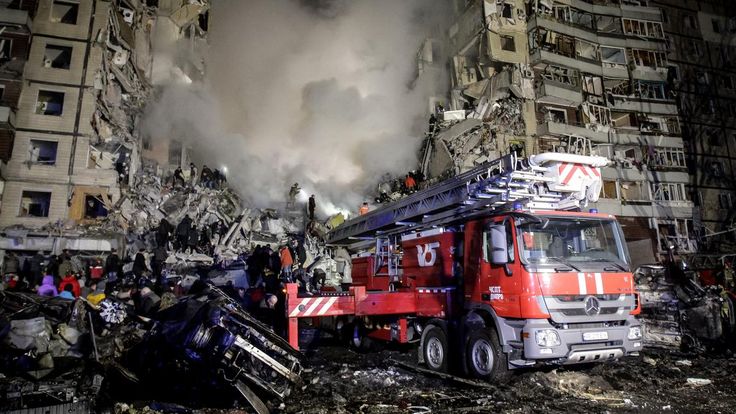
Western aid packages have kept Kyiv afloat, but donor fatigue is growing. Redirecting Russia’s frozen assets — especially if it can be done without taxpayers footing the bill — is seen as a potential game-changer.
The EU’s approach: interest profits first
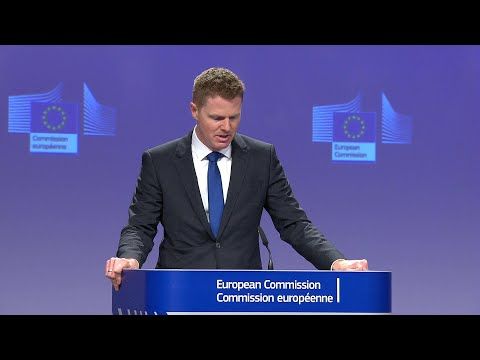
The European Union has taken the lead in exploring legal avenues. Its current plan focuses on using windfall profits generated by the frozen funds, rather than seizing the assets themselves.
- How it works: Euroclear reinvests the assets and earns billions in interest. Those profits are taxable.
- EU decision: A new mechanism directs the bulk of those profits to Ukraine’s reconstruction.
- Scale: The scheme could yield €3–5 billion annually, depending on interest rates and market conditions.
This cautious approach allows Europe to sidestep the thorniest legal issue: outright confiscation of sovereign assets, which international law strongly protects.
The US and allies: pushing for bolder measures
In Washington, London, and Ottawa, voices are louder in favour of using not just the profits but the frozen principal itself. Advocates argue that Russia should be forced to pay for the destruction it caused.
- US position: Congress has debated proposals to seize Russian state assets directly and transfer them to Ukraine.
- UK approach: London has expressed openness to confiscation, but legal experts warn of risks to property rights.
- Canada: Ottawa has already passed laws allowing seizure of Russian assets, though implementation remains limited.
Critics, however, say confiscation could set a dangerous precedent that undermines trust in the global financial system. Other countries may hesitate to hold reserves in dollars or euros if they fear political seizure in future conflicts.
Legal obstacles
International law presents one of the biggest hurdles. Sovereign immunity — the principle that a state’s assets cannot be arbitrarily seized — is deeply embedded in global norms.
- Frozen ≠ seized: Freezing restricts access but doesn’t transfer ownership.
- Confiscation risks: Directly handing over assets could trigger legal challenges in national and international courts.
- Precedent concerns: Other central banks may diversify away from Western currencies, weakening the dollar and euro.
To address this, some experts propose treating Russian assets as collateral until Moscow pays reparations under a future peace deal. Others suggest creating an international fund that borrows against frozen assets, using them as guarantees.
Geopolitical implications
Beyond law, the geopolitics are complex.
- Russia’s reaction: Moscow has condemned any moves to use its reserves as theft and warned of retaliation against Western investments inside Russia.
- Global South concerns: Many non-Western countries are wary, fearing the precedent could one day be applied against them.
- US-EU unity: Coordination is vital. If the EU only uses profits but the US seizes assets, it could expose divisions in the Western alliance.
Still, Western leaders see this as both a moral and strategic question: why should taxpayers bear the costs of Russia’s war while Moscow sits on hundreds of billions abroad?
Alternative ideas under discussion
Several proposals are circulating:
- Windfall profits only – Redirecting billions annually from interest income without touching the principal.
- Collateralisation – Using frozen assets as security for loans to Ukraine.
- Seizure and transfer – Direct confiscation of the $300 billion to fund Ukraine’s defence and rebuilding.
- Hybrid models – Combining profits now with gradual steps toward partial confiscation later.
Each option comes with trade-offs: legal safety versus financial impact, short-term aid versus long-term risks.
The road ahead
The EU is expected to finalise its mechanism on profits this year, with the first transfers to Ukraine possibly in 2025. The US debate is ongoing, with strong congressional backing but legal caution. Canada and the UK may experiment with confiscation on a smaller scale.
Ultimately, the frozen Russian assets represent more than money. They are a test of the West’s commitment to Ukraine, its respect for international law, and its ability to balance justice with financial stability.
The coming months will reveal whether these assets remain a symbolic gesture — or become the engine powering Ukraine’s survival and recovery.
Source: Reuters


Bruh why they goin to another level !!!!
jurgow