AI for Small Business Growth is rapidly reshaping how small and mid-sized enterprises compete and scale in an increasingly digital economy. Once the preserve of large corporations with big tech budgets, sophisticated artificial intelligence tools and autonomous agents are now accessible and affordable — enabling entrepreneurs to automate tasks such as lead generation, customer engagement, meeting summaries, and repetitive workflow processes without hiring extra staff.
Small businesses (SMBs) are increasingly adopting AI not just for customer-facing functions like chatbots, but across core operations including marketing automation, sales follow-up, analytics, and internal reporting. This shift is proving pivotal for businesses seeking increased productivity, improved efficiency, and competitive parity with larger firms.
AI Adoption Expands Across Business Functions
Recent studies show AI adoption among small businesses has moved far beyond experimentation. According to a 2026 Small Business AI Outlook Report, a majority of SMBs now use AI across customer service and marketing — with adoption spreading into product development, employee training, operations, and even finance and cybersecurity.
The report revealed that 62% of SMBs use AI for customer service and marketing tasks — from automated reply systems to AI-driven analytics — while more than 50% implement AI for product innovation and operations. Larger small businesses (50–249 employees) show higher rates of adoption across all functions compared to microbusinesses.
This broad uptake demonstrates how AI is no longer a niche tool but a foundational technology empowering smaller companies to operate at enterprise-like levels.
AI Agents Reduce Workload and Increase Productivity
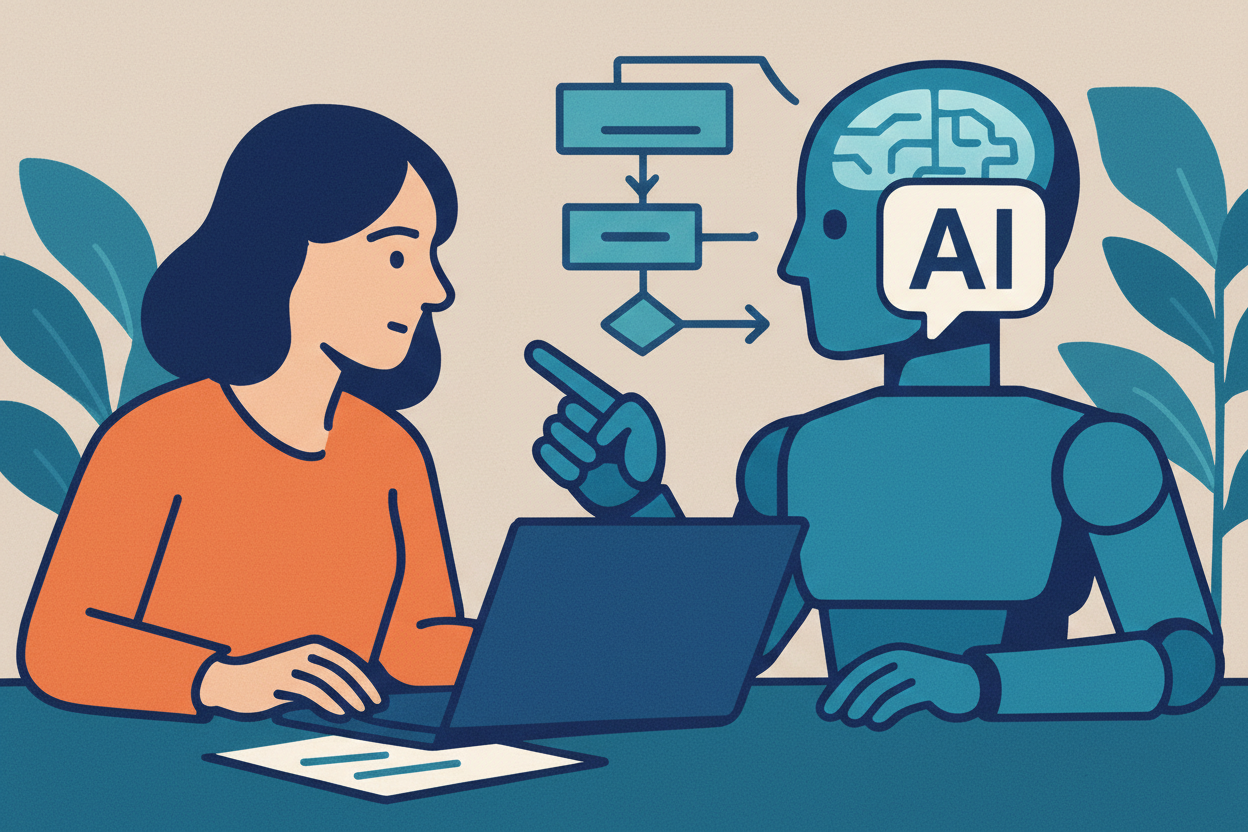
One of the most transformative aspects of AI for small business growth is the rise of AI agents — autonomous software systems capable of completing tasks with minimal human intervention. These include:
- Lead generation and prospecting: Autonomous agents can scour public databases, qualify leads, and even draft personalized outreach emails.
- Customer engagement and support: AI-powered chatbots and virtual assistants engage with customers around the clock, handling inquiries, booking appointments, and qualifying leads without human agents.
- Meeting summaries and workflow automation: AI tools integrated into productivity suites can automatically generate summaries of meetings and tasks, freeing owners and staff to focus on strategy rather than note-taking.
For example, platforms like Tidio combine AI chatbots with customer support and lead capture automation, allowing small businesses to manage support and engagement across websites, social platforms, and messaging services without a full support team.
Lower Barriers to Entry With No-Code Builders
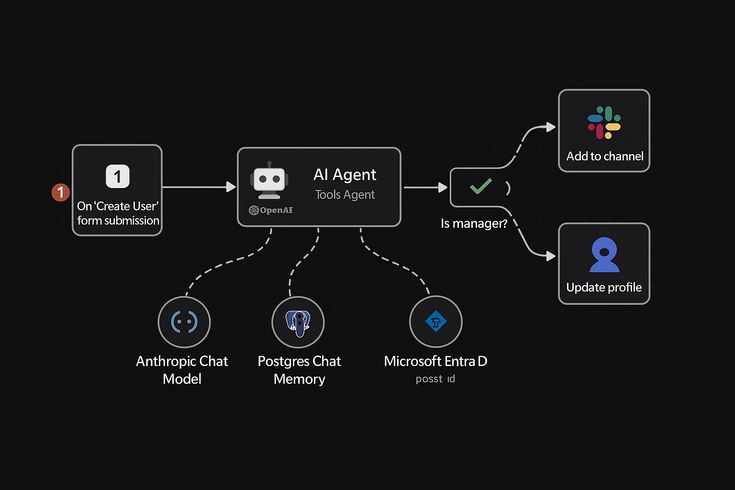
Crucially, many of the newest AI tools do not require coding skills, making them especially appealing to small business owners with limited technical expertise. No-code AI agents and automation builders allow users to design custom workflows, automated campaigns, and intelligent responses using drag-and-drop interfaces or simple configuration steps — drastically lowering the barrier to innovation.
This democratization of AI enables entrepreneurs to deploy advanced automation previously available only to organizations with dedicated software development teams.
Real-World Impact on SMB Operations
Small businesses that have adopted AI report measurable improvements in efficiency and operational performance:
- Time savings: With virtual AI “employees” handling repetitive tasks 24/7, SMBs are reallocating human effort toward strategic and creative work.
- Cost reduction: AI automation reduces the need for additional hires and streamlines workflows that would otherwise require multiple staff roles.
- Improved responsiveness: Customers receive faster support and more personalized engagement, leading to higher satisfaction and retention.
One industry blog noted how AI virtual employees are now executing over 100 daily tasks — from SEO content creation to competitor research — for small business clients, all at subscription prices that make automation affordable even for startups.
Challenges Remain for Uneven Adoption
Despite rapid growth, challenges persist. Small businesses with very limited technical literacy can struggle with adoption unless AI platforms prioritize ease of use and support. Additionally, questions remain around data privacy, integration with existing systems, and ensuring that AI tools are aligned with business goals and customer expectations.
While large enterprises have often invested heavily in in-house AI teams, SMBs rely on third-party platforms, meaning integration capability and reliable vendor support are critical.
AI Trends Shaping Small Business Innovation
Looking forward, experts say a few key trends will influence how AI for small business growth evolves:
- Hyperpersonalization: AI agents capable of tailoring communication and services at the individual customer level will increase conversion rates and brand loyalty.
- Integrated multichannel automation: Seamless integration across email, CRM, social media, and websites will become the norm, creating unified customer experiences.
- Enhanced analytics and forecasting: SMBs that adopt AI decision-support tools will gain richer insights into customer behavior, sales trends, and operational bottlenecks.
These developments suggest that AI is not just a productivity tool but a strategic driver of business growth and innovation.
This report is part of FFRNEWS Innovation coverage, tracking major shifts in business technology, AI adoption, and digital transformation across industries. Details in this article are based on current reports and industry data on how AI agents and automation tools are being integrated by small and mid-sized businesses.