
When the internet first surged into global prominence, so did a cadre of individuals and groups who rewrote the rules of digital access — for better, for worse, or somewhere in between. The most powerful hackers in history left marks on government systems, corporate networks, and the broader perception of cybersecurity’s limits. Their exploits changed the way we think about digital vulnerability, the ethics of hacking, and the future of cyber defense.
From the infamous Kevin Mitnick — once dubbed the most wanted hacker in the United States — to teenage hack prodigy Jonathan James, and from controversial figures like Adrian Lamo to credit card theft mastermind Albert Gonzalez, this group remains unforgettable. Even larger collective efforts like Lizard Squad demonstrate how organized cyberattacks evolved from lone intrusions to networked disruption.
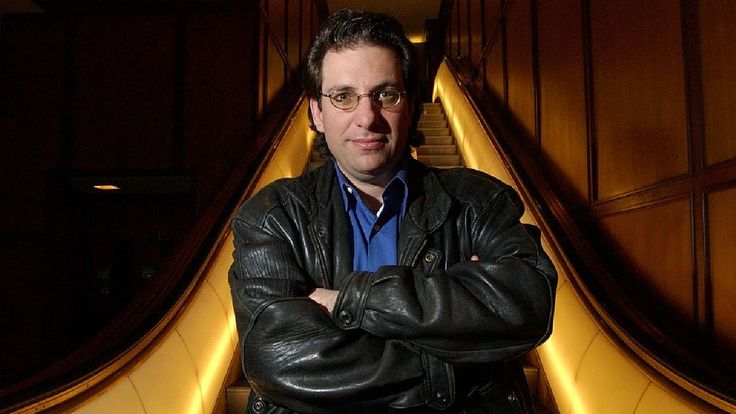
Kevin Mitnick: The Condor of the Digital World
Kevin David Mitnick is one of the most recognizable names in hacking history, earning notoriety in the late 1980s and 1990s for penetrating some of America’s most secure corporate and telecom systems. Mitnick began his hacking journey as a teenager, exploiting a phone system at the age of 16 and ultimately gaining access to Digital Equipment Corporation’s computers. His techniques — rooted in social engineering and exploiting human error as much as technical gaps — showcased how a determined hacker could bypass sophisticated safeguards.
After years as a fugitive, Mitnick was arrested in 1995 on charges including wire fraud, unauthorized access, and interception of communications. His capture followed a dramatic chase involving cloned phones, network infiltration, and extensive evasion tactics. He was sentenced to prison, serving around five years, and after his release, reinvented himself as a respected cybersecurity consultant and author, using his knowledge to help protect organizations from the very strategies he once employed.
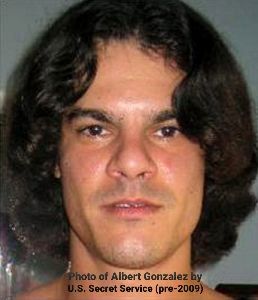
Albert Gonzalez: Architect of the Largest Credit Card Theft
Among the most powerful hackers in financial cybercrime history, Albert Gonzalez stands out for the sheer scale of his theft. As the leader of the underground group ShadowCrew, Gonzalez and his collaborators collected and sold stolen credit card and ATM information from hundreds of millions of accounts — at one point over 170 million, compromising networks including TJX Companies and Heartland Payment Systems.
By exploiting SQL injection techniques and injecting malicious code into payment systems, Gonzalez’s operation turned digital vulnerabilities into a massive fraud enterprise. His actions contributed to billions of dollars in global losses and forced corporations to reconsider how they secured consumer data. In 2010 Gonzalez was sentenced to 20 years in prison — one of the longest terms at the time for hacking-related crimes.
Jonathan James: Teen Hacker Behind NASA Breach
Jonathan Joseph James holds a unique place among the most powerful hackers in history due to his age and audacity. Known by the handle c0mrade, James became the first juvenile incarcerated for cybercrime in the United States after hacking into NASA and Department of Defense systems while only 15 years old.
James had access to sensitive source code used to control the life-supporting elements of the International Space Station, which he downloaded and exposed before authorities detected the breach. His actions caused a significant disruption and cost NASA tens of thousands of dollars in response efforts. Although sentenced to house arrest and probation initially, his hacking legacy continued to resonate throughout cybersecurity circles. Tragically, James died by suicide in 2008, an end that highlighted the pressures and consequences of early notoriety in hacking culture.
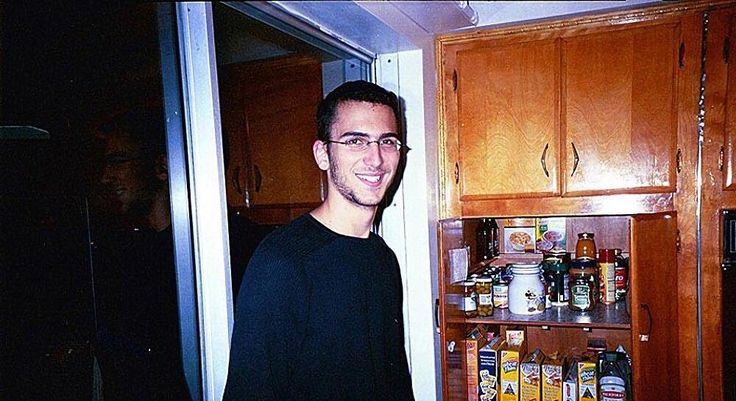
Adrian Lamo: The “Homeless Hacker” and Whistleblower Controversy
Adrian Lamo’s story sits at the intersection of hacking prowess and ethical ambiguity. Often called the “Homeless Hacker,” Lamo gained attention for infiltrating high-profile corporate networks including Microsoft, Yahoo, and The New York Times using public internet connections and nomadic tactics. His early intrusions highlighted major security flaws that companies could no longer ignore.
However, Lamo’s lasting public impact came from his role in reporting Army intelligence analyst Chelsea Manning to authorities in 2010 after obtaining information indicating Manning had leaked classified documents to WikiLeaks. That decision deeply divided the hacker community and raised questions about loyalty, ethics, and the responsibilities of those who possess the tools to expose or conceal sensitive information.
Unlike many hackers who remain in shadows or evade capture, Lamo faced legal consequences for his actions. Though described by some as a gray hat — a hacker who operates between ethical boundaries — his life and choices remain among the most debated in hacker lore.
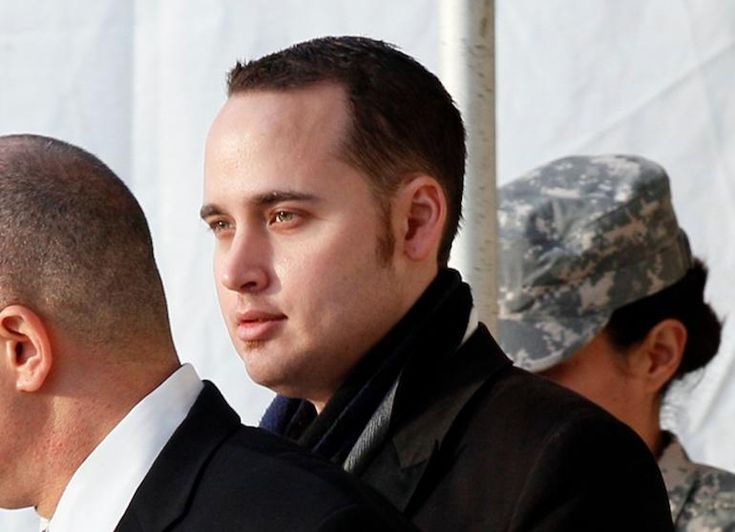
Gary McKinnon: The British Hacker Who Upset the Pentagon
In the early 2000s, Scotland’s Gary McKinnon gained infamy for what authorities described as the largest military computer hack of all time. Between 2001 and 2002, he infiltrated nearly 100 computer systems belonging to multiple US government agencies including NASA, the Department of Defense, and the Army, searching for evidence of UFOs and suppressed technologies.
McKinnon’s exploits revealed weaknesses in military cybersecurity and caused widespread concern among defense officials. Despite causing significant disruption — including alleged damage to network systems — he evaded extradition to the United States after a decade-long legal battle, with British courts blocking his transfer due to health concerns and legal considerations. His story illustrates both the technical boldness and geopolitical complexity that high-profile hacking cases can entail.
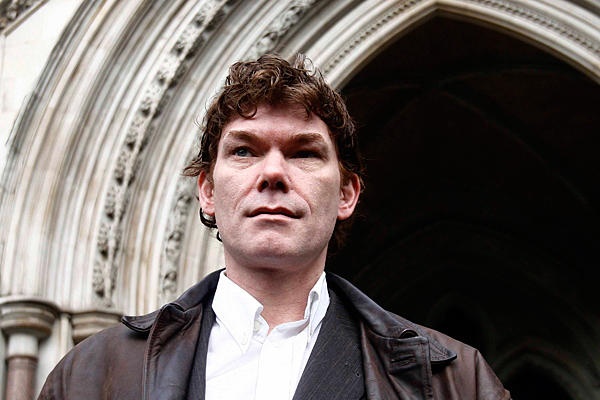
Lizard Squad: Organized Disruption and DDoS Mayhem
No list of most powerful hackers in history is complete without a look at hacktivist and black hat groups like Lizard Squad — an organization rather than an individual, but one whose impact on digital infrastructures was widely felt. Unlike solo hackers who infiltrated systems for notoriety or data theft, Lizard Squad focused on disruption, using distributed denial-of-service (DDoS) attacks to take down major online platforms.
Formed in 2014, Lizard Squad claimed responsibility for knocking offline gaming services including League of Legends, PlayStation Network, and Xbox Live, showing how coordinated botnets could paralyze high-profile networks. The group later offered DDoS-for-hire services and even claimed responsibility for outages in international regions, illustrating how cyberattacks had become commodified and accessible to would-be attackers.
Members of Lizard Squad, including teens and young adults, were eventually arrested and charged with various cybercrime offenses — from operating attack-for-hire sites to extortion and network intrusions. While their operations lacked the deep espionage of other hackers, their ability to exploit everyday vulnerabilities on a large scale made them a memorable force in the evolution of cyber threat groups.
Legacy and Impact on Cybersecurity
The exploits of these most powerful hackers in history — from individuals like Mitnick, McKinnon, Lamo, Gonzalez, and James to groups like Lizard Squad — have had lasting effects on how governments, corporations, and individuals perceive cybersecurity. Their actions pushed industries to tighten defenses, implement stronger encryption and authentication standards, and rethink how networks and data are protected.
Some of these hackers later aided the cybersecurity community by sharing insights into how breaches occur, while others remain cautionary tales about the consequences of unchecked digital exploration. What unites them is their undeniable influence on the development of modern cybersecurity awareness, policy, and practice.
This article is part of FFRNEWS Innovation coverage, drawing on profiles from global reporting and technology histories detailing the exploits and legacies of the most powerful hackers in history. Notable sources include historical hacker profiles of Kevin Mitnick, Albert Gonzalez, Adrian Lamo, Gary McKinnon, and Jonathan James, as well as descriptions of organized groups such as Lizard Squad that shaped the evolution of cyberattacks and security responses over the past several decades.

6x5cvp