Afghans rejoice as internet returns after Taliban blackout, marking the end of a 48-hour shutdown that paralyzed the country’s communications and deepened fears of further isolation under Taliban rule.
For two days, Afghanistan was almost completely cut off from the outside world. Flights were cancelled, international money transfers blocked, and daily life ground to a halt. The sudden loss of connectivity came without warning, sparking global condemnation from human rights groups and the United Nations.
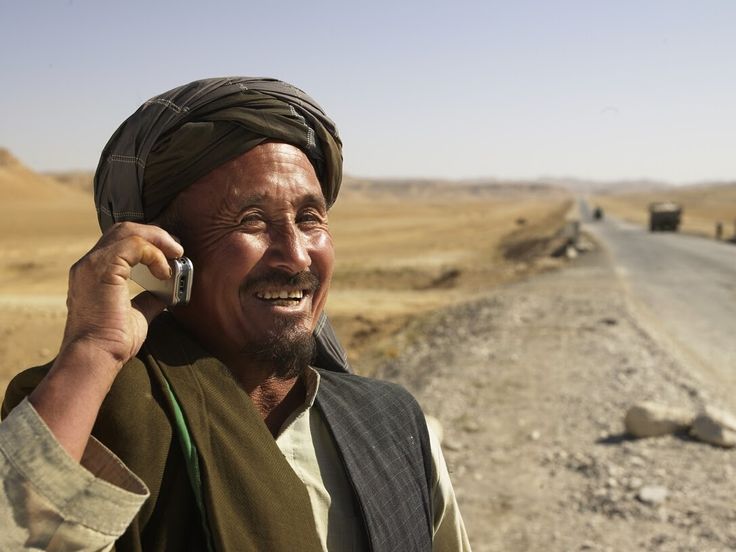
By Wednesday evening, however, the mood in Kabul had dramatically shifted. Crowds poured into the streets, celebrating the restoration of internet and telecom services with the kind of joy usually reserved for religious festivals. One Afghan resident described it as feeling like “Eid al-Adha,” with people rushing to call loved ones and reconnect after days of silence.
Streets of Kabul Alive With Celebration
Local reporters confirmed that services were gradually resuming across Kabul and other regions, while NetBlocks, an internet monitoring service, verified a “partial restoration” of connectivity.
Eyewitnesses described a city transformed. “Everyone is happy, holding their cell phones and talking to their relatives,” one man told BBC Afghan. “From women to men, even Talibs, each was talking on phones after services were restored. There are more crowds now in the city.”
For many, especially women whose lives have been increasingly restricted under Taliban rule, the return of internet access was more than a convenience — it was a vital lifeline. “When I spoke to my mum, I cried, I was happy,” said Mah, a 24-year-old Afghan student in the UK. “At least I can hear her voice.”
Why Did the Taliban Shut Down the Internet?
The Taliban government has yet to provide an official explanation for the blackout. However, previous statements from regional officials suggest it may have been linked to the regime’s stated aim of “preventing vices.”
In August, a spokesperson for the Taliban governor in Balkh province admitted that internet restrictions were being enforced to curb immoral behavior. Critics argue this fits into a broader campaign of censorship and control.
Since their return to power in 2021, the Taliban have steadily tightened restrictions, particularly on women and girls. Girls over the age of 12 have been banned from attending school, female authors’ books were recently purged from universities, and women’s employment opportunities have been severely limited.
For many Afghan women, the internet represented one of the last ways to access education, build careers remotely, and stay connected to the wider world. The blackout was therefore seen as yet another blow to their freedoms.
Impact of the Blackout on Daily Life
The effects of the 48-hour shutdown were felt across every sector of Afghan society.
- Economy Disrupted: Banks closed, shopping centers emptied, and the exchange market froze as international transfers were blocked. Families reliant on remittances from abroad were left stranded.
- Flights Cancelled: Travel agents shuttered their doors or operated in partial capacity. Airlines halted flights in and out of Kabul, leaving passengers stranded.
- Emergency Services Strained: Access to hospitals and urgent communications became increasingly difficult, raising fears for those in need of critical care.
- Psychological Toll: The silence deepened a sense of despair already pervasive in a country where millions face food insecurity, unemployment, and human rights restrictions.
One Kabul shopkeeper described it as “the gradual death,” saying: “When there is no hope, no chances of progress, no freedom of speech, no optimism for the future of your child, no stability for your business, where you can’t benefit from your studies…”
International Condemnation
The United Nations quickly condemned the blackout, warning that it risked “inflicting significant harm on the Afghan people, including by threatening economic stability and exacerbating one of the world’s worst humanitarian crises.”
Rights groups stressed that the internet is not merely a luxury but an essential service for education, business, healthcare, and maintaining basic freedoms. The shutdown was widely interpreted as part of the Taliban’s effort to consolidate control over Afghan society.
Suhail Shaheen, a senior Taliban spokesman based in Qatar, later confirmed that “all communications” were restored by Wednesday afternoon. The Taliban prime minister reportedly gave the order to bring services back online, though the reasons behind the sudden reversal remain unclear.
Voices of Relief and Resilience
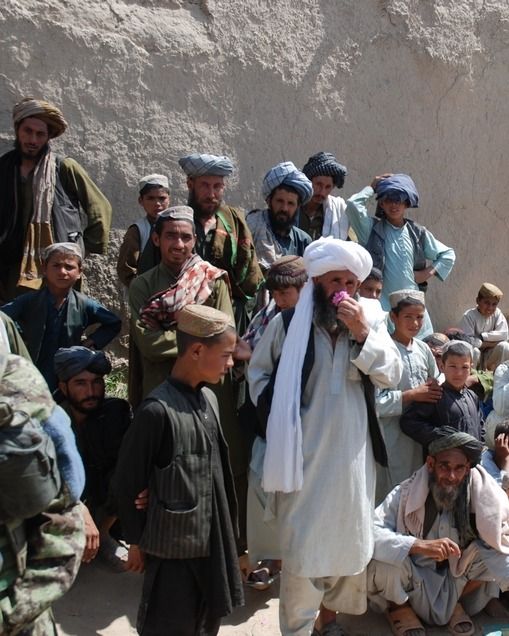
As services flickered back to life, Afghans wasted no time reconnecting with loved ones.
Delivery driver Sohrab Ahmadi compared the moment to a religious celebration: “It’s like Eid al-Adha; it’s like preparing to go for prayer. We are very happy from the bottom of our hearts.”
For the Afghan diaspora, the blackout had been especially harrowing. Many spent two days unsure whether their families were safe. BBC Afghan radio received desperate calls from abroad as exiled Afghans tried to relay messages to relatives back home.
Now, with internet access restored, relief is palpable — but so too is fear of future shutdowns.
Beyond the Celebration: What Comes Next?
The restoration of connectivity has been met with jubilation, but the episode underscores the fragility of basic freedoms in Afghanistan under Taliban rule. Analysts warn that the blackout may not be the last.
If the internet can be shut down on a whim, Afghans remain vulnerable to isolation at the very moment they most need access to education, markets, and the outside world. The celebration in Kabul may fade, but the underlying reality remains: digital access is now a frontline in Afghanistan’s struggle for survival and dignity.
Source: BBC News