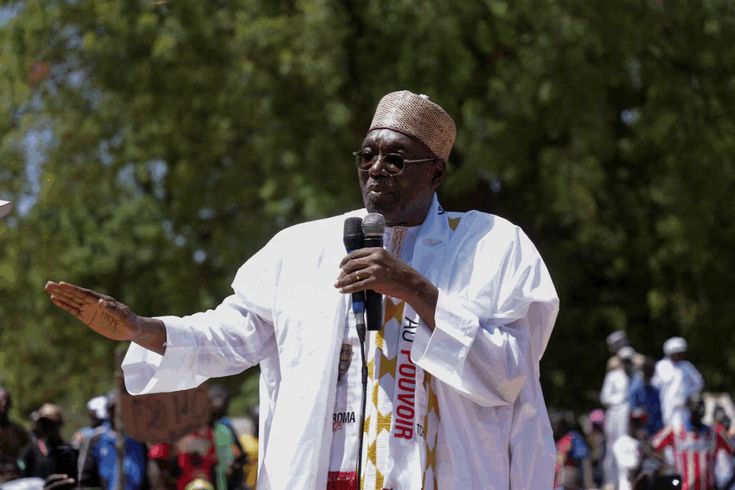
Cameroon opposition crisis continues to escalate as Issa Tchiroma Bakary, the leading opposition figure challenging Paul Biya’s decades-long rule, has fled to The Gambia seeking safety after a fiercely disputed election that triggered nationwide unrest. The dramatic move highlights growing instability in Cameroon and raises urgent questions about the future of political freedoms, regional diplomacy, and democratic accountability in Central Africa.
A Dangerous Post-Election Landscape in Cameroon
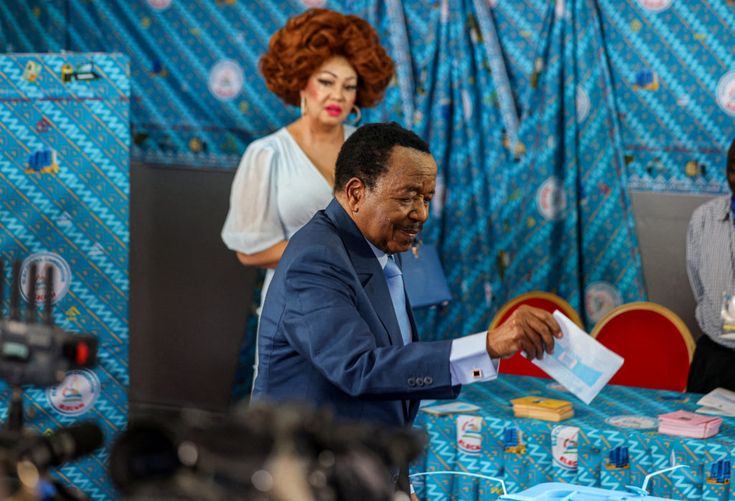
The 2025 presidential election in Cameroon has become one of the most contentious in the country’s history. Official results declared 92-year-old Paul Biya the winner with 53.7 percent of the vote, extending his already 43-year tenure in power. Issa Tchiroma Bakary, who secured 35.2 percent of the vote, rejected the outcome, calling it electoral theft and a constitutional coup.
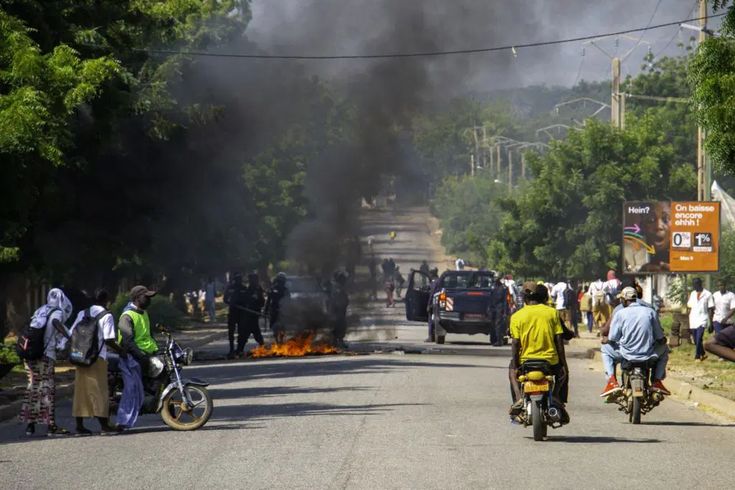
The aftermath was explosive. Protests erupted across major cities, leading to violent clashes between demonstrators and security forces. While the government reported at least five deaths, opposition groups and independent observers insist the true toll is significantly higher.
The crisis intensified when Tchiroma publicly urged citizens to engage in “dead city” protests — strategic shutdowns of shops, transport, and economic activity to pressure the government. Authorities responded by announcing plans to initiate legal action against him for “inciting insurrection,” escalating the risks to opposition leadership.
Why Issa Tchiroma Fled to The Gambia
Facing escalating threats, Tchiroma left Cameroon and crossed into The Gambia, which has confirmed it is hosting him temporarily on humanitarian grounds. The Gambian government emphasized that it aims to facilitate peaceful and diplomatic resolution efforts alongside regional partners such as Nigeria.
The decision to provide sanctuary to a political opponent from Cameroon is deeply significant. It echoes past instances when East or West African nations stepped in to protect opposition figures fearing persecution, reinforcing The Gambia’s evolving role in West African diplomacy.
A Country Under One Man’s Control
At the center of the turmoil stands President Paul Biya, Africa’s longest-serving leader and the world’s oldest head of state. Since assuming power in 1982, Biya has systematically expanded his authority — most notably through the 2008 constitutional amendment abolishing presidential term limits.
His rule has often been characterized by:
- Restrictions on political freedoms
- Harsh crackdowns on opposition mobilization
- Consolidation of executive power
- Centralized control over election bodies
Tchiroma’s strong challenge in the 2025 election was one of the most serious threats Biya has faced in years, making the government’s response even more forceful.
Regional Ramifications and Diplomatic Stakes
The Cameroon opposition crisis is now drawing heightened attention across West and Central Africa. Several regional powers — including Nigeria, Senegal, and ECOWAS partners — fear that Cameroon’s instability could trigger broader political and economic ripple effects.
Key regional concerns include:
1. Spillover of Civil Unrest
With Cameroon already struggling with conflict in the Anglophone regions, fresh political turmoil risks exacerbating displacement, insecurity, and border instability.
2. Diplomatic Strains Between Central and West African Governments
The Gambia’s decision to host Tchiroma could create diplomatic friction with Yaoundé, especially if Cameroon insists on extradition or further legal action.
3. Pressure for Democratization
Regional leaders may attempt to coax Biya into reforms, though his long history of resisting pressure suggests limited likelihood.
Why This Election Hit a Breaking Point
Several factors made the 2025 electoral cycle particularly explosive:
Growing Youth Dissatisfaction
With over 70% of Cameroon’s population under 30, frustration has skyrocketed over unemployment, corruption, and lack of political renewal.
Lack of Transparency in Vote Counting
Opposition parties and civil society reported irregularities at polling stations, restricted observers, and sudden shifts in reported numbers.
Rising Confidence Among Opposition Leadership
Tchiroma’s growing popularity, especially among urban youth, signaled that Cameroon’s political landscape is changing, regardless of the official result.
What Happens Next for Tchiroma and Cameroon
The future is highly uncertain — but several scenarios are emerging:
Scenario 1: International Mediation Pushes Reforms
If regional governments pressure Biya’s administration, Cameroon could see negotiations for electoral transparency, protest amnesty, or limited institutional reforms.
Scenario 2: Hardline Crackdown Continues
Given Biya’s historical approach, Cameroon may intensify arrests, restrict opposition activity, and silence dissent.
Scenario 3: Exiled Opposition Gains Influence
Tchiroma may build a political movement from abroad, similar to how other African opposition figures have mobilized international support.
Scenario 4: Constitutional or Succession Crisis Emerges
At 92 years old, Biya’s health remains a major unspoken variable that could abruptly reshape Cameroon’s political landscape.
End of an Empire, Beginning of an Uncertain Future
The Cameroon opposition crisis is more than a disputed election — it is a pivotal moment in the nation’s political history. Issa Tchiroma Bakary’s flight to The Gambia symbolizes the deep fractures within Cameroon’s political system, the rising frustration of its citizens, and the growing involvement of regional actors.
Whether Cameroon moves toward reform or deeper repression will determine not only the fate of Issa Tchiroma but the stability of an entire region.
This report is based on information originally published by Al Jazeera, with additional analysis and context provided by FFR News.