
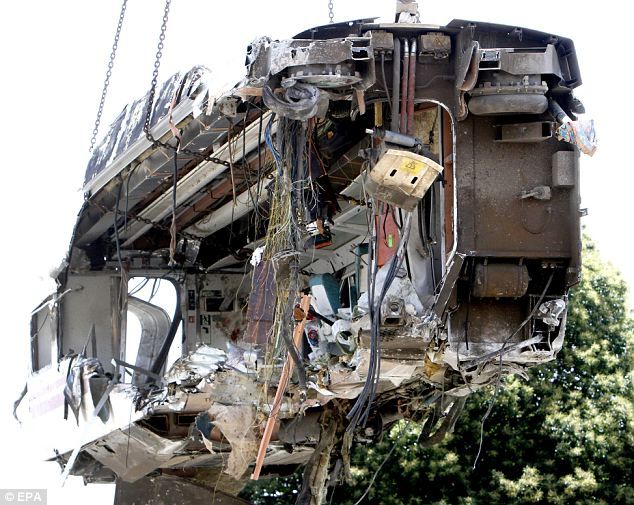
The Cordoba train collision in southern Spain has claimed the lives of at least 39 people and left dozens more injured, making it one of the most devastating rail disasters in the country in over a decade. The accident occurred late Sunday evening when carriages on a Madrid-bound high-speed train derailed and crossed onto the opposite track, colliding head-on with an oncoming train traveling south from Madrid to Huelva. Emergency services report that around 400 passengers and staff were onboard the two trains at the time of the collision.
National Response and Investigation Launched
Spanish authorities have immediately launched a full-scale investigation into the Cordoba train collision. Transport Minister Óscar Puente described the crash as “extremely strange” due to its occurrence on a straight, recently renovated section of track. The trains were reportedly traveling below the maximum speed limit of 250 km/h, and human error has been largely ruled out as a cause, with officials pointing instead to possible mechanical faults or infrastructure issues. Preliminary findings suggest it will take at least a month before a conclusive explanation is released.
Casualties and Hospitalization
At least 39 fatalities have been confirmed, though officials note the number could rise as emergency teams continue recovery efforts. A total of 112 people have been treated by emergency responders, with 48 still hospitalized, including five children. Among those in hospital, 11 adults and one child remain in intensive care. Most casualties occurred in the front carriages of the southbound train. Passengers have described the impact as feeling like an “earthquake,” and reports indicate widespread panic and chaos inside the trains during the collision.
Government and Leadership Actions
Spanish Prime Minister Pedro Sánchez has canceled public appearances to visit the crash site and receive first-hand reports on the situation. The visit underscores the national gravity of the disaster. Authorities have urged any survivors to contact their families directly or through social media to ensure lines remain open for emergency communications. The European Commission has also indicated that it is ready to provide support if requested, highlighting the potential need for international coordination in response efforts.
Emergency Services and Rescue Efforts
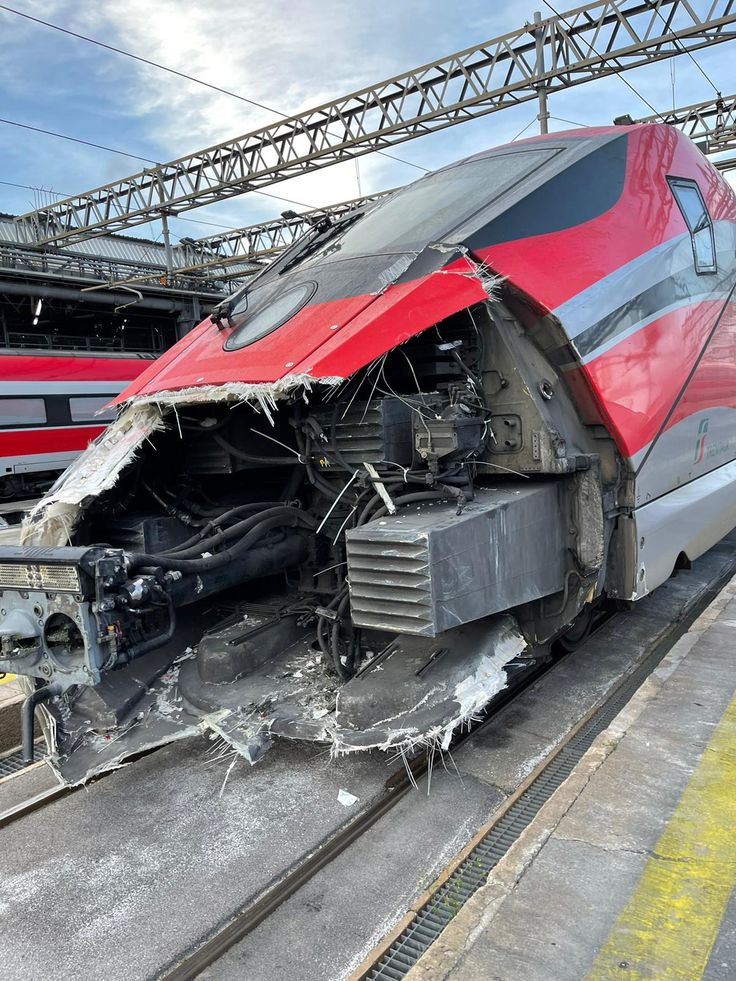
Rescue operations have been ongoing since the accident, with local emergency teams, the Civil Guard, and volunteers working to evacuate survivors, assess structural damage, and recover victims. Photos from the scene show derailed carriages with responders navigating debris to provide aid. The emergency agency in Andalusia has emphasized communication for survivors, urging them to inform loved ones of their safety to reduce panic and ensure effective coordination of rescue resources.
Context and Railway Safety Considerations
The Cordoba train collision raises questions about the safety of high-speed rail networks, even on newly renovated tracks. Experts have expressed surprise at the incident, noting that the involved trains were relatively new and had recently undergone inspections. The crash highlights the challenges in ensuring mechanical and infrastructural integrity in high-speed transport, and it is expected to lead to a comprehensive review of safety protocols across Spain’s rail system.
Human Impact and Community Response
Beyond the immediate casualties, the collision has caused widespread anxiety among families and communities connected to the affected passengers. Hospitals, local authorities, and volunteer organizations are providing support for those injured and displaced, while psychological aid is being offered to family members coping with the traumatic event. Survivors have shared stories of chaos, fear, and heroism, emphasizing the human toll of the tragedy.
This report is part of FFRNEWS Europe & Transportation coverage, tracking major accidents and public safety events across the continent. Official statements and preliminary updates regarding the Cordoba train collision are based on reports from Spanish authorities and national emergency agencies, providing verified insights into the incident and ongoing response efforts.