The DHS funding deadline is rapidly approaching, putting the Department of Homeland Security (DHS) on the brink of a partial shutdown as Congress struggles to pass a stopgap funding bill. Lawmakers from both parties are locked in a bitter standoff over provisions related to immigration enforcement reform, border security funding, and oversight of federal agencies, with no clear resolution as of early February.
Unless Congress reaches an agreement by February 13, funding for critical functions within DHS — including agencies like FEMA, the Transportation Security Administration (TSA), and the Coast Guard — could lapse. The looming deadline has raised concerns about disruptions to government operations and the potential impact on federal workers and immigration enforcement nationwide.
What Is at Stake in the DHS Funding Deadline Fight
The DHS funding deadline stems from a temporary funding extension passed earlier this year that provided a short-term lifeline to the department. That measure allowed most of the federal government to reopen after a brief shutdown, but it did not resolve deep disagreements over how to control or reform immigration enforcement practices.
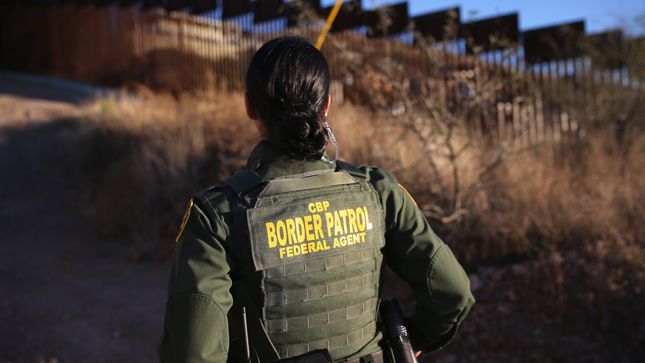
Republicans and Democrats remain sharply divided over whether to attach conditions and reforms to future DHS funding. Democratic lawmakers are pushing for measures aimed at increasing accountability and transparency within Immigration and Customs Enforcement (ICE) and Customs and Border Protection (CBP), including requirements for body-worn cameras, clearer identification protocols, and limits on warrantless searches.
Republicans, meanwhile, have resisted many of these proposed reforms, arguing that they could weaken law enforcement capabilities and undermine border security. The standoff reflects broader tensions over immigration policy that have bedeviled Capitol Hill for years.
How Negotiations Have Evolved
Earlier partial government funding agreements separated DHS funding from larger appropriations bills to allow legislators more time to negotiate. However, those negotiations have now stalled, with party leaders unable to bridge the gap between competing demands.
House Democratic Leader Hakeem Jeffries has reiterated that Democrats will not support another short-term funding extension unless significant reforms are included, calling for protections and accountability provisions in exchange for funding approval.
In response, top Republican lawmakers have accused Democrats of holding DHS funding “hostage” while pushing unpopular policy changes, raising the political stakes as the deadline nears.

What Agencies Could Be Affected
If the DHS funding deadline is not met, several key federal agencies under the DHS umbrella could face disruptions. While some components, such as ICE and CBP, might continue operations due to supplemental funding provisions from previous budget laws, others could experience furloughs or operational limitations.
For example, agencies such as the Transportation Security Administration (TSA) may see staff working without pay, potentially affecting airport security checkpoints. The Federal Emergency Management Agency (FEMA), critical for disaster response, could also face funding gaps that hinder preparedness.
A lapse in DHS funding would not trigger a full government shutdown, as other agencies are funded through separate appropriations. However, the effects could still be significant — especially for services tied to homeland security and national readiness.
Public Safety and Immigration Enforcement Debate
At the heart of the dispute is how the federal government should balance border security with civil liberties and accountability. Recent high-profile incidents involving federal immigration agents have intensified calls from both sides for reform and clearer oversight mechanisms.
Democrats argue that stricter guidelines for ICE and CBP are necessary to protect civil rights and rebuild public trust. Republicans counter that adding restrictions could impede law enforcement effectiveness at a time when border security remains a central concern for many Americans.
The debate over the DHS funding deadline thus encapsulates broader national disagreements over immigration policy, enforcement priorities, and the role of federal agencies in public safety.
Political Implications Ahead of Midterm Elections
The stakes of the DHS funding deadline extend beyond fiscal policy and government operations. With congressional control and key midterm contests on the horizon, the battle over DHS funding could influence voter perceptions and electoral strategies.
Democrats may seek to portray their push for reform as aligned with calls for accountability and civil rights protection. At the same time, Republicans may emphasize security and border control as core strengths of their platform. Both sides are aware that public opinion on immigration and Homeland Security could sway critical constituencies in upcoming elections.
Possible Outcomes After the Deadline
As the DHS funding deadline approaches, several scenarios are possible:
- Compromise Deal: Lawmakers could reach a bipartisan agreement that combines funding with agreed-upon reforms to avoid a shutdown.
- Short-Term Extension: Congress could approve another temporary extension to buy more time for negotiations.
- Partial Shutdown: If no agreement is reached, DHS may experience a partial shutdown, affecting specific agencies and programs.
Each possibility carries political and operational consequences, and lawmakers are under intense pressure to find common ground.
What Comes Next
With only days left before the DHS funding deadline, congressional leaders are expected to intensify negotiations, hold additional caucus meetings, and possibly bring new funding proposals to the floor. Watchers of Capitol Hill say that both sides will need to compromise to prevent disruptions to critical homeland security operations.
As lawmakers navigate this impasse, the broader national conversation over immigration, border security, and federal oversight continues to shape the political landscape. The outcome of the DHS funding deadline fight will signal much about the priorities and direction of U.S. governance in the months ahead.
This report is part of FFRNEWS U.S. & Politics coverage, tracking federal funding negotiations, Homeland Security policy debates, and executive-legislative standoffs in Washington. Information is drawn from live reporting and political analysis of the ongoing DHS funding negotiations.