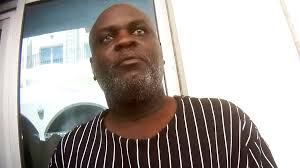
Dubai sex-trade ring operations were exposed after a months-long BBC Eye investigation revealed shocking exploitation of vulnerable women in one of the Middle East’s most glamorous cities. The exposé identified Charles “Abbey” Mwesigwa, a former London bus driver, as the alleged leader of the criminal network.
Now, authorities in the United Arab Emirates (UAE) have confirmed that Mwesigwa has been detained at the Central Prison Centre in Al Awir, Dubai. His arrest follows the broadcast of undercover footage and survivor testimonies that shed light on a system of coercion, abuse, and human trafficking.
Who is Charles “Abbey” Mwesigwa?
Charles Mwesigwa, known in Dubai nightlife circles as “Abbey,” presented himself as a party organizer with connections to wealthy clients. According to the BBC investigation, he offered undercover reporters women for private events starting at $1,000 (£750) per person.
In recorded conversations, Mwesigwa bragged about his influence in Dubai’s luxury entertainment scene, claiming women could do “pretty much everything” clients demanded. Survivors, however, told a darker story: promises of legitimate work in hotels or supermarkets quickly turned into debt bondage and sexual exploitation.
Despite denying involvement in trafficking, Mwesigwa admitted he knew many women through his parties and wealthy contacts. He insisted that he only “helped women with accommodation” and denied forcing anyone into prostitution.
Arrest and Detention in Dubai
Following the investigation’s release, a Dubai law firm confirmed to the BBC that Mwesigwa was being held in Al Awir Central Prison.
Additional details:
- An Interpol Red Notice was issued by Uganda, calling on global police forces to detain Mwesigwa pending extradition.
- The Ugandan embassy in Abu Dhabi confirmed that investigations into human trafficking were ongoing.
- The UAE authorities have yet to announce the exact charges, but his detention signals a coordinated crackdown.
Testimonies From Survivors
The BBC investigation revealed harrowing accounts from young Ugandan women who were lured to Dubai with the promise of stable jobs. Instead, many were trapped in a cycle of exploitation:
- Debt Trap: Women were told they owed recruitment agents thousands of dollars and were forced into prostitution to repay these sums.
- Extreme Abuse: Survivors shared disturbing stories of clients demanding humiliating acts, including sexual violence and degrading “fetish requests.”
- Isolation: Many victims had passports confiscated, leaving them unable to return home.
One survivor, identified as “Mia” (name changed for safety), described how Mwesigwa’s network trapped her: “He said there was no way out unless I paid the debt. The clients wanted things I can’t even say. It was not life — it was survival.”
Mysterious Deaths of Women Linked to the Ring
The investigation also uncovered troubling cases involving the deaths of two Ugandan women connected to Mwesigwa:
- Monic Karungi – Fell from a high-rise apartment.
- Kayla Birungi – Died under similar circumstances.
Although both cases were officially ruled suicides by Dubai authorities, families and friends believe foul play may have been involved. They accuse local police of failing to investigate properly, while Mwesigwa insisted the deaths were unrelated to him.
Reaction in Uganda
The revelations sparked outrage in Uganda, where lawmakers described the findings as “disturbing.” Parliamentary debates called for stronger protections for migrant workers and deeper cooperation with Interpol to dismantle trafficking networks.
Ugandan ministers vowed to work with UAE authorities to ensure justice. Many campaigners argue that weak oversight of foreign recruitment agencies has left young women vulnerable to abuse in Gulf states.
Dubai’s Reputation and Legal Context
Dubai markets itself as a global hub for luxury tourism and business. But behind its glittering skyscrapers lies a darker reality:
- Prostitution is illegal in the UAE.
- Human trafficking carries heavy penalties under Emirati law.
- Despite this, underground sex-trade networks persist, often fueled by vulnerable migrant workers.
The arrest of Mwesigwa highlights both the seriousness of the allegations and the pressure on UAE authorities to address trafficking concerns in a city reliant on its international reputation.
International Impact of the Case
The detention has drawn attention far beyond the UAE and Uganda. Human rights organizations argue that this case is part of a broader pattern of exploitation of African women in the Gulf region, where promises of opportunity frequently mask abuse.
Interpol’s involvement indicates that the case could expand across borders, with questions about:
- Who Mwesigwa’s clients were.
- Whether local officials turned a blind eye.
- How victims can be repatriated and supported.
What Happens Next?
As of now, the UAE has not released an official statement on charges against Mwesigwa. However, experts suggest several possible outcomes:
- Extradition to Uganda – Given the Interpol Red Notice, he could be returned to face trial there.
- Trial in the UAE – If UAE prosecutors pursue trafficking charges, he may face trial under Emirati law.
- Diplomatic Pressure – International scrutiny could push for greater transparency and reforms in Dubai’s handling of trafficking cases.
The Bigger Picture
The arrest of Charles “Abbey” Mwesigwa marks a significant turning point in exposing the hidden world of the Dubai sex-trade ring. While his detention offers a measure of accountability, it also highlights the systemic vulnerabilities that leave women at risk of exploitation.
As investigations continue, survivors and advocates hope this case becomes a catalyst for stronger protections, both in the UAE and in countries like Uganda, where desperation for work abroad too often leads to tragedy.
Source: BBC