Europe U.S. Civilizational Rhetoric Rebuttal – At the 2026 Munich Security Conference, European leaders publicly pushed back against recent language in the U.S. national security strategy that suggested Europe could face “civilizational erasure.” The rebuttal — led by Kaja Kallas, European Union foreign policy chief — underscores growing diplomatic friction between the United States and European nations over geopolitical priorities, messaging on migration, and transatlantic cooperation — even as both sides stress that the alliance remains crucial.
The dispute illustrates how national security narratives are increasingly shaping international relations, sparking debate among policymakers, commentators, and political circles across both continents.
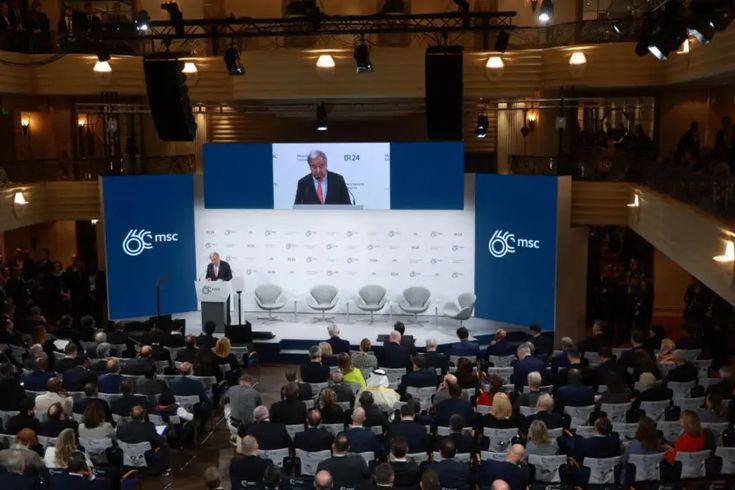
European Rebuttal at the Munich Conference
During a panel discussion at the Munich Security Conference, Kaja Kallas dismissed claims that Europe is on the brink of collapse due to immigration trends and other demographic factors. These claims had been included in a recent U.S. national security strategy document, which argued that Europe risks a “real and more stark prospect of civilizational erasure” if current trends persist.
Kallas described such characterizations as “European-bashing” and emphasized that the continent continues to enjoy strong standards of living, democratic freedoms, and broad global appeal. She highlighted that many countries — including Canada — have expressed interest in joining the European Union, directly contradicting the notion of decline.
Her comments were firm yet measured, acknowledging that while transatlantic ties remain essential, Europe does not see eye-to-eye with U.S. positions on every issue. “Contrary to what some may say — woke, decadent Europe is not facing civilizational erasure,” she said to applause at the conference.
Context: U.S. National Security Strategy and Criticism
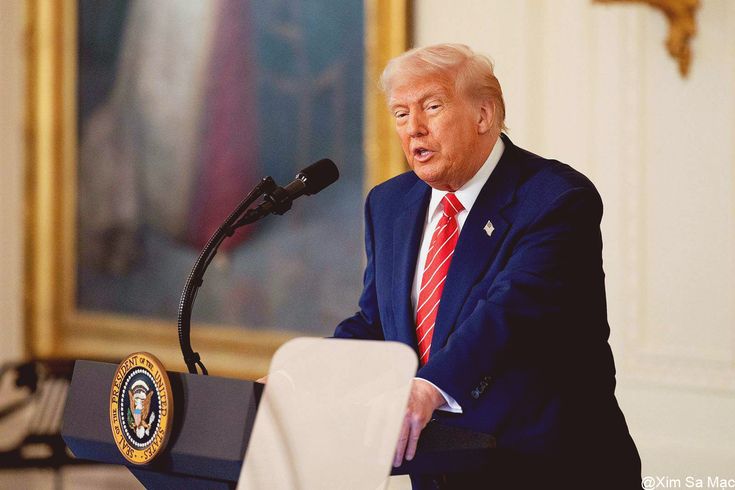
The earlier U.S. national security strategy — released by the Trump administration — had sparked controversy by framing Europe’s trajectory as potentially existentially threatened. The document cited migration policies, declining birth rates, and cultural shifts as internal challenges to European stability and argued that the continent’s geopolitical relevance could diminish without corrective action.
U.S. Secretary of State Marco Rubio spoke at the same Munich event, stressing the importance of the transatlantic alliance and downplaying conflict with allies while reiterating concerns about migration, climate policy, and trade. Rubio’s tone was less confrontational than previous remarks by other U.S. officials but still underscored Washington’s intent to influence allied policy directions.
European Perspective and Values
European leaders quickly seized on the rhetoric to reaffirm their continent’s strengths. Kallas and other officials highlighted Europe’s commitment to human rights, free speech, press freedom, and inclusive societies as key differentiators from the “civilizational decline” narrative. Her reference to press freedom rankings — where European nations like Estonia rank at the top — was a pointed contrast to U.S. rankings and part of her broader diplomatic rebuttal.
British Prime Minister Keir Starmer also weighed in, emphasizing the importance of defending “vibrant, free and diverse societies” that demonstrate peaceful coexistence among diverse populations — a direct refutation of the decline narrative.
Implications for Transatlantic Relations
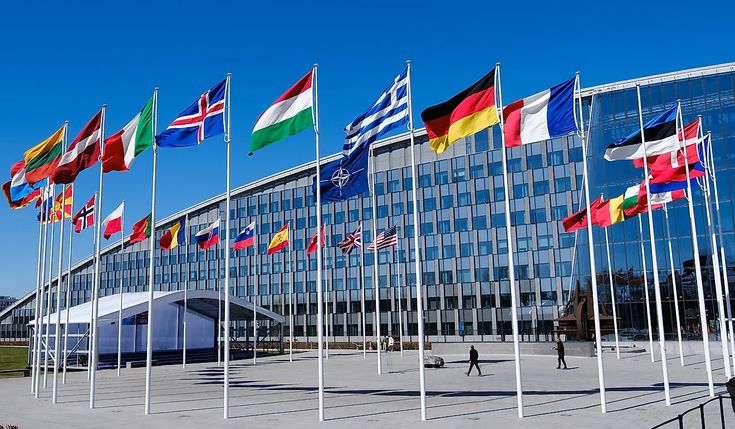
The exchange at Munich highlights an ongoing evolution in Europe–U.S. relations. While both sides reaffirm the importance of alliances like NATO, deeper ideological and policy differences — from immigration to climate policy — are emerging as key points of contention. European leaders are increasingly focused on strategic autonomy, reinforcing defense capabilities, and asserting their policy priorities without being overshadowed by U.S. strategic frameworks.
Despite disagreements, officials on both sides maintained that cooperation remains central. Rubio reiterated that Europe and the United States “belong together” and share historical bonds even amid strategic recalibration.
The response from European leaders at the Munich Security Conference to U.S. national security rhetoric — particularly the rejection of claims about “civilizational erasure” — reveals more than mere diplomatic sparring. It reflects broader shifts in how global powers define identity, values, and strategic priorities in an increasingly complex international environment.
As the United States and Europe negotiate both cooperation and disagreement, this dialogue serves as a reminder that alliances are not static but evolve with changing political landscapes. Europe’s rebuttal may not derail transatlantic cooperation, but it signals a more assertive and independent voice on the global stage.
This report is part of FFRNEWS Politics coverage, tracking global diplomatic developments and transatlantic relations ahead of major geopolitical summits. Details are based on reporting from Associated Press and Euronews on European leaders’ responses to U.S. national security rhetoric at the Munich Security Conference.