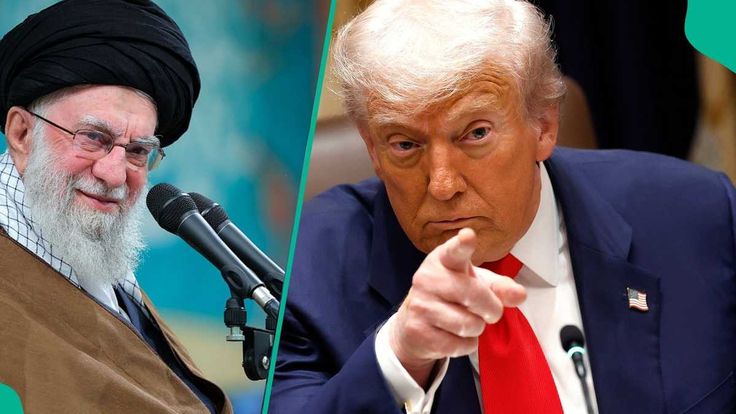
Gaza ceasefire deal has officially been signed in Egypt’s Sharm el-Sheikh, marking what global leaders are calling the “end of the Gaza war” and the beginning of a new phase of reconstruction, reconciliation, and hope for millions affected by the devastating conflict.
After months of international mediation and two years of bloodshed, US President Donald Trump joined Egyptian President Abdel Fattah el-Sisi, Qatar’s Emir Sheikh Tamim bin Hamad Al Thani, and Turkish President Recep Tayyip Erdogan to sign a landmark document aimed at ensuring peace, rebuilding Gaza, and establishing long-term stability in the region.
The agreement also includes a massive prisoner exchange, humanitarian aid corridors, and a 20-point peace plan to demilitarize Gaza and enable Palestinian-led reconstruction under international supervision.
A Historic Signing in Egypt
In a scene broadcast live from Sharm el-Sheikh, world leaders gathered under tight security to finalize the long-awaited Gaza ceasefire deal. The summit was attended by representatives from more than 30 nations, including Saudi Arabia, Jordan, Germany, Italy, and the United Kingdom.
President el-Sisi opened the summit, praising the international effort and saying, “Only with partnership and trust can peace become permanent. Today, we see the first dawn after years of darkness.”
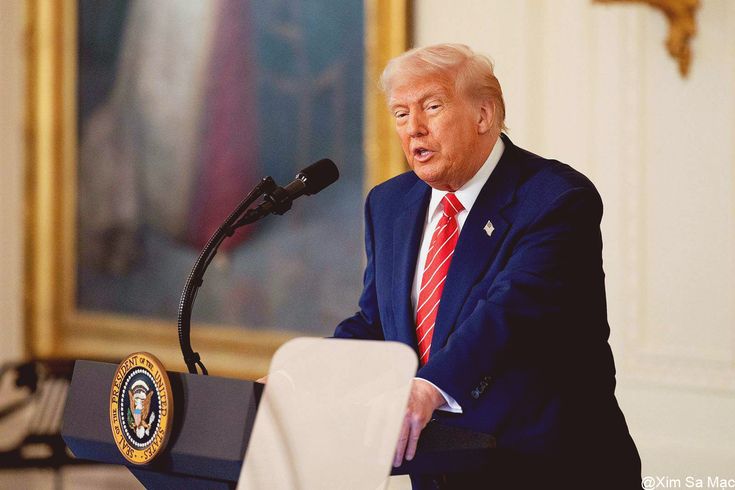
Moments later, Trump stepped onto the stage to applause and signed the ceasefire agreement alongside el-Sisi, Erdogan, and Sheikh Tamim. “We’re going to sign a document that’s going to spell out rules, regulations, and commitments,” Trump declared. “This is not just a ceasefire—it’s the foundation for a lasting peace.”
He described the deal as “historic”, claiming it took “between 500 to 3,000 years to get to this point.”
End of the War and the Beginning of Reconstruction
“This is the day that people across the region and the world have been praying for,” Trump said in his speech. “After years of suffering and bloodshed, the war in Gaza is over. Civilians are returning home, hostages are being reunited with their families, and a new, beautiful day is rising.”
Under the agreement, Israel and Hamas have agreed to a full cessation of hostilities, while a coalition of Arab and Western countries will oversee the reconstruction of Gaza. Humanitarian aid is already pouring in — including hundreds of truckloads of food, medical supplies, and building materials — coordinated through Egypt’s Rafah crossing.
Trump praised Arab and Muslim nations for their “incredible role” in bringing peace, extending special thanks to Egypt, Qatar, and Turkiye for mediating the final terms.
Prisoner Exchange: Nearly 2,000 Palestinians Freed
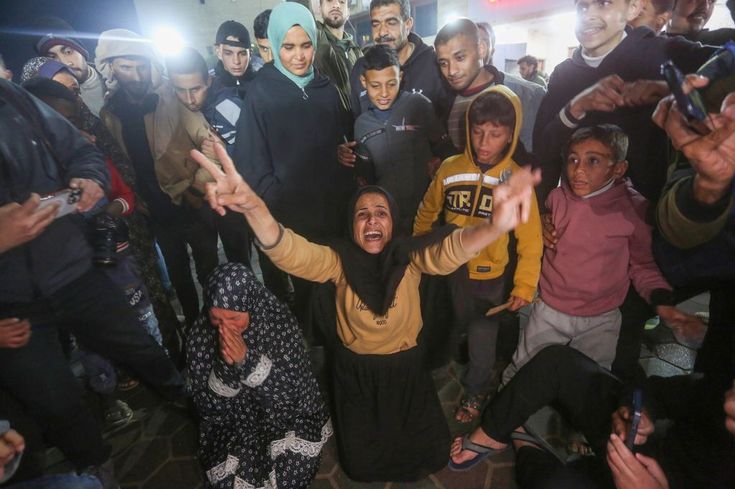
In one of the first tangible outcomes of the ceasefire, Israel released 1,968 Palestinian prisoners as part of the agreement. The Israeli Prison Service confirmed that detainees from multiple prisons were transferred to the occupied West Bank, East Jerusalem, and Gaza, signaling a major goodwill gesture.
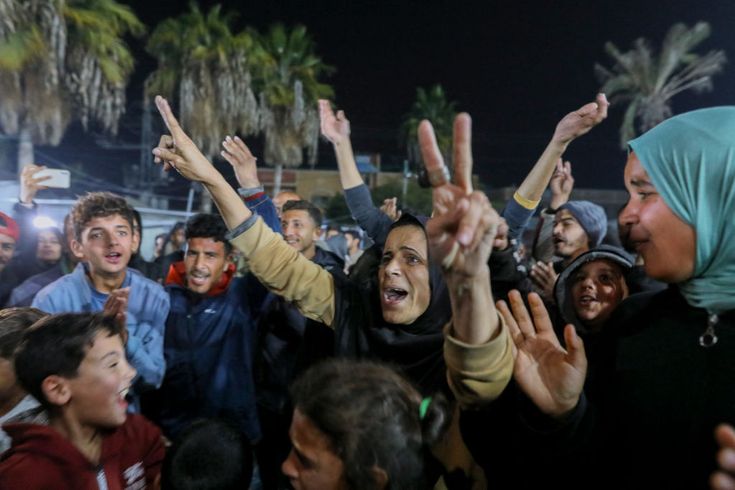
The freed prisoners were received with jubilation in Ramallah, where crowds gathered waving flags and chanting for peace. The exchange also included the recovery of four deceased Israeli captives, whose bodies were handed over to the Red Cross earlier in the day.
Hamas had announced that it would release the captives’ bodies as part of the humanitarian component of the ceasefire, calling it a “gesture of compassion for the families of the deceased.”
Trump: Gaza Must Be “Demilitarised”
During his speech, Trump laid out the principles of his 20-point Gaza peace plan, emphasizing the need for demilitarisation and a new governance framework for Gaza.
“Gaza’s reconstruction requires that it be demilitarized,” Trump said. “A new, honest police force must be allowed to create a safe condition for the people. The focus must now be on restoring the basics of a good life—food, water, healthcare, education, and security.”
He confirmed that massive reconstruction funding had already been pledged by global partners and international financial institutions, calling it “a great, glorious and lasting peace.”
El-Sisi: “Only Trump Could Make This Peace”
Egyptian President Abdel Fattah el-Sisi expressed gratitude to the United States for leading mediation efforts, calling Trump “the only leader capable of making peace happen.”
He described the agreement as a “great achievement” and emphasized Egypt’s commitment to ensuring the deal holds. “The task now is to make sure this peace is protected, implemented, and sustained,” el-Sisi added.
Trump, in response, praised el-Sisi as “a fantastic general and a powerful leader who keeps Egypt safe and stable.”
Global Praise and Diplomatic Momentum
Following the signing, world leaders across the region expressed optimism. Turkish President Recep Tayyip Erdogan, Saudi Crown Prince Mohammed bin Salman, and UAE President Sheikh Mohamed bin Zayed all received personal thanks from Trump for their roles in brokering the deal.
Trump called Erdogan “as tough as can be, but a great friend,” and credited Qatar’s Sheikh Tamim bin Hamad Al Thani for having “a tremendous heart and commitment to peace.”
The United Kingdom, meanwhile, hosted separate talks in West Sussex with top officials and financial institutions to plan Gaza’s reconstruction. Junior Foreign Minister Hamish Falconer stated that rebuilding Gaza “will take years and cost billions,” emphasizing the need for “crucial planning and coordination.”
Representatives from Jordan, Saudi Arabia, Germany, and Italy attended the UK conference, alongside the Palestinian Authority, in what was described as the “first step toward a Palestinian-led recovery.”
Lebanon and the Wider Region
The ceasefire’s impact is already reverberating across the Middle East. Lebanon’s President Joseph Aoun welcomed the Gaza peace plan and called for direct negotiations between Lebanon and Israel to resolve lingering disputes since their 2022 maritime border deal.
“The atmosphere in the Middle East is now one of deals and agreements,” Aoun said. “War did not bring results — diplomacy can.”
Analysts suggest this could mark a regional shift toward de-escalation, especially after years of conflicts involving multiple fronts — from Gaza and Lebanon to Syria and Yemen.
Egypt Calls for International Peacekeeping
Egyptian Foreign Minister Badr Abdelatty said the success of Trump’s vision for Middle East peace depends on continued international involvement — including possible deployment of peacekeeping forces.
“We need American engagement, even deployment on the ground,” Abdelatty told reporters. “Peacekeeping will require clear missions, mandates, and international coordination.”
According to sources, a multinational monitoring force is being discussed to oversee Gaza’s demilitarisation and ensure the ceasefire holds.
Analysis: A Long Road Ahead
Analysts warn that while the Gaza ceasefire deal represents a diplomatic milestone, its implementation will be complex.
Alan Fisher, reporting from Washington, said, “There’s a lot of hard work ahead. Delivering a peace process that holds up over time is always challenging. This isn’t a ‘one and done.’ The real test begins now.”
Middle East scholar Zeidon Alkinani added that while the agreement is a major step, it cannot guarantee regional stability on its own. “One peace treaty or one summit cannot erase decades of occupation,” he said. “Israel’s approach to settlements must change for true peace to last.”
The Humanitarian Dimension
For Gaza’s 2.3 million residents, the ceasefire offers the first glimmer of normalcy in years. International organizations, including the Red Cross, UNRWA, and World Food Programme, have begun scaling up operations.
The United Nations has pledged to coordinate reconstruction logistics, focusing on clearing rubble, restoring housing, and reopening schools and hospitals.
UK’s Falconer reiterated that rebuilding Gaza “will be Palestinian-led” and involve civil society, private sector, and local leadership.
A Turning Point in U.S.–Middle East Relations
For the United States, the Gaza ceasefire marks a rare moment of bipartisan praise for Trump’s foreign policy. Even critics acknowledged the scale of the breakthrough.
In Washington, officials described the deal as the most significant diplomatic success since the Abraham Accords. Trump’s aides said the President may remain in Egypt “for further discussions with regional leaders.”
“This is the most positive light Trump has had since returning to the Oval Office,” one U.S. analyst noted.
Looking Forward
As the ink dries on the Gaza ceasefire deal, the challenge now is to transform promises into tangible progress.
In Trump’s words, “This is not the end — it’s the beginning of a new chapter. The people of Gaza deserve peace, dignity, and a future filled with hope.”
El-Sisi echoed that sentiment: “Peace will only survive if it grows from the ground — in every home, every school, every street rebuilt from the ashes.”
With the war officially over, the world’s attention now turns to rebuilding Gaza, restoring stability, and ensuring that the hard-won ceasefire endures for generations to come.
Source: Al Jazeera