The Global Sumud Flotilla ship attacked by Israel and Hamas rockets fired into Ashdod have together plunged the region into a fresh wave of tension and uncertainty. Within hours of each other, Israel reportedly targeted the Sumud Flotilla, a civilian vessel carrying international activists attempting to reach Gaza, while Hamas launched five rockets toward the Israeli city of Ashdod, four of which were intercepted by the Iron Dome defense system.
Both incidents mark a dangerous escalation in the ongoing Gaza-Israel conflict, raising fears of a wider military confrontation and sparking international outrage.
Global Sumud Flotilla: What Happened at Sea
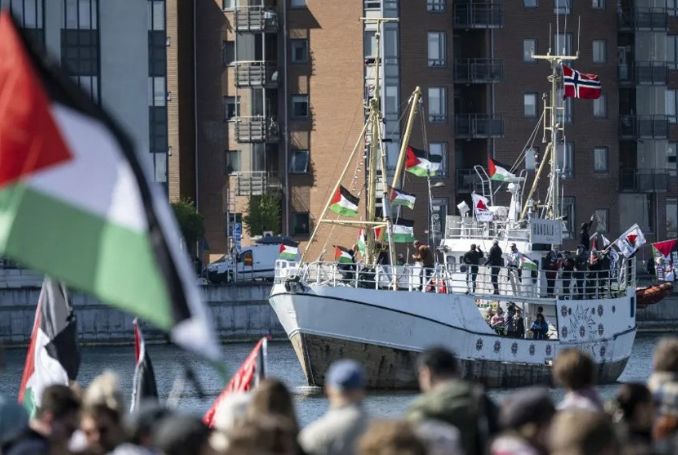
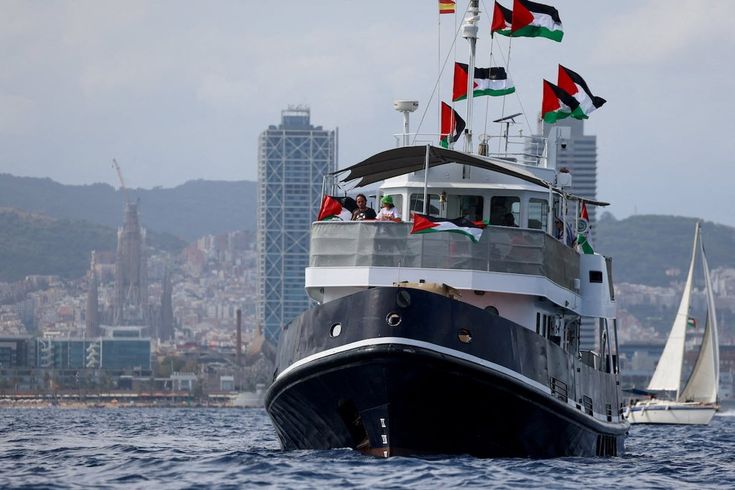
The Global Sumud Flotilla is part of a long-standing international movement challenging Israel’s naval blockade of Gaza. On Monday evening, activists aboard the vessel were within reach of Gaza’s shores when they reported being surrounded and attacked by the Israeli navy.
Eyewitnesses say water cannons and live fire were used to disable the ship. Several activists were reportedly injured, and communications from the vessel were abruptly cut off. Videos shared on social media appeared to show chaos on deck, with passengers shouting as the ship took damage.
The flotilla organizers condemned the incident, calling it “a direct assault on humanitarian activists whose sole mission was to deliver aid and solidarity to Gaza’s besieged population.”
Israel’s government has not released an official statement, but military sources, speaking on background to local media, claimed the ship posed a “security threat.” This justification echoes past Israeli actions against flotillas, most notably the 2010 Mavi Marmara raid, which killed nine activists and led to global condemnation.
The Significance of the Sumud Flotilla
The word “Sumud”, meaning steadfastness in Arabic, reflects the flotilla’s mission to stand with Palestinians living under blockade. Gaza has been under land, air, and sea restrictions since 2007, with critics calling it “the world’s largest open-air prison.”
Human rights groups argue that the flotilla’s interception shows Israel’s unwillingness to tolerate even symbolic challenges to its control of Gaza’s access to the outside world.
The attack also risks reigniting diplomatic rifts with countries whose citizens were aboard the vessel. Activists from Europe, North America, and the Middle East were reportedly present, and their governments may now come under pressure to demand accountability.
Hamas Rockets Fired Into Ashdod
Almost simultaneously with the flotilla incident, Hamas launched five rockets from northern Gaza, triggering air raid sirens across the port city of Ashdod. Israeli media confirmed that four rockets were intercepted by Iron Dome, while the fifth landed harmlessly in an open area.
Residents described frantic scenes as alarms blared. Families scrambled for bomb shelters, and explosions echoed overhead as interceptors neutralized the incoming threat.
Although no casualties were reported, the psychological toll was evident. “It was terrifying. We only had seconds to run,” one Ashdod resident told local media.
Ashdod: A Strategic Target
Ashdod, located just north of Gaza, is not only a major city but also one of Israel’s most critical seaports. By targeting it, Hamas sends a symbolic message: it can still disrupt Israel’s civilian and economic life far beyond the immediate border areas.
Military analysts noted that the rockets came shortly after the flotilla attack, suggesting the two events may be connected in timing, even if not directly coordinated.
Escalating Tensions and Historical Echoes
Together, these incidents highlight the fragility of the Gaza-Israel situation. Past flotilla confrontations, particularly the 2010 Mavi Marmara raid, triggered international crises. Likewise, Ashdod has repeatedly been a target during previous conflicts, its vulnerability underscoring the strategic stakes.
Observers worry that this latest combination — an Israeli attack on an international ship and rocket fire into a major city — could tip the balance toward a broader escalation.
Voices from the Ground
Activists aboard the Global Sumud Flotilla managed to send brief audio messages before losing communication. One participant said:
“We were unarmed. We carried only aid and our determination to reach Gaza. Israel’s attack is not just against us, but against the principle of free seas.”
In Ashdod, residents expressed both relief at the Iron Dome’s success and fear of what might follow. “We survived this round, but retaliation will come,” another resident said.
International Reaction
Diplomatic fallout is already beginning. Several European governments are demanding clarification about their nationals aboard the flotilla. Human rights organizations have condemned the attack as a violation of international law, noting that the ship was in international waters.
The United Nations has called for restraint, warning that the combination of naval assaults and rocket exchanges could spiral into a new Gaza war.
Meanwhile, Egypt and Qatar — frequent mediators in Gaza-Israel crises — are reportedly preparing to engage both sides to prevent escalation.
Possible Retaliation and Next Steps
The Israeli military traditionally responds to rocket attacks with airstrikes on Gaza, targeting Hamas infrastructure. If such strikes occur in the coming hours, the situation could rapidly escalate into days or weeks of conflict.
At the same time, Israel faces international scrutiny over its actions against the flotilla. Governments with citizens aboard may demand explanations or launch investigations, potentially straining Israel’s diplomatic ties.
Beyond the Headlines: Why This Matters
The Global Sumud Flotilla ship attacked by Israel and Hamas rockets fired into Ashdod story encapsulates the deep-rooted struggles around Gaza:
- The blockade: Gaza remains isolated, its population of 2.3 million enduring dire humanitarian conditions.
- Civilian risks: Both Ashdod residents and Gaza civilians face the constant threat of violence.
- International law: The interception of civilian vessels in international waters raises legal and ethical questions.
- Cycle of retaliation: Each act — rockets, naval attacks, or airstrikes — feeds into a cycle that makes peace more elusive.
A Night That Could Shape the Future
For Gaza’s 2.3 million residents, Ashdod’s quarter-million citizens, and the activists who risked everything aboard the Global Sumud Flotilla, tonight’s events are more than breaking news — they are a reminder of how quickly lives can change in a region perpetually on edge.
Whether these incidents remain isolated or spiral into another full-scale conflict depends on the decisions made in the coming hours by leaders in Gaza, Israel, and beyond.