Hate Against Muslims in India has become one of the most alarming trends in the nation’s modern political and social landscape. What was once considered fringe violence has now turned into a normalized public spectacle — one that is broadcast, celebrated, and consumed by millions. In today’s India, hate has not only entered living rooms through television and social media but has also become a source of entertainment and political power.
Every day begins with two parallel Indias. On television screens, audiences are served fiery debates on “Hindu pride”, “Pakistan threats”, and “New India’s rise.” Meanwhile, away from the cameras, Muslims continue to face harassment, mob lynchings, arbitrary arrests, and discrimination. These two realities coexist — one performed for political gain, the other lived as a daily struggle. The result is chilling: Muslim suffering is either erased entirely or transformed into entertainment for the majority.
Take the tragic killing of a seven-year-old Muslim boy in Azamgarh. His body was found stuffed into a bag, a crime that briefly made local headlines before being replaced by “love jihad” debates and cricket coverage. The child’s death became a footnote, another silent tragedy in a country growing increasingly desensitized. Sociologist Stanley Cohen’s theory of “states of denial” perfectly describes this: societies that witness atrocities so frequently that they stop feeling outrage. India today fits that description.
But hate in India is no longer just silence — it’s performance. When Muslims in Kanpur peacefully held placards reading “I love Muhammad,” the police responded with mass arrests and charges against 1,300 people. Their act of devotion was criminalized. Meanwhile, when Hindutva mobs in Maharashtra or Madhya Pradesh shouted genocidal slogans, media channels either glorified or ignored them. Violence has become a stage play, where Muslims are always accused, and Hindutva supporters are always portrayed as protectors.
The rise of “jihadi-mukt bazaars” (markets free of Muslims) in cities like Indore exemplifies this dangerous shift. Muslim shopkeepers were expelled overnight, families lost their livelihoods, and children were pulled out of school. Yet national media called it a “law and order adjustment.” Social media celebrated it like a victory. The suffering of an entire community became viral entertainment, a disturbing sign of how cruelty has been normalized.
Leaders like Uttar Pradesh Chief Minister Yogi Adityanath have amplified this narrative. From his official platforms, he regularly labels Muslims as “infiltrators” or “terror sympathizers.” These aren’t extremist statements from the fringes — they come from people in power. The political opposition, rather than resisting, often mirrors softer versions of this rhetoric to retain electoral advantage. The result is bipartisan silence that isolates India’s 200 million Muslims, leaving them politically voiceless and socially targeted.
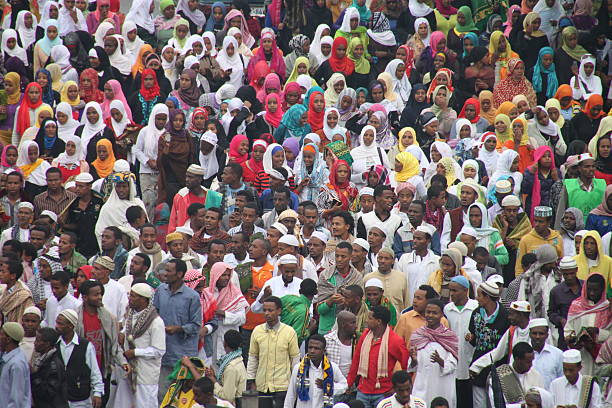
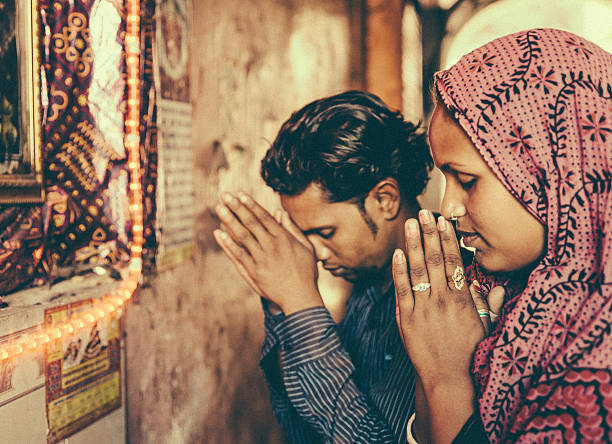
To be Muslim in India today is to live under suspicion. Every prayer, every public gathering, and every expression of identity can be construed as defiance. Friday prayers are monitored, azaan calls are questioned, and Muslim-owned businesses are boycotted. Sahir Ludhianvi once wrote, “Jinhe naaz hai Hind par, woh kahan hain?” (“Where are those proud of India now?”). That haunting question echoes today as the ideals of equality and coexistence are tested like never before.
Scholars like Mahmood Mamdani provide frameworks that help explain this transformation. In Good Muslim, Bad Muslim, Mamdani notes how states classify Muslims into “acceptable” and “dangerous” categories. In India, this division is weaponized: Muslims who suppress their faith are tolerated; those who assert it are branded criminals — mujrims. The problem isn’t religion but power — who gets to define legitimacy and who must apologize for existing.
This is why lynching videos circulate freely, anchors smirk while pushing conspiracy theories, and mobs celebrate destruction. Hatred has become leisure. When cruelty becomes comedy and oppression becomes prime-time content, democracy turns into performance, and fascism becomes ordinary life.
History reminds us where such paths lead. Germany’s liberals once ignored Nazi rallies; many Americans watched Black lynchings as public events; Israeli crowds have been seen cheering bombings. When societies turn minority suffering into amusement, they lose their moral core. India stands on that precipice today.
The question — Are we Muslims or mujrims? — is more than rhetorical. It’s a mirror held up to the conscience of a nation. Why must Muslims live on trial while hate preachers walk free? Why must a seven-year-old’s murder fade into silence while debates on nationalism dominate screens? The answers are not for Muslims alone to give — they are for India’s majority to confront.
If hate continues to serve as daily entertainment, it will not end with Muslims. History warns that the machinery of cruelty eventually devours its own creators. When the credits roll on this era of televised hate, the death of the Republic will follow — not as a sudden collapse, but as a quiet surrender of empathy.