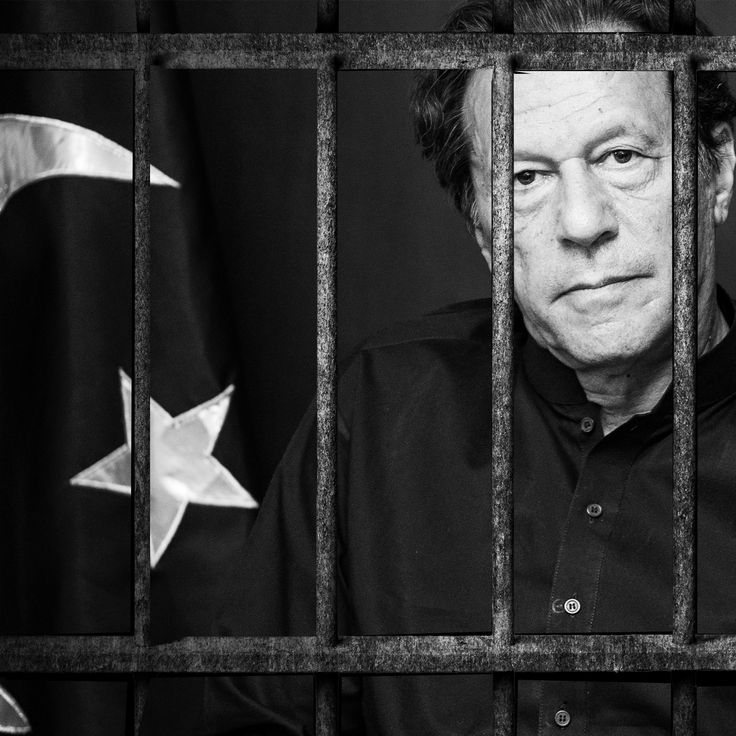
Imran Khan Illegally Detained – The hashtag #ImranKhanIllegallyDetained has been trending across Pakistan as supporters and critics debate the legitimacy of the long-running incarceration of Pakistan Tehreek-e-Insaf (PTI) founder and former prime minister Imran Khan. Once one of Pakistan’s most popular leaders, renowned internationally for captaining the national cricket team to the 1992 World Cup and later steering his party to victory in the 2018 general elections, Khan’s political journey has taken a dramatic turn as he faces a web of legal cases and prison sentences that have kept him locked up since August 2023.
His detention has reignited debates about political justice, the judicial process, and the role of state institutions — especially the military — in Pakistan’s governance. Critics label his imprisonment as politically motivated and unlawful, while the government insists that the courts applied the law appropriately in each case. Supporters advocating under the banner #ImranKhanIllegallyDetained argue that charges are orchestrated to prevent his return to power. Here is a comprehensive look at the major charges, legal actions, and context behind this highly charged political saga.
Who Is Imran Khan?
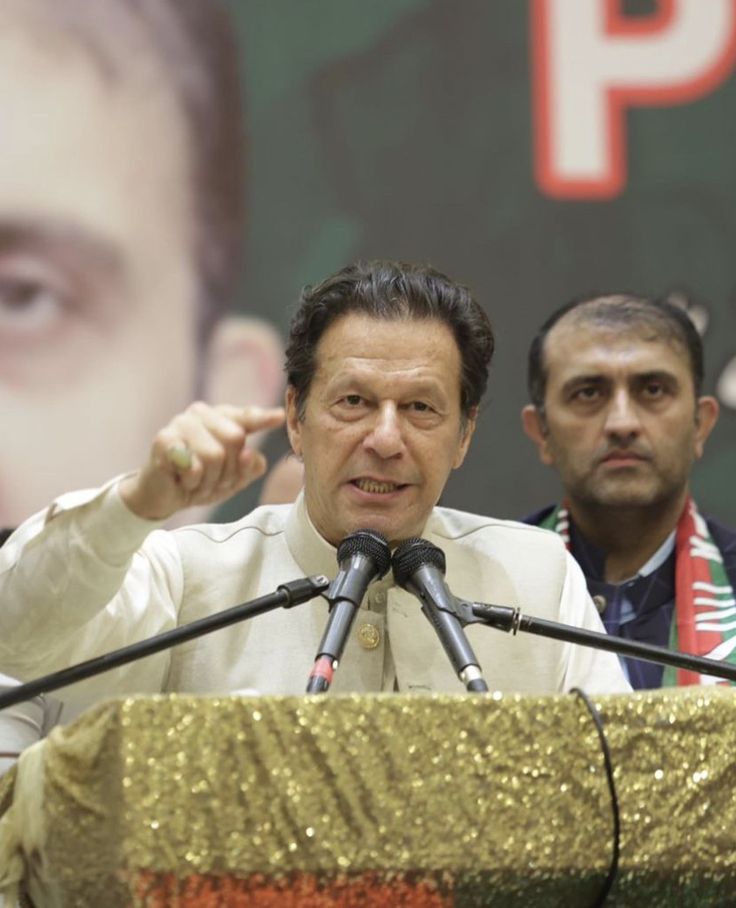
Imran Ahmed Khan Niazi, born October 5, 1952, is a former international cricketer turned politician who served as Pakistan’s 22nd prime minister from August 2018 to April 2022. Before entering politics, he was globally recognised as one of cricket’s greatest all-rounders, leading Pakistan to its first and only Cricket World Cup win in 1992. After founding the Pakistan Tehreek-e-Insaf (PTI) party in 1996, his political rise was gradual but culminated in his party’s electoral victory in 2018 on promises to tackle corruption, reform governance, and improve social welfare.
Khan’s political career, however, became increasingly controversial after his removal from office through a parliamentary no-confidence vote in April 2022. Following his ouster, he faced an expanding number of legal cases, many of which he and his supporters describe as “vindictive” or aimed at sidelining him politically ahead of elections.
Major Cases Against Imran Khan
Since 2022, Imran Khan has been implicated in dozens of criminal cases, with varying charges ranging from corruption to inciting violence — charges he emphatically denies. Among the most significant legal actions against him:
1. Toshakhana / Corruption Cases
In one of the most prominent convictions, Khan and his wife Bushra Bibi were sentenced to 17 years in prison each in the Toshakhana-2 corruption case. This case revolves around the alleged misrepresentation and undervalued purchase of costly state gifts, including luxury items such as Bulgari jewellery presented by foreign dignitaries. Pakistani courts found the couple guilty of breaching criminal breach of trust and corruption laws, a conviction the duo denies and calls politically motivated.
2. Al-Qadir Trust Case
Another high-profile case, often referred to as the “£190 million case”, involves a trust established by Khan that prosecutors allege was misused for personal or political gains. Khan and Bibi were convicted in this case as well, with the former receiving a 14-year prison sentence. Skeletons of this case have moved through Pakistan’s accountability courts, with appeals and legal challenges stretching into 2026.
3. Iddat Case
In a separate conviction, he and Bushra Bibi were sentenced for marrying during her mandatory Iddat period, a culturally sensitive issue under Pakistani law, though this case saw later legal developments including appeals.
4. Riot and Violence-Related Charges
An anti-terrorism court indicted Khan for allegedly encouraging the attacks on military installations and other state institutions during the aftermath of his May 9, 2023 arrest — a day that precipitated widespread riots. Critics argue prosecutions in these riot cases have been selective and intended to suppress political dissent.
The Timeline of His Imprisonment
Imran Khan’s detention began in earnest in August 2023, when he was arrested outside the Islamabad High Court while seeking bail in multiple pending cases. Despite some convictions being overturned later — including the high-profile cypher case linked to accusations of disclosing state secrets — Khan has remained incarcerated due to other convictions and unresolved cases.
Over the years in prison, Khan has lodged complaints about his conditions of confinement. In a widely publicised letter, he described imprisonment in Adiala Jail as harsh, stating he was kept in a small “cage” and subjected to long periods of solitary confinement — claims that align with broader criticisms from his party and human rights advocates about his treatment behind bars.
Supporters have also claimed that Khan was denied access to lawyers and family members for extended periods, particularly following critical remarks he made about Pakistan’s military leadership. These allegations have been echoed in multiple PTI press conferences and communications.
Allegations of Political Motivation and Arbitrary Detention
The central claim embodied in the #ImranKhanIllegallyDetained trend is that Khan’s imprisonment is politically motivated and lacks proper legal justification. In a significant development, an expert panel of the United Nations Working Group on Arbitrary Detention determined that Khan’s detention was arbitrary and in violation of international standards. The panel called for his immediate release, stating that his detention appeared designed to bar him from political participation rather than enforce genuine criminal accountability.
PTI leaders have repeatedly dismissed suggestions that they would seek foreign intervention, insisting instead that all legal remedies be pursued through Pakistan’s courts.
Supporter Protests and Social Media Rumours
Imran Khan’s imprisonment has sparked protests across Pakistan, particularly among PTI supporters, leading at times to clashes with law enforcement. Social media has been rife with speculation, including unverified death rumors that circulated widely; authorities and credible news outlets have repeatedly denied these claims, stressing there is no evidence that Khan had died in custody.
Supporters have also launched social media campaigns and rallies under hashtags such as #ImranKhanIllegallyDetained, framing the situation as an injustice and calling on national and international bodies to intervene or condemn the detention.
Broader Political Context
Imran Khan’s imprisonment cannot be divorced from Pakistan’s fraught political landscape. His removal from office via a no-confidence vote in 2022 marked a dramatic shift in the country’s power dynamics. Since then, Khan has faced intensified legal challenges at nearly every turn, and political tensions between his supporters, state institutions, and rival political parties have remained high.
His continued detention has also drawn scrutiny to Pakistan’s justice system, with critics arguing that his treatment sets a dangerous precedent for political prosecutions and the weakening of democratic competition.
This report is part of FFRNEWS Politics coverage, drawing on global reporting and legal analyses about the prolonged imprisonment of Pakistan’s former prime minister. Details are informed by multiple sources including United Nations statements on arbitrary detention and news agencies explaining Khan’s multiple convictions such as the Toshakhana corruption case, the Al-Qadir Trust case, and broader political and legal developments related to his incarceration in Adiala Jail and other legal proceedings in Pakistan’s higher courts.