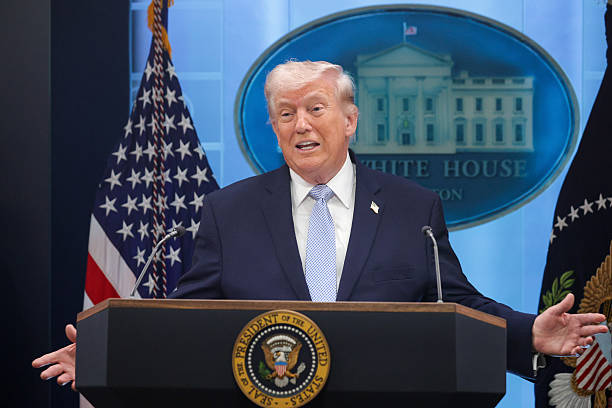
Iran ceasefire outlook has become one of the most closely watched geopolitical developments in the world as a fragile two-week truce between Iran, the United States, and Israel attempts to halt a rapidly escalating conflict in the Middle East.
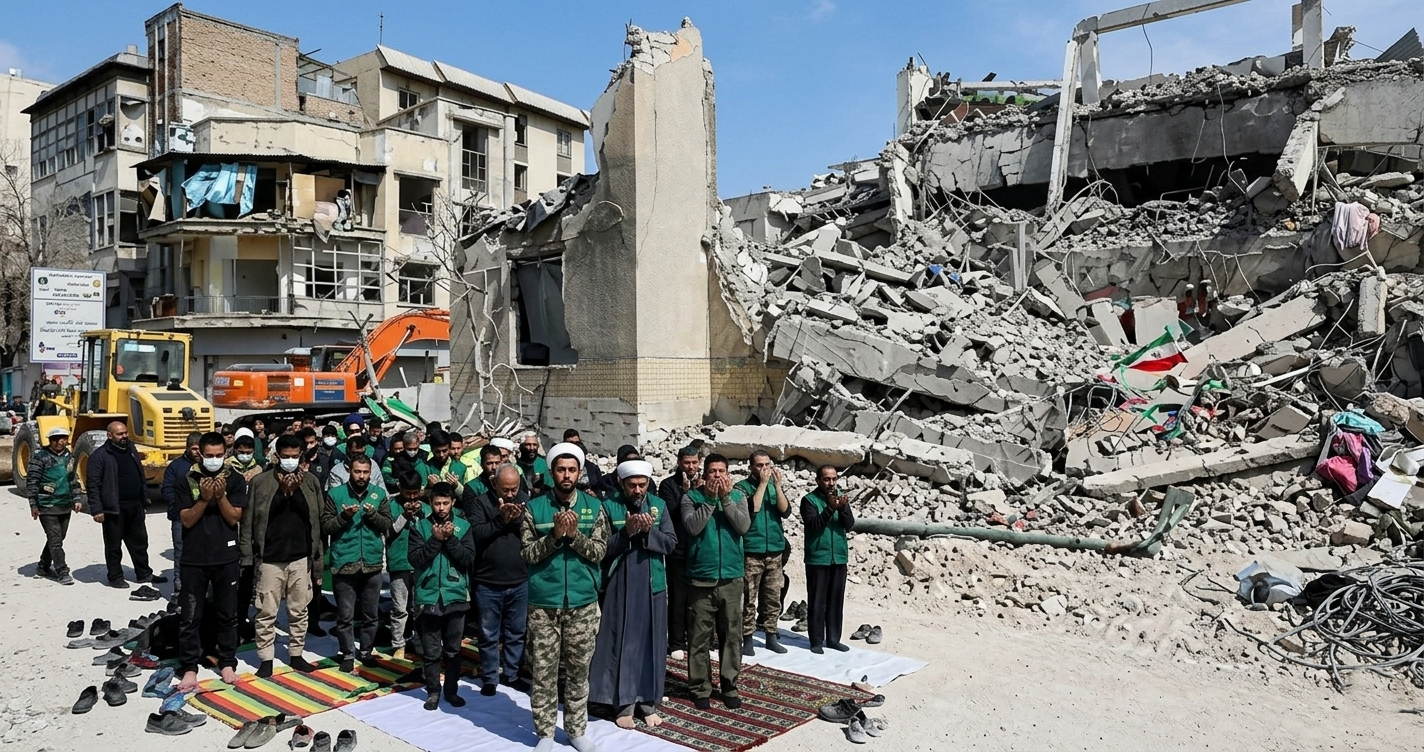
The ceasefire, announced in early April 2026 after weeks of intense military strikes and regional instability, temporarily paused hostilities that began when Israel and the United States launched large-scale attacks on Iranian military infrastructure in late February. Iran responded with missile and drone attacks targeting Israeli positions and US military bases across the region.
Although the truce has created a short window for diplomacy, analysts warn that the situation remains extremely volatile. The Iran ceasefire outlook depends on whether global powers can transform the temporary pause into a broader diplomatic settlement before tensions erupt again.
Origins of the Iran-US-Israel Conflict
The current crisis began when Israeli and American forces carried out coordinated strikes against Iranian facilities that were believed to support missile programs and regional militia networks.
Iran responded with a series of retaliatory strikes across the Middle East, targeting Israeli infrastructure and US-linked military sites. The confrontation quickly escalated into the most serious direct conflict involving the three nations in years.
The fighting also triggered wider regional instability. Shipping routes near the Strait of Hormuz were disrupted, global oil prices surged, and military forces across the Middle East entered high alert.
After weeks of intense military exchanges, international pressure mounted for de-escalation. Diplomats worked urgently to secure a temporary ceasefire that could prevent a broader regional war.
Pakistan’s Diplomatic Role in Securing the Truce
Pakistan emerged as an unexpected but important diplomatic player during the crisis.
Officials in Islamabad reportedly engaged in quiet negotiations between Iranian and American representatives, helping to facilitate communication at a time when tensions were extremely high. The country has maintained relationships with both sides and used those diplomatic channels to encourage a pause in hostilities.
The ceasefire agreement is expected to be followed by preliminary discussions hosted in Pakistan, where negotiators could attempt to build a longer-term framework for de-escalation.
Pakistan’s involvement has highlighted its growing diplomatic relevance in regional security issues.
China and Russia’s Strategic Positions
China and Russia have also played significant roles in shaping the Iran ceasefire outlook.
China, which has strong economic ties with Iran and deep trade interests in the Middle East, pushed heavily for diplomatic engagement. Beijing reportedly conducted extensive diplomatic outreach with regional capitals and global powers to encourage a ceasefire.
For China, stability in the Middle East is crucial because disruptions in energy supply could threaten its economic growth and global trade networks.
Russia, meanwhile, has supported Iran politically while avoiding direct military involvement. Moscow has emphasized diplomatic solutions and criticized Western military actions against Iran.
Both countries see the conflict as part of a broader global power struggle, where influence in the Middle East remains strategically important.
Saudi Arabia’s Calculated Approach
Saudi Arabia has adopted a cautious position throughout the crisis.
The kingdom has historically been a rival of Iran but has also sought to stabilize relations in recent years. Riyadh is concerned that a full-scale regional war would threaten its economic reforms and long-term development plans.
As a result, Saudi leaders have focused on preventing the conflict from spreading across the region. Diplomatic efforts from Gulf states have emphasized the importance of maintaining energy market stability and avoiding disruptions to global oil supplies.
Saudi Arabia’s stance illustrates how regional powers are trying to balance strategic rivalries with economic realities.
What Could Happen During the Two-Week Ceasefire
The two-week truce offers a narrow window for diplomacy but also carries significant risks.
During this period, several developments could shape the Iran ceasefire outlook.
First, negotiations between the United States and Iran could begin in earnest. These discussions may focus on nuclear concerns, regional security, and the reduction of proxy conflicts across the Middle East.
Second, military forces on both sides may use the ceasefire to regroup, repair damaged infrastructure, and reposition strategic assets. This could mean that the truce serves as a temporary pause before renewed confrontation.
Third, regional proxy groups aligned with Iran could continue operating independently. Activities involving militias in Lebanon, Syria, or Iraq could undermine the ceasefire if they trigger retaliatory responses.
Finally, global energy markets will remain sensitive during this period. Any sign of renewed conflict could cause further spikes in oil prices.
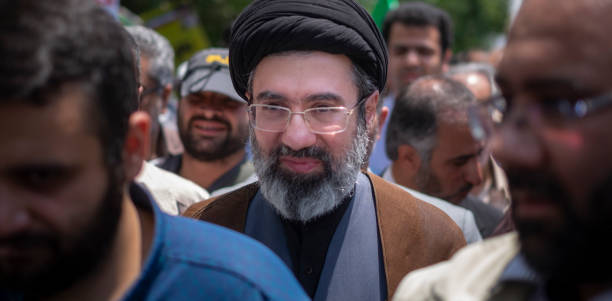
Scenarios After the Ceasefire Ends
The Iran ceasefire outlook largely depends on what happens once the two-week timeline expires.
One possible outcome is a diplomatic breakthrough. If negotiations progress successfully, the temporary truce could evolve into a longer-term ceasefire agreement. This scenario would likely involve international guarantees and mechanisms to prevent further escalation.
Another possibility is a limited return to hostilities. Airstrikes and military actions could resume but remain carefully controlled to avoid triggering a full regional war.
A more dangerous scenario would involve wider regional escalation. If other actors such as militant groups or neighboring countries become directly involved, the conflict could spread across multiple fronts.
Finally, the crisis could evolve into a prolonged geopolitical standoff. Instead of direct war, the conflict might shift toward cyber warfare, economic sanctions, and proxy confrontations across the region.
Global Consequences of the Conflict
The Iran ceasefire outlook carries enormous implications beyond the Middle East.
Energy markets have already reacted strongly to the conflict, with oil prices rising sharply during periods of escalation. Disruptions in the Strait of Hormuz could affect a significant portion of the world’s energy supply.
Global trade routes and aviation networks have also been impacted by security concerns across the region.
Politically, the crisis highlights increasing tensions between major world powers. The United States and its allies remain deeply involved in Middle Eastern security, while China and Russia are seeking to expand their diplomatic and strategic influence.
These dynamics suggest that the conflict is not only about regional rivalries but also about the evolving balance of power in global politics.
A Critical Moment for Middle East Stability
The coming days will be crucial in determining whether the ceasefire becomes a stepping stone toward peace or merely a brief pause in a much larger conflict.
For now, the Iran ceasefire outlook remains uncertain. Diplomatic efforts are underway, but deep mistrust between the parties involved continues to complicate negotiations.
If the two-week window produces meaningful dialogue, it could open the door to broader regional stability. If it fails, the Middle East may face another dangerous escalation with far-reaching consequences for global security and economic stability.
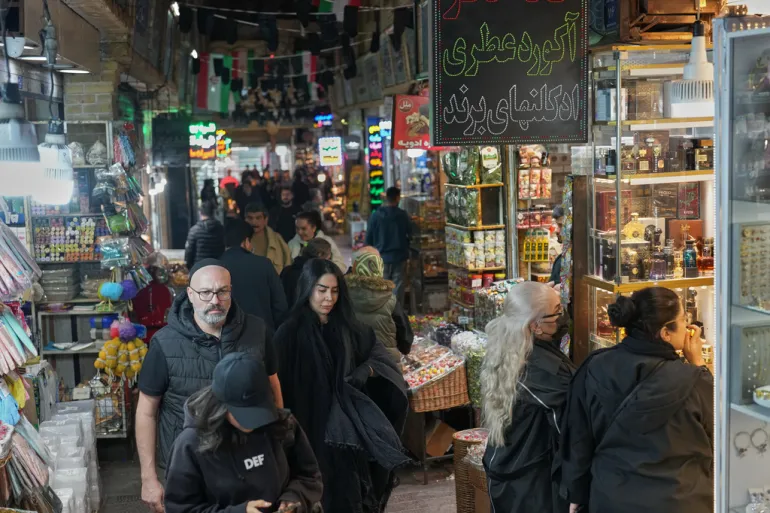
Read more global political coverage in the FFRNews Politics Section. For broader international reporting, visit FFRNEWS External reporting sources include coverage from Reuters, Al Jazeera, and global geopolitical analysis regarding the Iran-US-Israel ceasefire negotiations and regional developments.