Iran Nuclear Talks 2026 have entered a crucial and potentially decisive phase as indirect negotiations between Tehran and the United States resumed in Geneva on Thursday, with both sides under intense pressure to reach an accord on Iran’s nuclear programme. The talks come amid the largest U.S. military buildup in the Middle East since 2003 and rising fears that a breakdown in diplomacy could trigger a broader regional conflict.
The Iranian delegation, led by Abbas Araghchi, and the U.S. delegation, represented by special envoys including Steve Witkoff and Jared Kushner, are engaged in talks mediated by Oman’s foreign minister Badr Albusaidi. The focus of the negotiations is Tehran’s nuclear programme, the lifting of crippling U.S. sanctions, and the broader risk of military action if diplomacy fails.
Strategic Background: Why the Talks Matter
Iran Nuclear Talks 2026 are set against an extraordinary geopolitical backdrop featuring:
- A massive U.S. military buildup, including aircraft carriers, warships, and advanced fighter jets in the Middle East.
- Public warnings from U.S. leaders that failure to reach a deal “in the coming weeks” could result in military action.
- Domestic pressure in Iran due to economic hardship and widespread public unrest.
- Longstanding Western and Israeli concerns that Iran’s uranium enrichment could provide a pathway to nuclear weapons.
This confluence of diplomatic urgency and military muscle makes the Geneva talks one of the most consequential efforts to avert conflict in the Middle East in 2026.
Tehran Signals Flexibility
Iran has signalled that it will enter the Geneva negotiations with “seriousness and flexibility,” according to a spokesperson from the Iranian Foreign Ministry. Tehran insists the talks will focus on its nuclear programme and the prospect of sanctions relief rather than broader issues such as ballistic missiles or regional proxy activities.
Foreign Minister Araghchi and his team are reportedly prepared to explore various options, including:
- Potential constraints on enriched uranium stockpiles
- Enhanced transparency measures
- Discussions on regional verification mechanisms
However, Tehran maintains that it will not relinquish its sovereign right to enrich uranium for peaceful purposes, a position that has been a longstanding red line in previous negotiations.
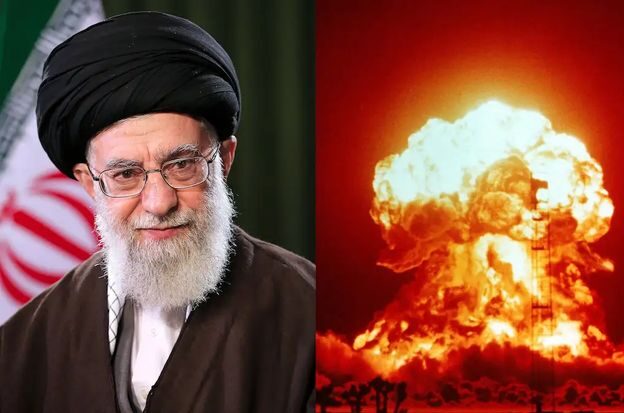
The Iranian leadership also continues to stress that it does not intend to pursue nuclear weapons, reaffirming a religious edict prohibiting them — an assertion reiterated by President Masoud Pezeshkian in advance of the talks.
U.S. Position and Continued Pressure
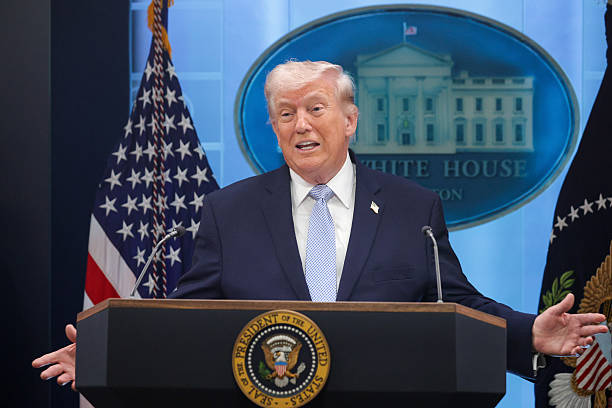
President Donald Trump and U.S. officials have tied the future of Iran Nuclear Talks 2026 to both diplomatic efforts and the potential for military action if those efforts fail. Trump has said publicly that “bad things” could happen if Tehran does not agree to a deal within a set timeframe.
The U.S. position includes demands that go beyond nuclear enrichment limits, with some officials — such as Secretary of State Marco Rubio — asserting that ballistic missiles should eventually be on the negotiating agenda.
The combination of persistent military pressure and ongoing diplomacy reflects Washington’s dual strategy of deterrence and negotiation.
Regional and International Stakes
If the Iran Nuclear Talks 2026 result in an agreement, the consequences could be far-reaching:
- Reduced regional tensions — Easing the immediate threat of military conflict across the Middle East.
- Economic relief for Iran — Potential lifting of sanctions could help stabilize Tehran’s struggling economy.
- Energy market impact — A deal could calm volatility in global oil markets.
Conversely, failure to reach a ceasefire or deal may escalate tensions, potentially involving U.S. allies and Iran’s network of regional partners — factors that could have ripple effects well beyond the region.
Some analysts also highlight potential diplomatic innovations, such as multilateral enrichment mechanisms and creative verification frameworks, that could bridge some of the gaps between Tehran and Washington.
Internal Dynamics in Iran
Iran’s leadership is facing internal challenges that intersect with its stance at the negotiating table. Economic sanctions have weakened the economy, and public discontent has fueled protests that remain politically sensitive for the regime.
These domestic pressures may be encouraging Tehran to consider diplomatic compromises — particularly if sanctions relief can deliver economic breathing room without ceding core principles on uranium enrichment.
What Happens Next?
As the Iran Nuclear Talks 2026 continue, both sides have signalled conditional optimism but remain cautious.
Key unresolved issues:
- The degree to which Iran may constrain enrichment
- Sequencing and scope of sanctions relief
- The U.S. insistence on broader non-proliferation commitments
Diplomatic observers believe these talks represent a significant opportunity for de-escalation, but a breakthrough will require pragmatic compromise on deeply contested issues.
If diplomacy falters, analysts warn that military threats could intensify, raising the spectre of open conflict in the region.
This report on the Iran Nuclear Talks 2026 is based on live reporting from Reuters, AP News, and other international media outlets covering the resumption of indirect negotiations in Geneva and the surrounding geopolitical dynamics. Key developments and quotes have been sourced from news reports published on February 26, 2026, capturing both official diplomatic statements and military positioning in the Middle East.