Iran US nuclear talks are gaining renewed momentum as Tehran signals progress toward restarting negotiations with Washington, raising hopes that diplomacy may once again replace the threat of military confrontation in the Middle East. Iranian officials say regional mediators are facilitating indirect exchanges, with a potential framework for talks expected within days.
The developments come after weeks of heightened tension between Iran and the United States, marked by military deployments, sharp rhetoric, and the fallout from deadly protests inside Iran earlier this year. While uncertainty remains, officials on both sides appear to be stepping back from the brink.
Tehran Signals Readiness for Diplomatic Framework
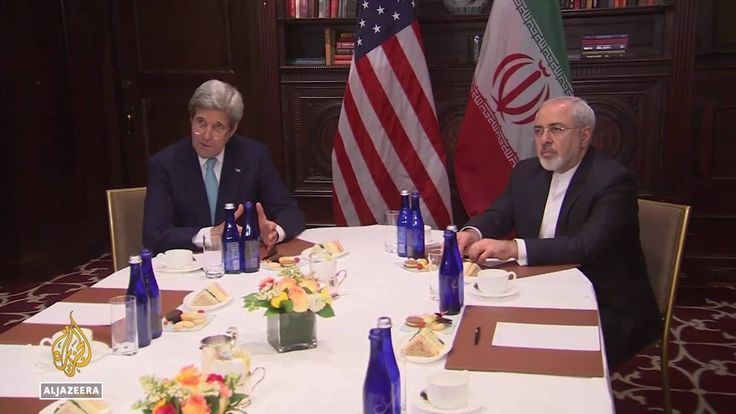
Iran’s Foreign Ministry confirmed on Monday that the country is actively reviewing diplomatic proposals from regional actors aimed at easing tensions with the United States. Speaking at a weekly press conference in Tehran, Foreign Ministry spokesperson Esmaeil Baghaei said indirect negotiations are already underway.
According to Baghaei, several regional countries are acting as intermediaries, exchanging messages between Tehran and Washington in an effort to lay the groundwork for renewed dialogue. He noted that multiple points have already been discussed and that Iran hopes to finalise the details of a diplomatic framework in the coming days.
This cautious optimism marks a notable shift in tone following months of stalled diplomacy and rising fears of escalation.
Iran US Nuclear Talks Revived After Military Standoff
The renewed push for Iran US nuclear talks follows a tense period in which the threat of military conflict loomed large. In January, the United States deployed warships and fighter jets to the Middle East after Iranian authorities violently suppressed mass protests triggered by economic collapse and currency devaluation.
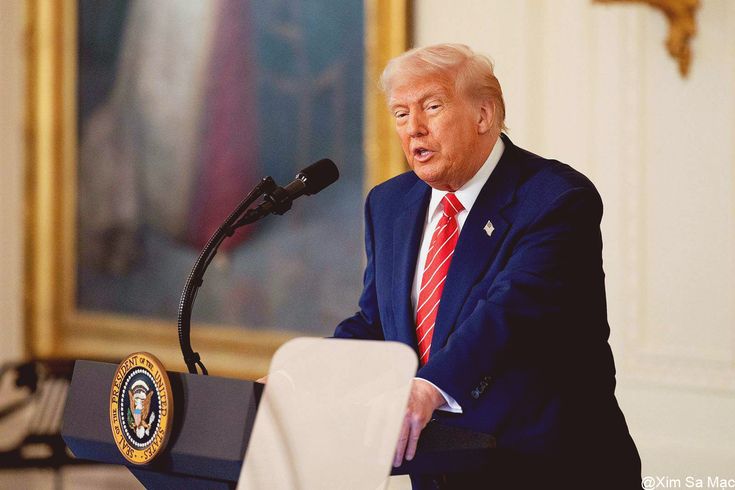
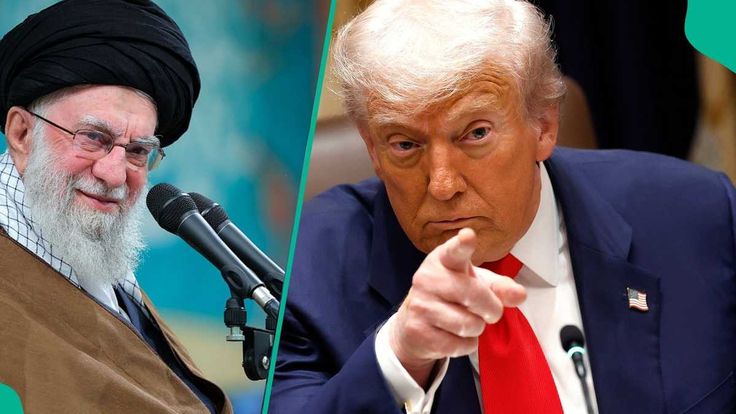
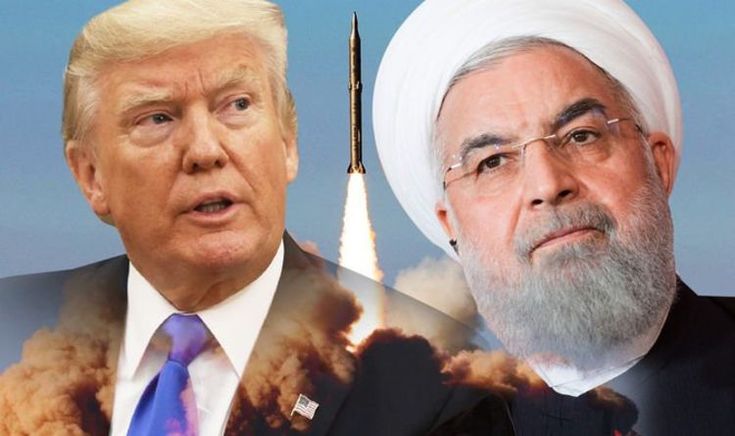
Despite the show of force, US President Donald Trump later called for Iran to strike a deal, urging Tehran to return to negotiations over its nuclear programme. Talks had previously collapsed in June after Israeli strikes on Iran were followed by US attacks on Iranian nuclear facilities.
On Sunday, Trump confirmed that Washington was “talking” with Tehran, signalling a shift from confrontation toward engagement.
Regional Powers Step In as Mediators
Regional diplomacy has played a central role in reviving Iran US nuclear talks. Iran’s state news agency IRNA reported that Foreign Minister Abbas Araghchi held telephone discussions with counterparts in Saudi Arabia, Egypt, and Turkiye to review the evolving situation.
These diplomatic efforts underscore the concern among regional powers that another US-Iran confrontation could destabilise the wider Middle East. Countries with close ties to both Tehran and Washington appear eager to prevent escalation and preserve regional stability.
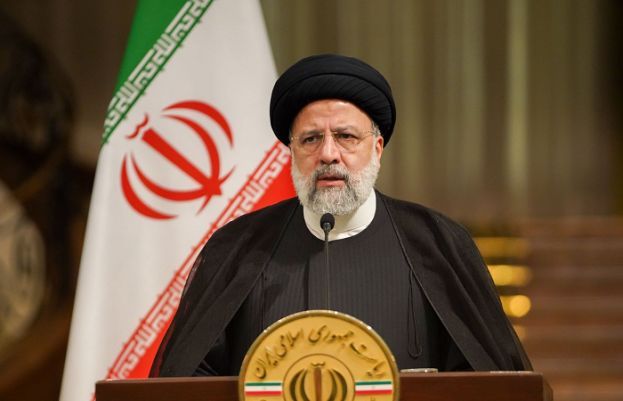
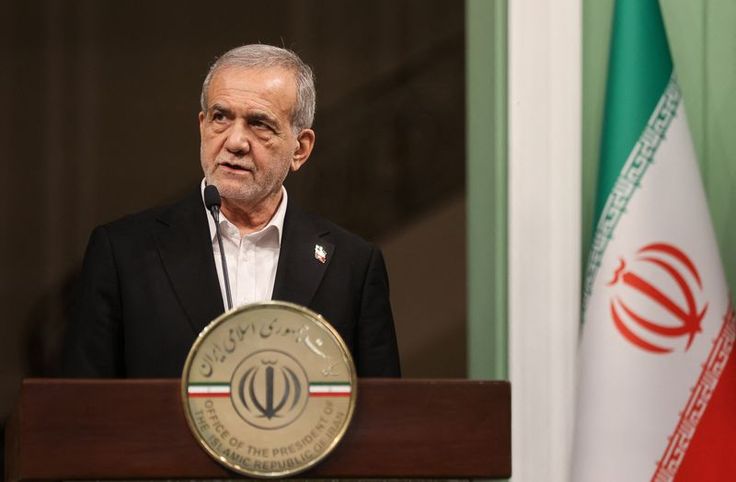
Later reports from Iran’s semi-official Fars news agency suggested that President Masoud Pezeshkian had ordered the resumption of nuclear negotiations, though the claim has not been independently verified.
Unconfirmed Reports of High-Level Negotiations
Iranian media outlets have also reported that Foreign Minister Araghchi is expected to meet US envoy Steve Witkoff as part of the renewed diplomatic push. The Tasnim news agency cited unnamed sources saying negotiations were imminent, though neither government has formally confirmed a meeting.
While such reports remain speculative, their widespread circulation suggests growing confidence within Iran that talks are moving forward.
At the same time, Washington has maintained a cautious stance, avoiding public confirmation while keeping military assets positioned in the region.
US Conditions Cast Shadow Over Talks
Despite the apparent progress, Iran US nuclear talks face significant hurdles. According to Iranian sources cited by Reuters, the United States has set strict conditions for restarting negotiations.
These reportedly include demands that Iran end uranium enrichment, curtail its ballistic missile programme, and halt support for allied armed groups across the region. Tehran has historically treated missile development and regional alliances as non-negotiable issues, even when showing flexibility on the nuclear file.
Iranian officials have not publicly responded to these demands, leaving questions about whether compromise is possible.
Economic Pressure Drives Tehran’s Calculations
Iran’s willingness to re-engage in diplomacy is widely seen as driven by urgent economic pressures. Sanctions have battered the Iranian economy, contributing to soaring inflation, currency collapse, and widespread public discontent.
The protests that erupted in January, during which thousands were reportedly killed, highlighted the depth of domestic frustration. Analysts believe Tehran is keen to secure sanctions relief to stabilise the economy and prevent further unrest.
However, conceding too much in negotiations could also provoke backlash from hardliners within the Iranian political system.
Supreme Leader Maintains Defiant Tone
Even as diplomats work behind the scenes, Iran’s Supreme Leader Ayatollah Ali Khamenei has struck a defiant public posture. On Sunday, he warned that any attack on Iran would trigger a “regional war,” reinforcing Tehran’s readiness to respond militarily if provoked.
This dual-track approach — diplomacy coupled with deterrence — reflects Iran’s long-standing strategy in dealing with the United States.
European Union Adds New Complications
Further complicating the landscape, the European Union last week designated Iran’s Islamic Revolutionary Guard Corps (IRGC) as a terrorist organisation. Tehran responded by summoning EU envoys and warning of potential countermeasures.
The move has strained Iran’s already tense relations with Europe and could impact broader diplomatic efforts tied to Iran US nuclear talks.
Uncertain Road Ahead for Iran US Nuclear Talks
While the latest signals suggest a thaw, the path forward remains uncertain. Deep mistrust, unresolved conditions, and ongoing regional tensions continue to cast doubt over the durability of any agreement.
Still, the fact that both Tehran and Washington are exploring diplomatic channels marks a significant shift from recent weeks, when military confrontation seemed increasingly likely.
Whether this moment leads to a lasting breakthrough or another stalled process will depend on how much flexibility each side is willing to show in the days ahead.
This report is part of FFRNEWS World & Middle East coverage, tracking major geopolitical developments and nuclear diplomacy. Reporting and factual details are based on coverage by Al Jazeera, with additional context from Reuters and regional diplomatic briefings.