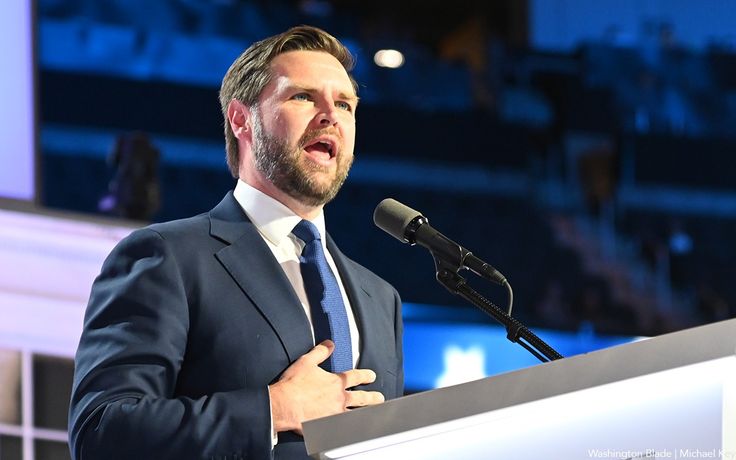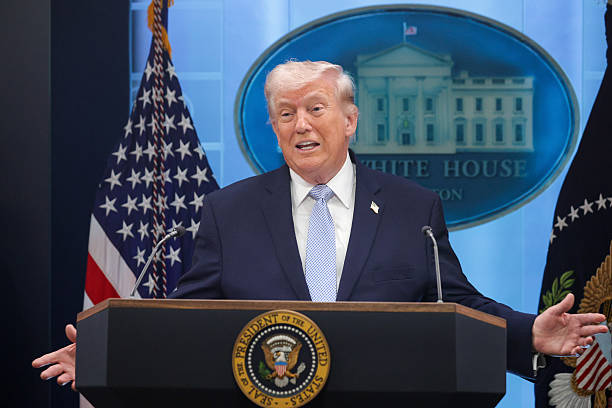
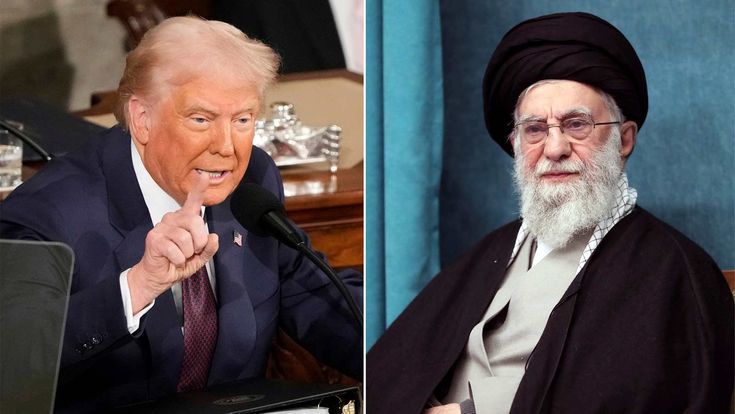
Iran US talks are once again at the center of global political attention as Tehran and Washington prepare to meet in Oman for renewed nuclear negotiations. The upcoming discussions mark a potentially decisive moment after months of escalating rhetoric, military posturing, and fears of a broader regional conflict. With both sides signaling a willingness to de-escalate, the Oman talks could redefine the trajectory of one of the world’s most complex diplomatic rivalries.
The decision to hold talks in Oman is not accidental. The Gulf nation has long served as a discreet and trusted mediator between Iran and the United States, providing neutral ground for sensitive negotiations. This time, Tehran has reportedly requested that discussions remain tightly focused on the nuclear programme, deliberately avoiding wider disputes such as ballistic missiles and Iran’s regional alliances. That narrow agenda suggests a pragmatic shift aimed at rebuilding trust step by step rather than attempting an all-encompassing deal.
Why Oman Matters in Iran US Talks
Oman has played a quiet but crucial role in past Iran US diplomacy, including the secret backchannel talks that eventually led to the 2015 nuclear agreement. Its reputation for neutrality, combined with strong ties to both Washington and Tehran, makes it one of the few places where both sides feel comfortable engaging openly.
By choosing Oman again, Iran US talks gain an environment conducive to compromise rather than confrontation. Analysts believe this setting increases the chances of progress, especially at a time when tensions remain high across the Middle East. The choice of venue also sends a message to regional powers that diplomacy, not war, remains the preferred path forward.
A Shift in Tone After Months of Escalation
The renewed Iran US talks come after a dangerous period marked by threats of military action, sanctions pressure, and regional instability. Earlier this year, US naval deployments in the Middle East and warnings from Iran’s leadership raised fears that miscalculation could lead to open conflict.
However, recent statements from both sides suggest a notable shift. Washington has emphasized that diplomacy remains the best option to address concerns over Iran’s nuclear activities, while Tehran has indicated it is open to dialogue if talks are conducted with respect and clear boundaries. The Oman meeting reflects this mutual recognition that continued escalation benefits neither side.
Narrow Focus on the Nuclear Programme
One of the most significant aspects of the upcoming Iran US talks is the decision to concentrate exclusively on nuclear issues. Iran has reportedly made it clear that discussions should avoid its missile programme and regional influence, topics it considers non-negotiable.
This approach mirrors early stages of previous successful negotiations, where limited objectives helped build momentum. By addressing nuclear concerns first, both sides may be able to establish confidence-building measures that could later pave the way for broader dialogue.
For the United States, the priority remains preventing Iran from developing nuclear weapons. For Iran, the nuclear talks are closely tied to sanctions relief, which Tehran urgently needs to stabilize its economy and ease domestic pressure.
Sanctions Relief and Economic Pressures
Economic realities are a driving force behind Iran’s willingness to re-engage. Years of sanctions have severely impacted Iran’s economy, contributing to inflation, currency depreciation, and public unrest. Iranian officials have repeatedly stated that meaningful progress in Iran US talks must include steps toward sanctions relief.
From Washington’s perspective, sanctions remain a key leverage tool. Any easing of restrictions is likely to be tied to verifiable commitments from Iran regarding uranium enrichment levels and international inspections. The Oman talks will test whether both sides can find a balance between economic relief and security guarantees.
Regional Stakes and Global Attention
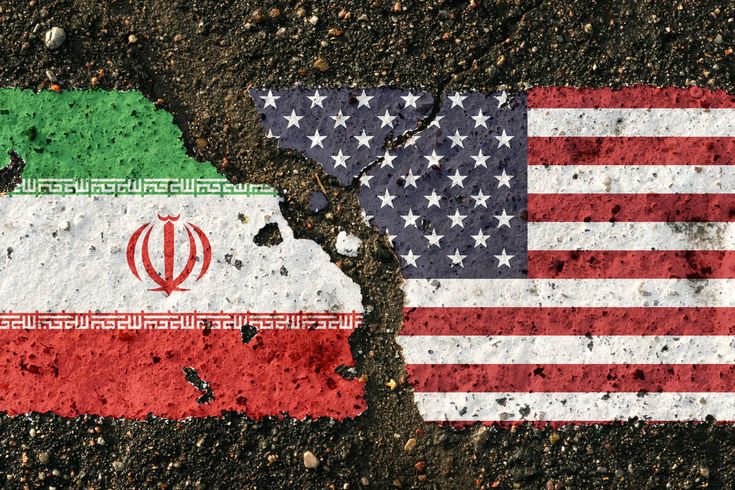
The outcome of Iran US talks extends far beyond the two countries involved. Regional powers such as Saudi Arabia, Israel, and the United Arab Emirates are closely watching developments, aware that any agreement could alter the balance of power in the Middle East.
A successful diplomatic breakthrough could reduce the risk of proxy conflicts and military escalation across the region. Conversely, failure could reinforce hardline positions and increase the likelihood of confrontation. This is why international actors, including the European Union and Russia, have expressed support for renewed dialogue.
Domestic Politics on Both Sides
Internal political dynamics also shape the prospects of Iran US talks. In the United States, any agreement with Iran faces scrutiny from lawmakers who remain skeptical of Tehran’s intentions. Domestic political pressures could limit how far the US administration is willing to go in offering concessions.
In Iran, leadership must balance diplomatic engagement with maintaining a stance of resistance against perceived Western pressure. By framing the talks as focused and limited, Iranian officials can present diplomacy as a strategic choice rather than a sign of weakness.
Risks and Opportunities Ahead
Despite cautious optimism, significant challenges remain. Decades of mistrust cannot be erased overnight, and even small disagreements could derail progress. Verification mechanisms, timelines, and enforcement measures are likely to be contentious points in the negotiations.
Still, the mere fact that Iran US talks are taking place is itself a positive development. Diplomacy offers a path away from the brinkmanship that has defined relations in recent months. If successful, the Oman talks could stabilize not only Iran US relations but also broader regional dynamics.
What Comes Next After Oman
Should the talks yield progress, follow-up meetings and technical discussions are expected to continue. Confidence-building steps, such as limited sanctions relief or temporary freezes on certain nuclear activities, could serve as early indicators of success.
If talks stall, however, tensions could quickly resurface. Both sides have made clear that diplomacy has limits, and failure could lead to renewed pressure campaigns or military posturing. The stakes are high, and the world will be watching closely.
A Critical Moment for Diplomacy
The upcoming Iran US talks in Oman represent a pivotal moment in international diplomacy. At a time when global conflicts are multiplying, the willingness of two long-standing adversaries to sit at the table offers a rare glimmer of hope.
Whether this moment leads to lasting change or another missed opportunity will depend on the choices made in the coming days. For now, diplomacy remains alive, and that alone is a significant development in the Iran US relationship.
This report is part of FFRNEWS Politics coverage, focusing on global diplomacy and international security developments shaping the Middle East. Context and developments in this article draw on reporting from Al Jazeera, which detailed Iran’s expectation of progress toward renewed nuclear talks in Oman, along with statements from Iranian and US officials signaling a shift toward de-escalation. Additional background and regional analysis are supported by ongoing coverage from international diplomatic correspondents tracking Iran–US relations and nuclear negotiations.