
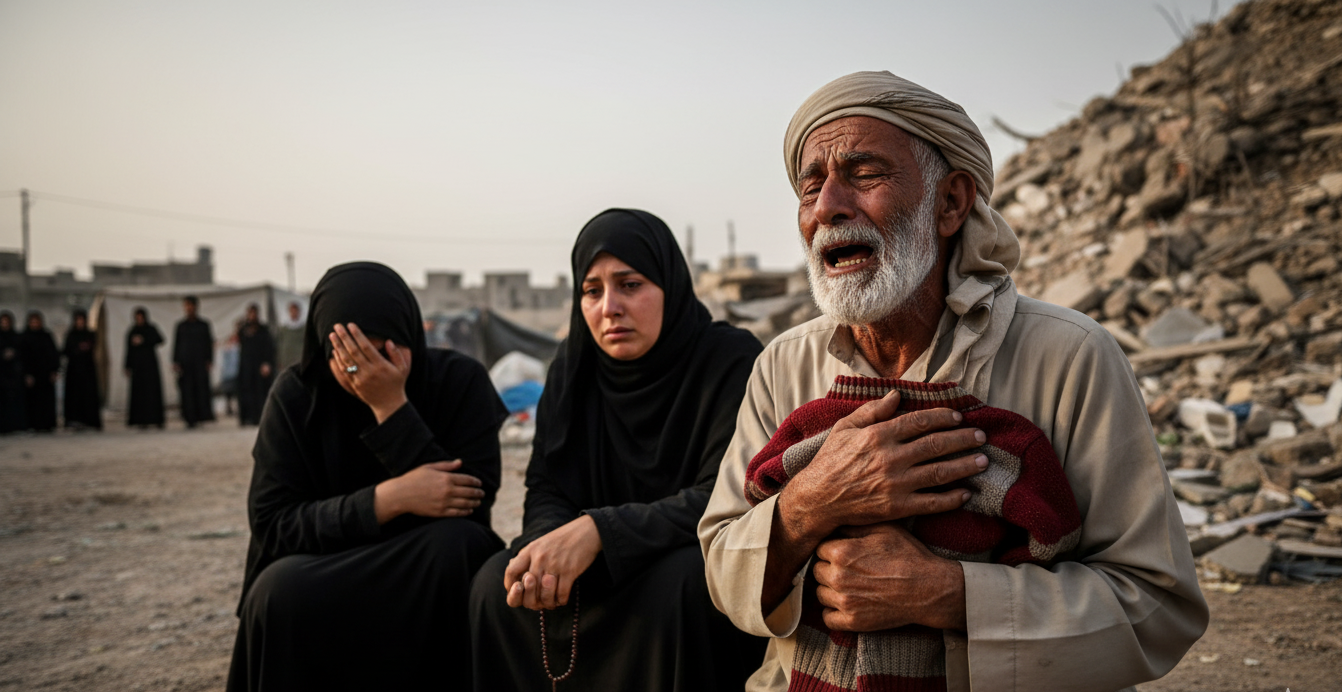
Israel kills 11 Palestinian family members in Gaza City, marking the deadliest violation of the fragile ceasefire between Israel and Hamas since it began eight days ago. The attack, which struck a civilian vehicle in the Zeitoun neighbourhood, has drawn international outrage and renewed fears that the truce may soon collapse.
According to Gaza’s Civil Defence, the strike occurred on Friday evening when an Israeli tank shell hit a car carrying the Abu Shaaban family. Eleven people were killed instantly, including seven children and three women. The victims were reportedly attempting to return home to inspect the damage after previous bombardments when the shell struck.
Civil defence spokesperson Mahmoud Basal described the incident as a “massacre,” condemning Israel’s continued targeting of civilians despite the ceasefire agreement. “They could have been warned or dealt with differently,” Basal said. “What happened confirms that the occupation is still thirsty for blood and insists on committing crimes against innocent civilians.”
Hamas officials echoed this sentiment, calling the attack a deliberate provocation designed to undermine the truce. The group urged the United States and international mediators to pressure Israel into honouring the ceasefire terms, warning that continued violations could trigger renewed hostilities across the Gaza Strip.
The strike comes amid rising frustration among Gaza residents who say they are struggling to survive even as the ceasefire remains technically in effect. Food shortages, restricted aid deliveries, and a lack of medical supplies have left millions in desperate conditions. According to the United Nations, nearly half of Gaza’s population now has access to less than six litres of drinking water per day — far below emergency survival standards.
Meanwhile, Israeli forces continue to control approximately 53 percent of Gaza, despite the ceasefire’s condition that they withdraw behind designated “yellow lines.” Al Jazeera’s Hind Khoudary reported that many civilians are unaware of where these lines lie, leaving them vulnerable to being shot at if they cross into restricted zones.
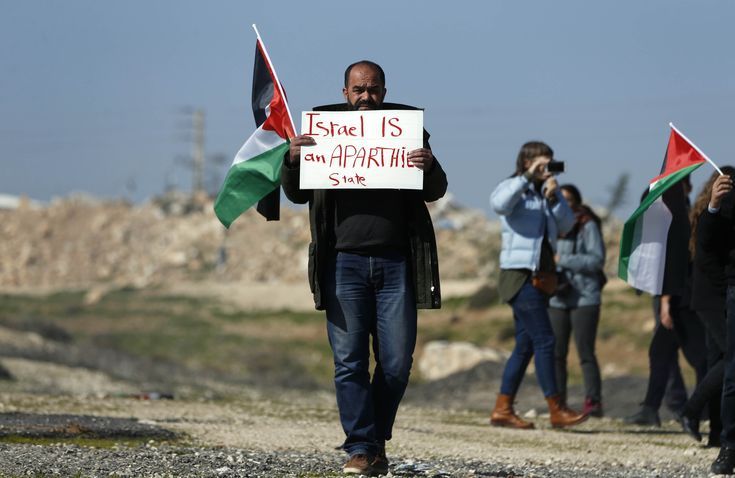
Israeli Defence Minister Israel Katz said the boundaries would soon be clearly marked, but critics argue that enforcement measures remain unclear. The lack of communication and transparency has deepened civilian suffering, as families attempt to move cautiously through areas still occupied or patrolled by Israeli troops.
Since the start of the ceasefire, Israel has killed at least 28 Palestinians, according to local health authorities, while severely limiting the flow of humanitarian aid into Gaza. The World Food Programme reports that only about 560 tonnes of food are entering the enclave daily — a fraction of what is required to prevent famine.
Hamas, for its part, insists that it remains committed to the truce, continuing to hand over the remains of Israeli captives recovered from beneath Gaza’s rubble. On Friday evening, the group returned another body, bringing the total to ten since the ceasefire began. However, Hamas claims that Israel’s blockade on heavy equipment and excavation machinery has made it nearly impossible to recover more bodies.
Reporting from Gaza City, Al Jazeera’s Hani Mahmoud said that by preventing heavy machinery from entering, Israel is “creating immense difficulties for residents who are capable and willing to dig out the bodies of their loved ones but lack the proper tools.”
International observers warn that this latest attack — in which Israel kills 11 Palestinian family members — may signal a turning point in the fragile truce. Without stronger international pressure and guaranteed humanitarian access, Gaza risks sliding back into full-scale conflict. The humanitarian situation, already catastrophic, continues to deteriorate under siege conditions, with thousands displaced and entire neighbourhoods reduced to rubble.
As global leaders call for restraint and adherence to ceasefire commitments, Gaza’s civilians continue to pay the highest price — trapped between political stalemate, collapsing infrastructure, and unending violence.
Source: Al Jazeera