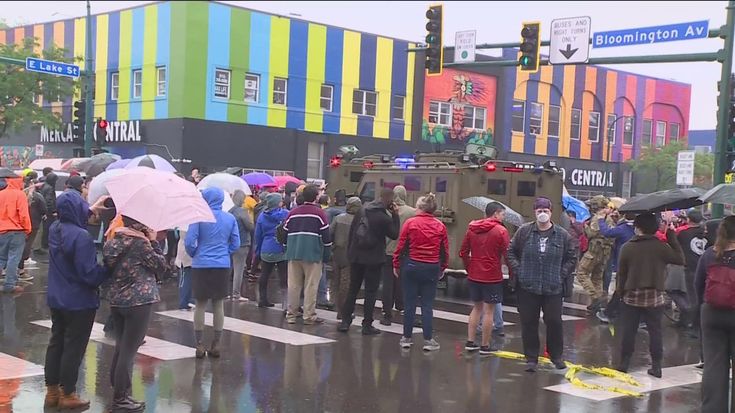
The Minneapolis ICE protests intensified over the weekend as thousands of demonstrators took to the streets following the fatal shooting of a woman by a US Immigration and Customs Enforcement agent. Authorities confirmed that dozens of arrests were made amid clashes, while protests spread to several major US cities.
The demonstrations erupted after 37-year-old Renee Nicole Good was shot and killed while sitting in her car during an immigration enforcement operation earlier this week. The incident has sparked outrage, renewed debate over federal immigration tactics, and intensified scrutiny of ICE operations nationwide.
Despite freezing temperatures, large crowds gathered in Minneapolis for a second consecutive night, with city officials emphasizing that most protesters remained peaceful.
What Sparked the Minneapolis ICE Protests
The protests began after Renee Nicole Good was shot on Wednesday during what federal officials described as a law enforcement encounter. ICE has stated that the agent involved acted in self-defence, claiming Good attempted to use her vehicle as a weapon.
Local officials in Minneapolis have strongly disputed that account. Mayor Jacob Frey said evidence suggested Good was attempting to leave the scene rather than harm an officer, calling the federal narrative misleading.
Videos circulating online show ICE agents approaching Good’s vehicle and ordering her to exit before shots were fired as the SUV began to move. The vehicle later crashed nearby.
The FBI has launched a federal investigation, though Minnesota officials have said they were initially excluded from the process, prompting the state to open its own inquiry.
Protests Grow as Arrests Are Made
City officials said at least 30 people were arrested during the weekend protests. One police officer sustained minor injuries after being struck by a piece of ice thrown during clashes, though no serious injuries were reported.
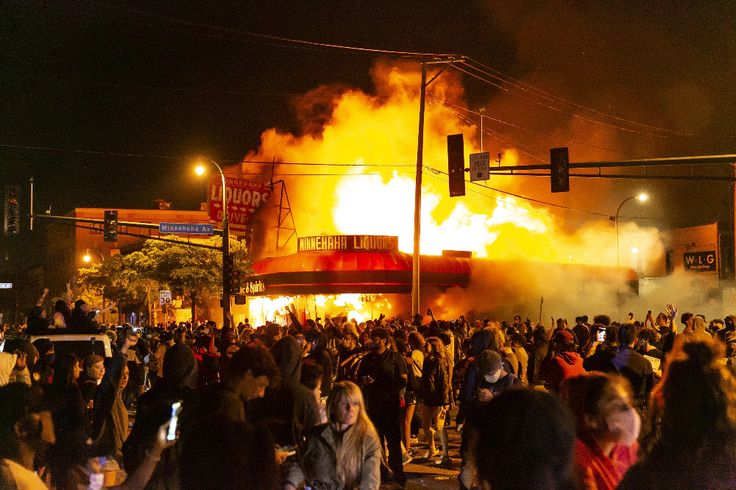
On Friday night, Minneapolis police declared an unlawful assembly near a downtown hotel where ICE agents were believed to be staying. Officers said several hundred people gathered, and some protesters forced entry through an alley entrance.
Police reported that ice, snow, rocks, and other objects were thrown at officers and vehicles. Property damage, including broken windows and graffiti, was reported at multiple locations.
Despite the disturbances, city leaders emphasized that the overwhelming majority of demonstrators acted peacefully.
Demonstrations Spread Nationwide
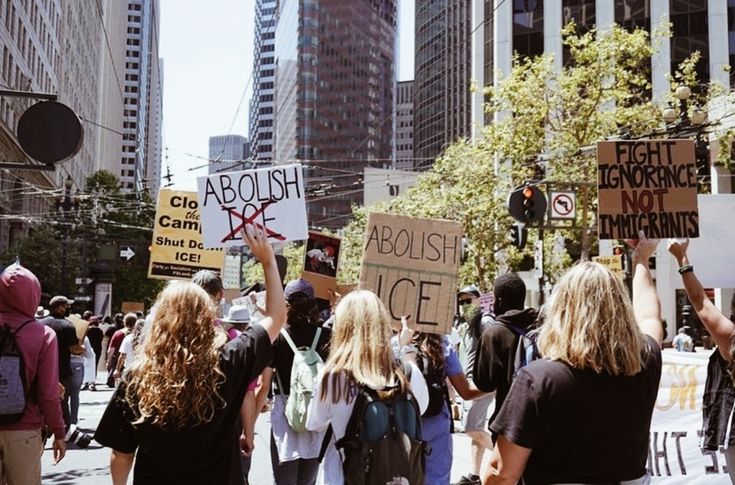
The Minneapolis ICE protests were part of a broader wave of demonstrations across the United States. Similar rallies were reported in Austin, Seattle, New York, and Los Angeles, reflecting widespread anger over immigration enforcement practices and the use of force by federal agents.
Many protesters voiced frustration with ICE’s presence in local communities. Minneapolis Police Chief Brian O’Hara said his department has received dozens of calls daily from residents concerned about ICE activity in the state.
The protests have reignited national debate about federal authority, local oversight, and the role of immigration enforcement in civilian spaces.
Lawmakers Clash With Federal Authorities
Tensions escalated further when three Democratic members of Congress from Minnesota attempted to tour an ICE facility in Minneapolis on Saturday. Representatives Ilhan Omar, Kelly Morrison, and Angie Craig said they were initially allowed inside before being ordered to leave.
The lawmakers accused ICE and the Department of Homeland Security of obstructing congressional oversight.
“The public deserves transparency about what is happening inside ICE facilities,” Omar said in a social media post, while Craig accused federal agencies of violating oversight laws.
ICE officials have not publicly responded to those claims.
Conflicting Accounts of the Shooting
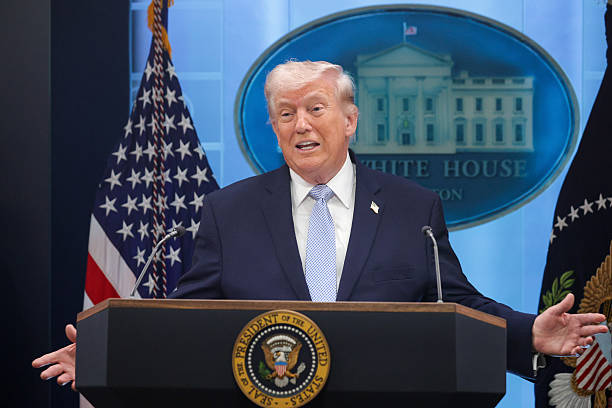
The circumstances surrounding Renee Nicole Good’s death remain contested. Homeland Security Secretary Kristi Noem said the ICE agent fired after Good attempted to run him over with her vehicle.
Mayor Frey rejected that assertion, saying video evidence showed Good attempting to drive away from the scene. He said portraying the incident as an attack on an officer was inaccurate.
Court records indicate the agent involved, Jonathan Ross, is a veteran ICE officer who was previously injured after being struck by a vehicle in an earlier incident. Investigators are now examining whether that history influenced his response.
Community Anger and Fear
Good’s wife told local media that the couple had gone to the area to support neighbours affected by immigration enforcement. Community members say the shooting has deepened fear and mistrust, particularly among immigrant families.
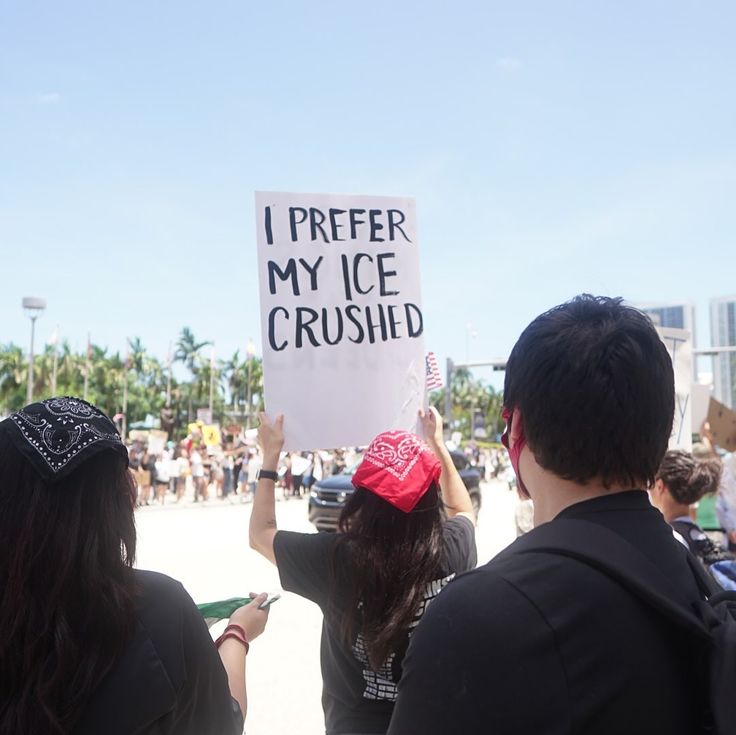
Activists argue that aggressive enforcement tactics increase the risk of violence and undermine community safety. Protesters have called for accountability, independent investigations, and reforms to ICE’s operational practices.
The Minneapolis ICE protests are now being viewed as a flashpoint in the broader national conversation on immigration enforcement and police accountability.
What Comes Next
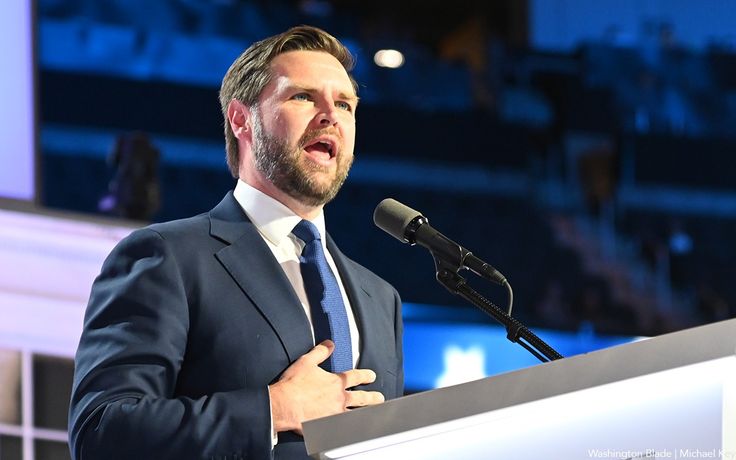
The FBI continues to investigate the shooting, while Minnesota officials pursue a parallel inquiry after saying they were sidelined by federal authorities. The US vice-president has said the case falls under federal jurisdiction, a position that has drawn criticism from state leaders.
As investigations continue, city officials say they are preparing for additional demonstrations in the coming days. Mayor Frey has urged residents to protest peacefully while warning that violence or property damage will result in arrests.
This report on the Minneapolis ICE protests is part of ongoing coverage by FFRNEWS Politics, where developments in civil unrest, immigration policy, and law enforcement actions are closely monitored. Details of the incident and protests were originally reported by BBC News, which continues to follow the federal investigation and nationwide response.