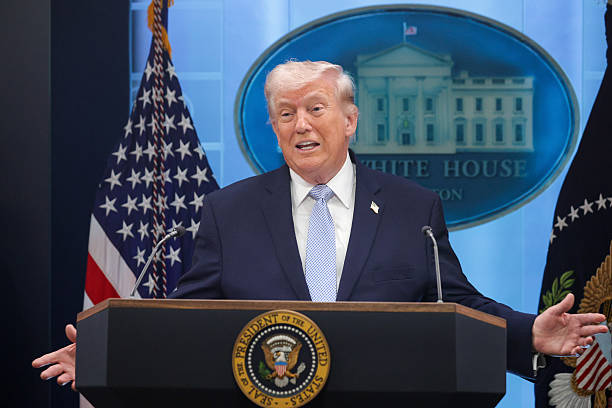
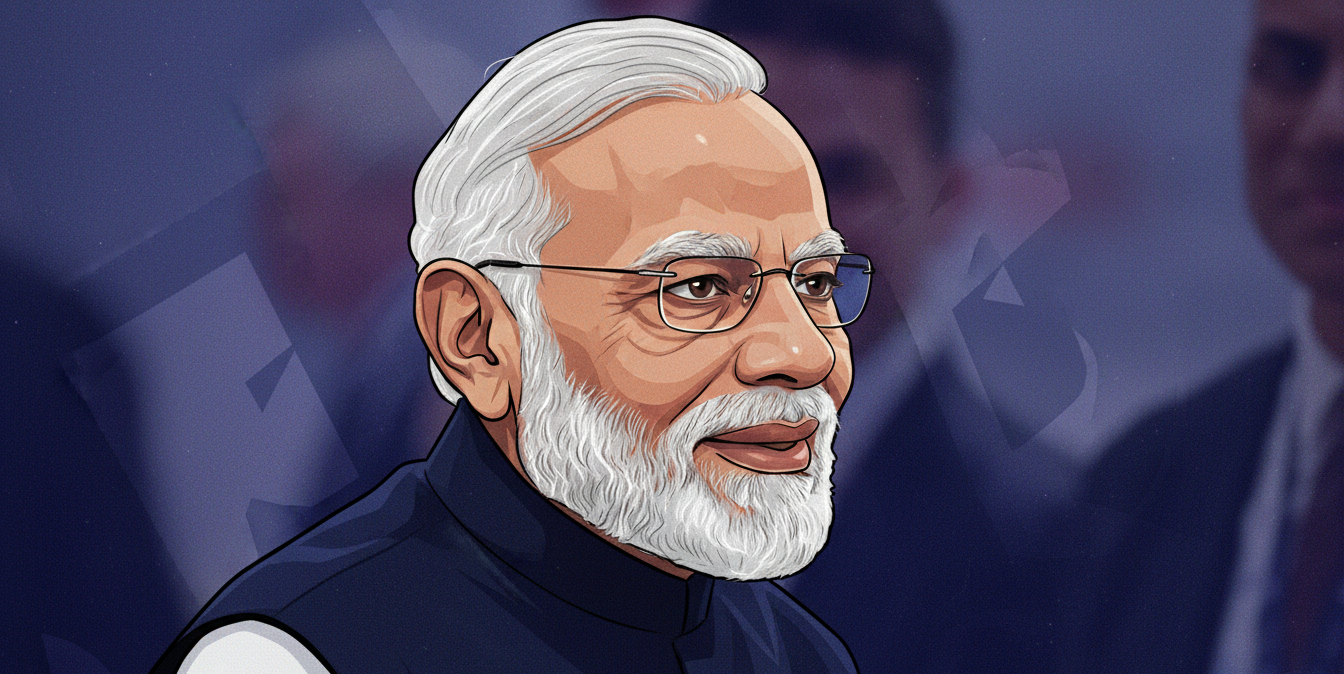
The Modi Russian Oil Ban controversy has sparked a diplomatic storm after India’s foreign ministry rejected U.S. President Donald Trump’s claim that Prime Minister Narendra Modi had agreed to halt Russian oil imports. The statement, which Trump made publicly from the White House, has not only surprised officials in New Delhi but also raised fresh questions about U.S.-India communication and trust at a critical geopolitical moment.
On Wednesday, Trump told reporters that Modi had “assured” him that India would soon stop buying Russian oil, a move Washington has long urged in its campaign to economically isolate Moscow following the invasion of Ukraine. But India’s Ministry of External Affairs (MEA) responded quickly, saying it was “not aware of any such conversation between the two leaders.”
The contradiction between Trump’s claim and India’s denial has turned into a headline-grabbing moment, exposing how fragile international diplomacy can become when public remarks outpace private negotiations. India, which has become one of Russia’s largest energy customers since 2022, continues to import discounted crude oil — a crucial factor in stabilizing its domestic energy prices.
The Modi Russian Oil Ban narrative caught global attention not only because of the alleged phone call but also because it reflects a deeper friction in U.S.-India relations. For Washington, India’s energy partnership with Moscow undermines efforts to starve Russia’s war machine of funding. For New Delhi, however, Russian oil remains an affordable necessity for a rapidly developing economy still recovering from global inflation shocks.
A spokesperson for India’s foreign ministry reiterated that “our import policies are guided entirely by the interests of the Indian consumer in a volatile energy market.” The response implied that India’s decisions on crude imports are based on economics, not external pressure — a statement that subtly challenges U.S. expectations.
Trump’s comments, though lacking confirmation, align with his administration’s more aggressive stance on Russia. The U.S. government has already increased pressure on countries continuing to buy Russian energy, including sanctions targeting intermediaries and refineries. A White House official later told reporters that Trump plans to speak directly with Russian President Vladimir Putin this week — a call expected to influence Washington’s next diplomatic steps.
The confusion surrounding the Modi Russian Oil Ban has triggered speculation among analysts about whether Trump’s remarks were premature, miscommunicated, or politically motivated. International relations expert Dr. Anita Varma noted, “It’s possible that discussions are ongoing, but not finalized. India rarely confirms such diplomatic exchanges publicly until agreements are formal.”
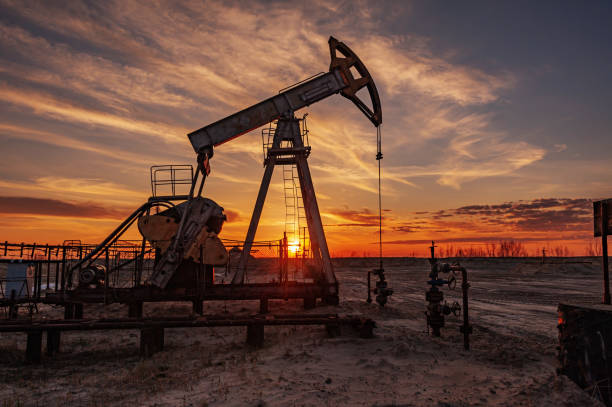
India’s oil strategy since 2022 has been pragmatic rather than ideological. When Western countries cut off Russian energy imports after the Ukraine invasion, Moscow began offering steep discounts on crude — an opportunity India could not ignore. Those imports now account for more than a third of India’s total crude supply, helping the government contain domestic fuel prices and inflation.
Despite the uproar over the alleged phone call, India’s stance remains consistent: energy independence is a matter of national interest. “India’s relationship with Russia predates the Ukraine war,” says energy analyst Raghav Sharma. “It’s strategic, not just economic. Russia has supplied India with defense equipment, fertilizers, and energy for decades. Cutting that off overnight would be unrealistic.”
The Modi Russian Oil Ban issue is not just about fuel — it’s about global power balance. The U.S. has increasingly viewed India as a key ally in countering China’s influence in Asia. Yet, pressuring India too hard could risk alienating New Delhi, potentially pushing it closer to Moscow or Beijing — a scenario the U.S. wants to avoid.
Meanwhile, European powers have faced criticism from India for their perceived double standards. Even as they pressure other nations to abandon Russian energy, some European countries continue limited imports through exemptions. “The West’s approach seems inconsistent,” said one Indian official anonymously. “We are being told to stop buying oil that others still purchase indirectly.”
Adding to the tension, the UK recently announced sanctions targeting India’s Nayara Energy Limited — a refinery accused of processing 100 million barrels of Russian crude worth over $5 billion in 2024. Indian officials called this move “unjustified and politically motivated,” signaling that Western pressure is beginning to wear thin.
Observers note that the Modi Russian Oil Ban episode also highlights Trump’s unpredictable communication style. His tendency to make bold, headline-grabbing statements often forces foreign ministries to scramble in response. “This may be one of those situations where rhetoric outpaces reality,” suggested U.S. analyst Peter Lawson. “But even a single inaccurate remark can cause real diplomatic fallout.”
India’s government, for now, appears determined to keep its message clear: decisions about oil imports will be made in New Delhi — not Washington. As Modi prepares for another round of global summits later this year, his balancing act between economic pragmatism and diplomatic pressure will likely define India’s next phase of foreign policy.
Whether or not a Modi Russian Oil Ban ever materializes, the controversy has already exposed the fragile trust between the world’s two largest democracies. It serves as a reminder that in global politics, perception often travels faster than truth — and once a statement is made on the world stage, no denial can fully erase its echo.
Source: BBC NEWS