
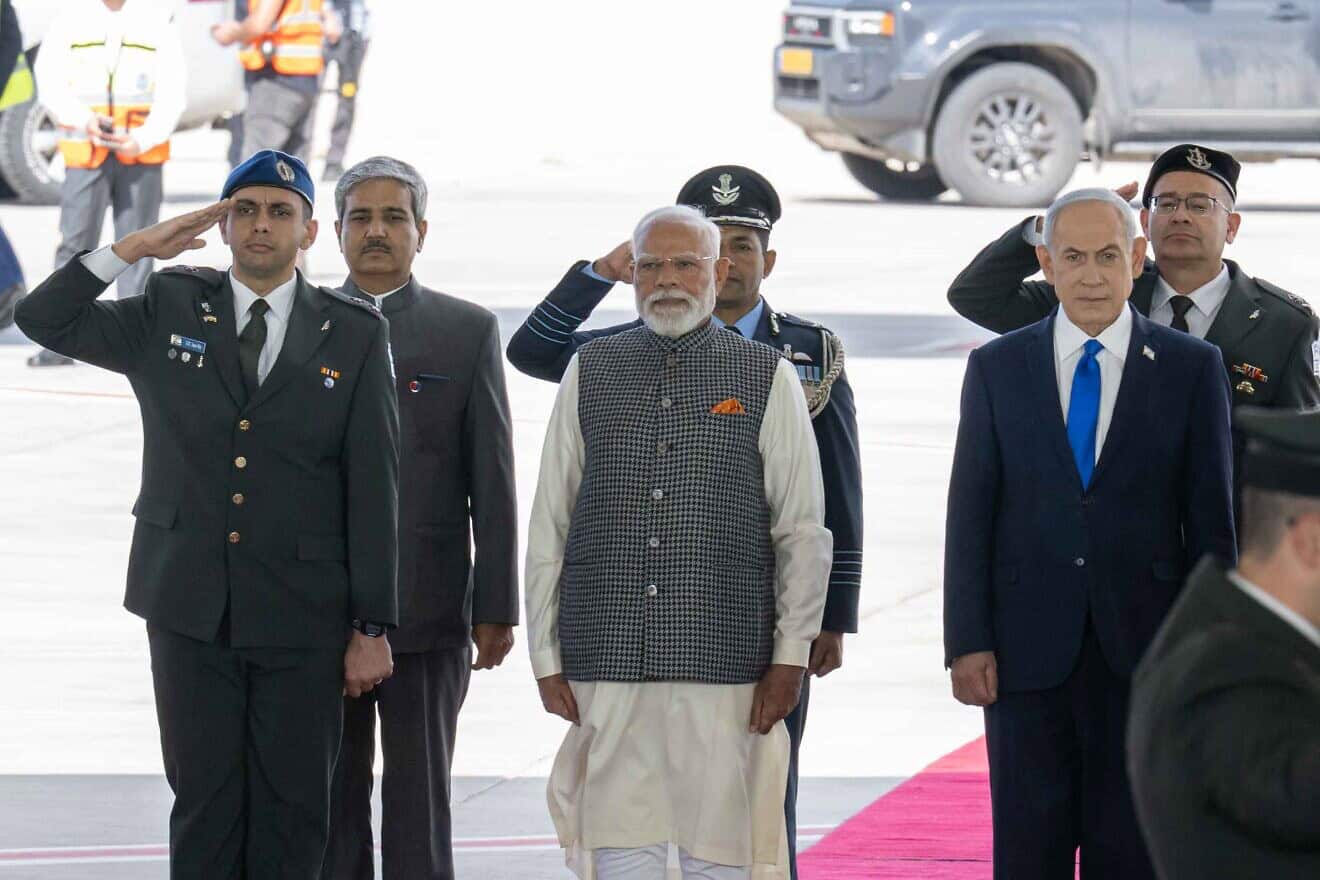
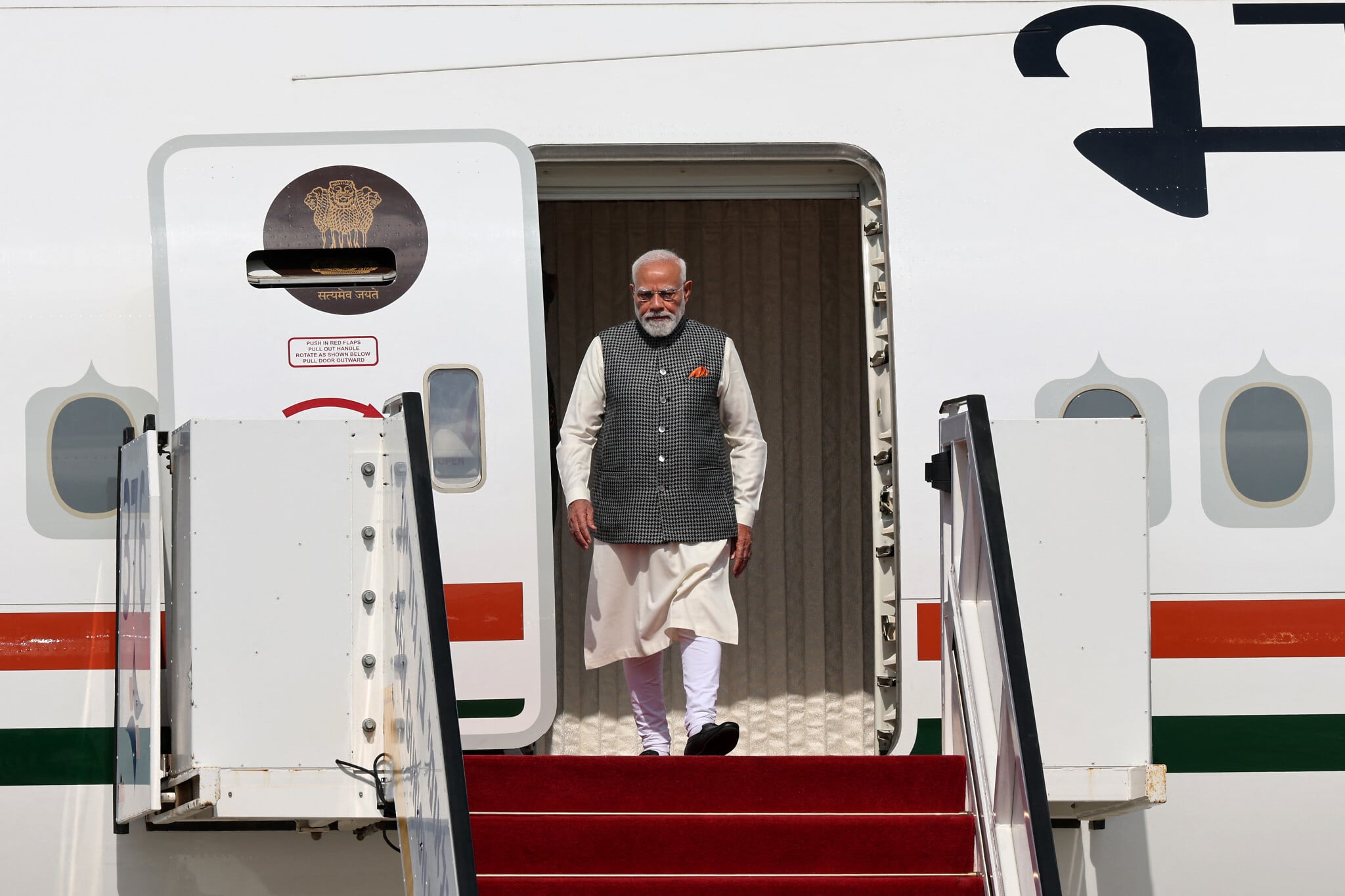
ModiIsraelMeet 2026 has become one of the most discussed diplomatic developments globally. Narendra Modi arrived in Israel on February 25, 2026, marking his second official visit to the country as Prime Minister. The visit comes at a highly sensitive geopolitical moment, with Israel continuing its military campaign in Gaza and facing mounting international scrutiny.
Modi’s visit signals India’s intent to deepen strategic, defence and economic cooperation with Israel despite rising global criticism. His meetings with Benjamin Netanyahu and his planned address to the Knesset have placed India’s foreign policy under intense global focus.
Red-Carpet Welcome in Tel Aviv
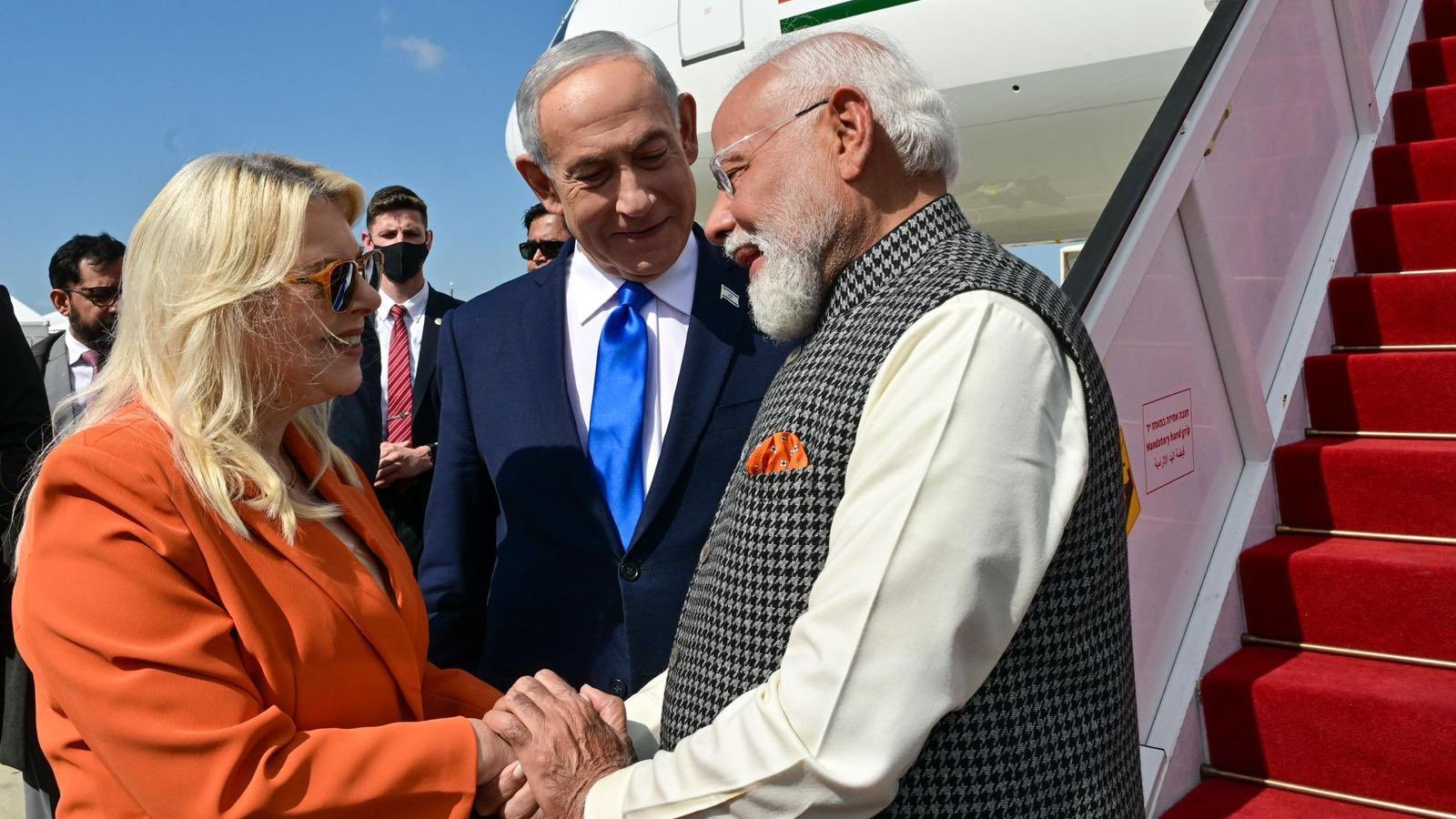
ModiIsraelMeet 2026 began with a symbolic red-carpet welcome at Ben Gurion International Airport. Netanyahu personally greeted Modi on the tarmac, describing India as “no greater friend” of Israel. The visual of the two leaders embracing underscored how far bilateral relations have progressed since diplomatic ties were formalized in 1992.
Modi’s first visit in 2017 was historic, breaking decades of diplomatic hesitation. This second visit, however, carries greater geopolitical weight due to the ongoing conflict in Gaza and shifting regional alliances.
Defence and Strategic Cooperation
Defence cooperation remains central to ModiIsraelMeet 2026. Over the past decade, India has emerged as one of Israel’s largest arms buyers. Between 2020 and 2024, India accounted for approximately one-third of Israel’s defence exports.
During this visit, discussions are expected to focus on:
- Advanced missile systems
- Air defence collaboration
- Drone and UAV technology
- Cybersecurity frameworks
- AI-enabled defence systems
Reports indicate a potential $8.6 billion defence package under consideration, including advanced air-to-surface missile systems. Analysts suggest that both countries are gradually transitioning toward a defence co-production model, enabling joint manufacturing and technology transfer.
For India, diversifying defence partnerships reduces overdependence on traditional suppliers. For Israel, India remains a critical long-term strategic market.
Gaza War and Political Backlash
ModiIsraelMeet 2026 unfolds amid Israel’s ongoing military campaign in Gaza, which has resulted in tens of thousands of Palestinian casualties since October 2023.
In India, opposition parties including the Communist Party of India (Marxist) have criticized the visit, calling it a betrayal of India’s historic support for Palestinian self-determination. Senior Congress leaders have urged Modi to address humanitarian concerns during his Knesset speech.
Internationally, Israel continues to face legal and diplomatic challenges. The International Criminal Court previously issued actions against Israeli leadership in connection with alleged war crimes. Modi’s visible alignment with Netanyahu has therefore attracted global scrutiny.
However, India has attempted a balancing strategy — maintaining strategic ties with Israel while formally endorsing multilateral statements supporting a two-state solution.
Knesset Address and Diplomatic Messaging
A major highlight of ModiIsraelMeet 2026 is Modi’s address to the Israeli Knesset. The speech is expected to focus on:
- Counterterrorism cooperation
- Regional security
- Technology partnerships
- Economic corridor initiatives
Political observers suggest Modi will likely reference Gaza in cautious diplomatic language, emphasizing peace and stability rather than direct criticism.
Notably, reports indicate some Israeli opposition lawmakers may boycott the session due to internal judicial disputes within Israel’s political system, adding further complexity to the visit.

Trade, Investment and Technology Ties
Beyond defence, ModiIsraelMeet 2026 also emphasizes economic and technological cooperation.
In September 2025, India and Israel signed a new bilateral investment treaty replacing the 1996 framework. The agreement aims to provide stronger investor protections and encourage reciprocal investment.
Bilateral trade currently stands at approximately $3.75–$3.9 billion annually. Key sectors include:
- Defence and aerospace
- Water management technologies
- Agriculture innovation
- Health tech
- Artificial intelligence
- Cybersecurity
Israel has shown interest in expanding AI collaboration with India, particularly in emerging and disruptive technologies. Joint research and startup ecosystems are expected to deepen under this renewed diplomatic engagement.
Additionally, discussions may revive interest in broader regional connectivity initiatives, including economic corridors linking India, the Middle East and Europe.
Regional and Global Implications
ModiIsraelMeet 2026 carries broader geopolitical implications:
1. Strategic Diversification
India continues diversifying its global partnerships, balancing ties with Israel, the United States, Iran and Gulf states.
2. China Factor
Deepened India-Israel technology cooperation could counter China’s growing technological influence across the Middle East.
3. Domestic Political Optics
Both Modi and Netanyahu have cultivated strong nationalist political identities. Their visible alignment reinforces their leadership narratives domestically.
4. Diplomatic Balancing Act
India faces the challenge of maintaining credibility within multilateral institutions while preserving strategic partnerships.
ModiIsraelMeet 2026 represents more than a routine diplomatic visit. It reflects the maturation of India-Israel relations into a multifaceted strategic partnership encompassing defence, technology, trade and geopolitics.
While the visit strengthens bilateral cooperation, it also highlights the delicate diplomatic balancing act India must maintain amid ongoing conflict in Gaza and shifting global alliances.
As Modi addresses the Knesset and meets Israeli leadership, the outcomes of ModiIsraelMeet 2026 will likely influence not only bilateral relations but also broader regional dynamics across the Middle East and South Asia.
This article is based on reporting from our international news coverage, official government statements, diplomatic briefings, and analysis from geopolitical experts covering India–Israel relations.
8zgr5w