
Epstein Email – Fresh disclosures released by the US Department of Justice have reignited global scrutiny of Prince Andrew, exposing a deeper and more sustained relationship with convicted sex offender Jeffrey Epstein than the royal previously admitted. The newly revealed emails, published as part of a massive document release, undermine Andrew’s longstanding claim that he severed ties with Epstein in 2010 and raise uncomfortable questions for the British monarchy.
Emails Contradict Andrew’s Claim of Cutting Ties
One of the most damaging aspects of the latest disclosures is the timeline. Prince Andrew had repeatedly insisted that his infamous December 2010 meeting with Epstein in New York was to formally end their relationship. However, emails now show continued communication well into February 2011, directly contradicting that account.
In one message, Andrew wrote to Epstein: “This week is all about me,” followed by remarks about needing time away from external pressures during what he described as his “annual retreat.” The tone of familiarity and comfort sharply contrasts with the version Andrew presented during his disastrous BBC Newsnight interview.
These emails suggest not a severing of ties, but an ongoing, cordial relationship — a narrative that further erodes Andrew’s credibility in the eyes of the public.
US Authorities Pressed Andrew for Testimony
The disclosures also reveal the extent to which US federal investigators attempted to secure Andrew’s cooperation following Epstein’s arrest and death. Internal correspondence from early 2020 shows growing frustration within the US Department of Justice, as repeated requests for an interview were met with delays and legal resistance.
Emails between US investigators and Andrew’s legal team ask directly when the prince would honour his public commitment to assist with inquiries into Epstein’s activities. Despite public assurances, no such interview ever took place. The combination of legal maneuvering and the COVID-19 pandemic ultimately stalled the process, though pressure from US lawmakers has not entirely disappeared.
This renewed visibility raises the possibility that American authorities could once again push for testimony, keeping the issue alive politically and legally.
Buckingham Palace and Institutional Fallout
The emails also reference Buckingham Palace as a setting where Epstein was entertained privately, reinforcing perceptions of how deeply Epstein had penetrated elite social circles. While there is no suggestion of institutional wrongdoing, the optics remain damaging.
Royal watchers note that Buckingham Palace’s decision to strip Andrew of his royal titles and public duties in 2025 now appears prescient. Those actions pre-empted what would almost certainly have been renewed public outrage following these disclosures.
For the monarchy, the revelations serve as a reminder of how personal conduct can spill over into institutional credibility, even years later.
Money, Influence, and Global Deal-Making
Beyond personal communications, the emails paint a murky picture of discussions involving money and international business opportunities. Epstein frequently referenced wealthy contacts, including individuals allegedly holding billions in disposable capital, while Andrew discussed potential investments tied to governments and overseas interests.
References to opportunities in China, the Gulf, and Libya appear throughout the correspondence, though the full nature of these discussions remains unclear. Andrew emphasized delegating any formal investment responsibilities, but critics argue the exchanges highlight how Epstein leveraged access and influence to embed himself deeper into elite networks.
Such revelations add another layer of discomfort, reinforcing suspicions that Epstein used wealth as a mechanism of control and proximity to power.

Virginia Giuffre and the Damage Control Efforts
The newly released emails also shed light on behind-the-scenes efforts to manage fallout from allegations by Virginia Giuffre, who accused Andrew of sexual abuse — claims he has consistently denied.
A draft statement prepared by Andrew’s former private secretary suggested wording that would acknowledge meetings with Giuffre while denying any sexual contact. That proposed language was shared with Epstein himself, who urged distancing strategies and dismissed the allegations as fabrications.
The optics of coordinating narrative responses with Epstein have drawn renewed criticism, reinforcing the perception of poor judgment at best and reputational self-preservation at worst.
Sarah Ferguson Also Embroiled
The fallout extends beyond Andrew. Emails reveal that Sarah Ferguson, the Duchess of York, maintained a close and financially dependent relationship with Epstein. In various messages, she sought financial assistance, described business ventures, and even requested help with urgent rent payments.
Epstein claimed to have supported Ferguson financially for more than a decade, while privately making disparaging remarks about her appearance to third parties. These disclosures risk further embarrassment for Ferguson, who has worked to rebuild her public image in recent years.
Together, the revelations underline how deeply Epstein embedded himself into the personal and financial lives of high-profile figures.
Public Reaction and Andrew’s Current Position
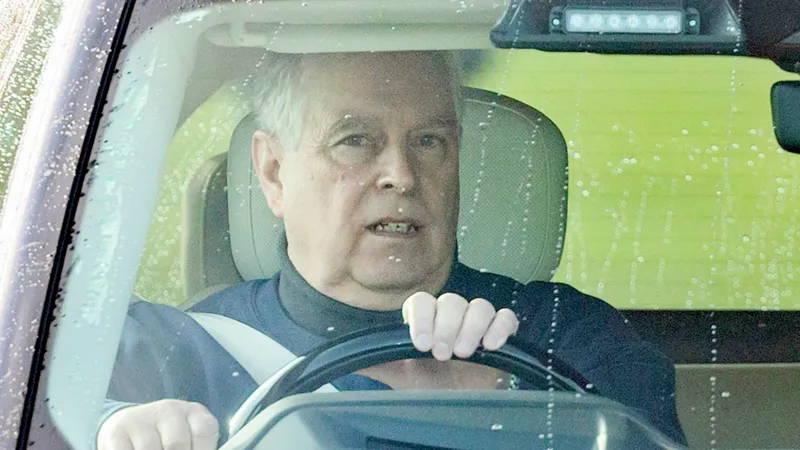
Public reaction in the UK has been largely one of fatigue mixed with disbelief. For many, the disclosures confirm long-held suspicions rather than introducing new shock. Andrew was recently photographed driving and riding near Windsor, a visual reminder of his continued physical presence despite his removal from royal life.
Andrew’s office has reiterated that he denies all wrongdoing, but the cumulative impact of these emails continues to corrode public trust. Each new release adds weight to the perception that key details were withheld or misrepresented in earlier statements.
What Comes Next for Prince Andrew
While no new criminal charges have been announced, the latest Epstein disclosures ensure that Prince Andrew’s association with the disgraced financier remains unresolved in the public mind. Questions persist over whether US authorities will renew efforts to compel testimony, and whether additional document releases may further deepen the controversy.
For the monarchy, the episode reinforces the cost of delayed accountability and the enduring damage of association with unchecked power. For Andrew, it represents yet another chapter in a saga that shows no sign of quietly fading away.

This report draws on reporting from BBC News, based on newly released US Department of Justice documents detailing communications between Prince Andrew and Jeffrey Epstein, alongside contextual analysis of royal and legal developments. FFRNEWS