Russia Ukraine peace talks concluded in Geneva without a major breakthrough, highlighting the persistent divide between Moscow and Kyiv nearly four years after the full-scale invasion began. Despite cautious optimism from American mediators, negotiations ended with no agreement on the core issue of territory — the central obstacle to any ceasefire framework.
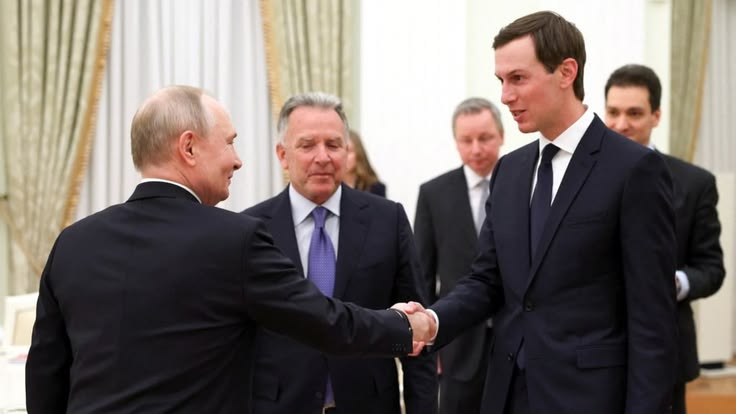
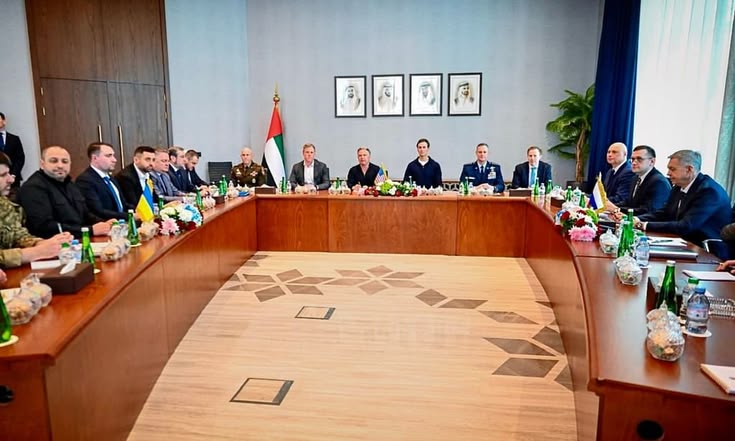
The trilateral discussions involved representatives from Russia, Ukraine, and the United States, with European officials observing on the sidelines. Talks stretched late into Tuesday before concluding after a shorter session on Wednesday, underscoring the complexity of the diplomatic effort.
Limited Progress on Military Issues
According to Ukrainian diplomatic sources, some movement occurred regarding military-related matters. Discussions reportedly addressed front-line positioning and mechanisms for monitoring a potential ceasefire. These technical components are considered foundational for any sustainable truce.
However, while dialogue on military logistics was described as “substantive and intensive,” negotiators acknowledged that broader political questions remain unresolved. Without clarity on territorial control and sovereignty, ceasefire monitoring arrangements alone cannot secure lasting peace.
Russian negotiator Vladimir Medinsky characterized the discussions as “businesslike,” suggesting that further meetings are expected soon. Ukrainian President Volodymyr Zelensky described the negotiations as “not easy,” reflecting the stark differences in strategic objectives.
Donbas Remains the Central Sticking Point
At the heart of the impasse lies the Donbas region in eastern Ukraine, composed of Donetsk and Luhansk. Moscow continues to demand full control over the region — a condition Kyiv firmly rejects.
For Ukraine, conceding Donbas would mean surrendering sovereign territory, including heavily fortified defensive lines and key cities that have withstood years of fighting. Ukrainian officials argue that such a concession would not only undermine national sovereignty but also leave the country exposed to future aggression.
Zelensky has repeatedly stated that territorial compromise is unacceptable, even suggesting that any proposal to relinquish Donbas would fail in a national referendum. Many Ukrainians fear that yielding territory would embolden further expansionist moves.
The distance between these positions makes immediate consensus unlikely.
Security Guarantees and Western Support
Beyond territorial disputes, Ukraine is seeking strong security guarantees from Western allies to deter renewed aggression. Kyiv insists that any agreement must include credible commitments that protect the country’s sovereignty long-term.
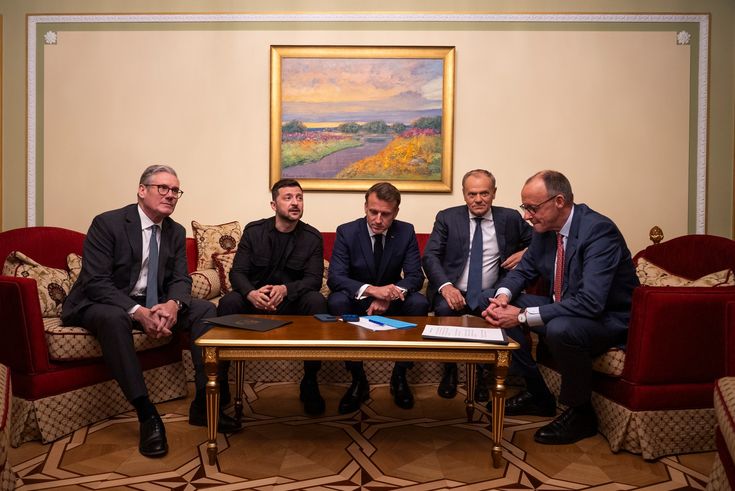
European powers — including Britain, France, Germany, and Italy — were present in Geneva for consultations with Ukrainian officials. Though not directly leading negotiations, European participation is viewed by Kyiv as indispensable for a lasting settlement.
Zelensky emphasized that European involvement must remain central to any final agreement, signaling concerns about bilateral arrangements that exclude regional stakeholders.
The Zaporizhzhia Nuclear Plant Dispute
Another significant obstacle is the status of the Zaporizhzhia Nuclear Power Plant, Europe’s largest nuclear facility. The plant has been under Russian control since March 2022 and sits near the active front line.
Ukraine wants Moscow to return the facility, citing both sovereignty and safety concerns. Zelensky has previously floated the possibility of joint control involving American oversight, though such a proposal is unlikely to gain acceptance from Moscow.
Control of critical infrastructure adds another layer of complexity to negotiations already strained by territorial disagreements.
US Mediation and Growing Impatience
The United States has taken a leading role in brokering talks, with diplomatic efforts intensifying in recent months. American officials have expressed cautious optimism at various stages, but tangible outcomes remain limited.
US President Donald Trump has publicly signaled impatience with the stalled progress, urging faster engagement. However, Ukrainian officials have rejected suggestions that Kyiv should shoulder disproportionate compromise.
Balancing pressure for progress with respect for Ukrainian sovereignty remains a delicate diplomatic task for Washington.
A War Entering Its Fourth Year
Next week marks four years since Russia’s full-scale invasion of Ukraine began. The war has resulted in tens of thousands of military and civilian casualties and displaced millions across the country.
Despite intermittent diplomatic efforts, fighting continues along extended front lines, accompanied by regular aerial attacks. For civilians, the human toll persists daily, reinforcing the urgency of negotiations — even as breakthroughs remain elusive.
The Geneva talks demonstrate that while dialogue channels remain open, the structural gaps between Moscow’s strategic demands and Kyiv’s red lines remain wide.
What Happens Next?
While no major agreement emerged, both sides indicated that additional meetings are likely. Continued dialogue suggests that neither party is closing the door on diplomacy entirely.
However, until core disagreements over territory, sovereignty, and security guarantees are addressed, a comprehensive ceasefire appears distant.
The negotiations underscore a broader reality: achieving peace in a conflict shaped by deep mistrust, battlefield realities, and geopolitical stakes requires more than procedural progress. It demands political concessions that neither side is currently prepared to make.
As diplomatic efforts continue, the world watches closely — aware that the stakes extend far beyond the negotiating table in Geneva.
For ongoing geopolitical analysis, refer to our Global Affairs and Conflict Watch sections. Developments are being reported by major international outlets and official government briefings.