
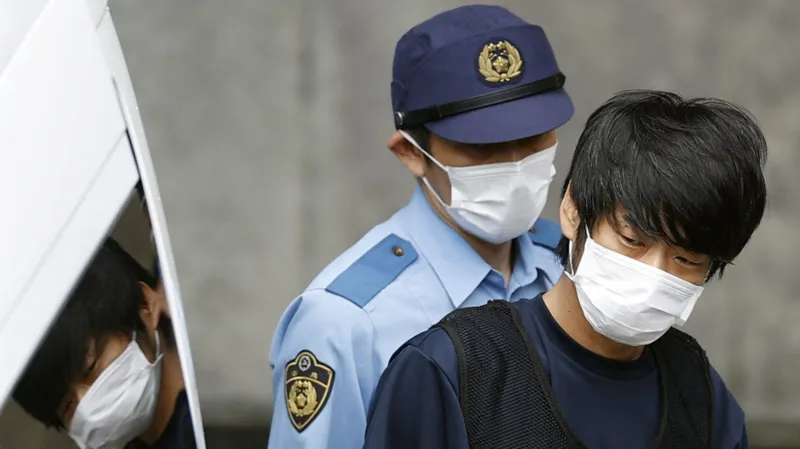
Shinzo Abe killer sentenced to life in prison, over three years after the former Japanese prime minister was fatally shot during a public rally in Nara. The court ruling closes one of Japan’s most shocking criminal cases in recent memory, drawing attention both domestically and internationally.
Tetsuya Yamagami, 45, pleaded guilty to the assassination, confessing to the murder on the trial’s opening day in October 2025. His motive, prosecutors say, stemmed from personal grievances amplified by his mother’s involvement with the Unification Church, which had financially ruined the family.
Life Sentence for Tetsuya Yamagami
The Nara district court formally sentenced Yamagami to life imprisonment for the “grave act” of killing Japan’s longest-serving prime minister. Prosecutors argued the assassination was a premeditated, violent act that shocked the nation, where gun crimes are exceptionally rare.
Yamagami’s defense requested leniency, highlighting the alleged “religious abuse” he suffered due to his mother’s devotion to the Unification Church. According to court documents, his mother donated nearly 100 million yen (S$828,750) to the church, including assets from Yamagami’s late father, causing deep familial and financial hardship.
While public opinion is divided—some sympathize with Yamagami’s troubled upbringing, others view him as a cold-blooded murderer—the court upheld the life sentence. Nearly 700 members of the public attended the sentencing hearing, reflecting the case’s national significance.
Grievances Against the Unification Church
Yamagami reportedly intended initially to target church executives, not Abe. However, after seeing a video message from Abe at a church-related event in 2021, he redirected his attack toward the former prime minister.
The Unification Church, founded in South Korea and active in Japan since the 1960s, has faced widespread criticism for coercing followers into costly donations and holding large-scale mass wedding ceremonies. Investigations following Abe’s assassination revealed the church’s ties to politicians, including members of Japan’s ruling Liberal Democratic Party, leading to multiple cabinet resignations.
The Assassination: A Nation in Shock
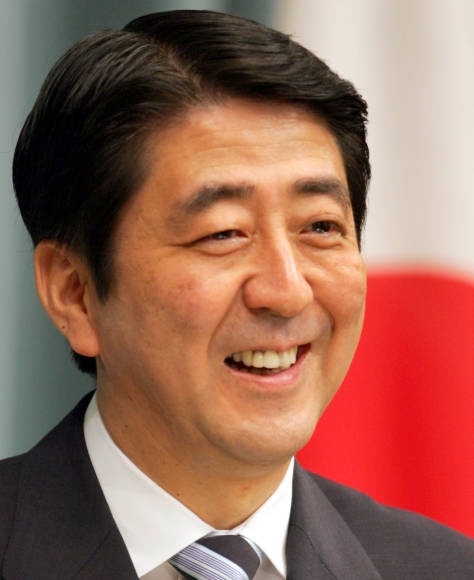
On 8 July 2022, during a political campaign in Nara, Yamagami fired two homemade bullets at Abe using a gun constructed from metal pipes and duct tape. Abe, widely recognized both nationally and internationally, was pronounced dead, sending shockwaves through Japan and around the world.
Witnesses describe the moment as surreal, with Abe’s widow, Akie Abe, recalling her disbelief upon learning her husband was targeted as a proxy for Yamagami’s grudge against the church. She stated, “The sorrow of losing my husband will never be relieved. I just wanted him to stay alive.”
Courtroom Emotions and Public Response
The trial revealed intense emotional moments, including tearful testimony from Yamagami’s sister about the family’s struggles under their mother’s deep involvement with the Unification Church. Journalists covering the trial, such as Eito Suzuki, noted Yamagami’s world-weariness and resignation throughout the proceedings.
Observers remain divided over whether his personal hardships justify any reduction in sentencing. Sociologist Rin Ushiyama from Queen’s University Belfast notes that while Yamagami was a victim of economic hardship and parental neglect, this context does not excuse his actions.
Legal and Social Implications
The assassination has triggered widespread scrutiny of Japan’s political and religious institutions. In March 2025, a Tokyo court revoked the Unification Church’s status as a religious corporation, citing coercive practices. The case has fueled public debates about the influence of controversial religious organizations on politics and society.
The life sentence reflects Japan’s judicial stance on violent crimes against public figures, underscoring the country’s commitment to law and order. It also raises questions about addressing societal issues that can drive individuals toward extreme acts of violence.
This report is part of FFRNEWS Asia coverage, tracking political developments and judicial proceedings in Japan. Details in this article are based on reporting by Reuters and BBC News, which first covered the sentencing of Tetsuya Yamagami.