South Africa Iran BRICS naval drills have become a flashpoint of diplomatic tension after Pretoria hosted joint maritime exercises involving Iran’s navy, drawing sharp criticism from the United States and sparking an internal political inquiry within South Africa’s own government.
The controversy centers on Iran’s participation in the BRICS-led naval exercise known as Will for Peace 2026, held in South African waters earlier this month. While officials initially defended the drills as routine and focused on maritime safety, revelations that the exercises proceeded against the apparent wishes of President Cyril Ramaphosa have intensified scrutiny at home and abroad.
The episode highlights growing fractures within the BRICS bloc, rising geopolitical pressure from Washington, and South Africa’s increasingly difficult balancing act between non-alignment and global power politics.
What Are the BRICS Naval Drills?
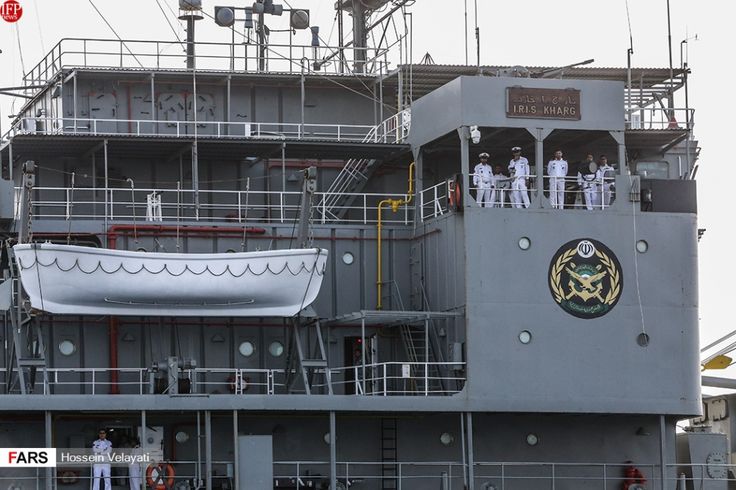
The BRICS naval drills took place between January 9 and January 16 in waters near Simon’s Town, a strategically important port that hosts one of South Africa’s main naval bases. The exercise brought together warships from several BRICS members, including China, Russia, Iran, the United Arab Emirates, and South Africa.
China led the training, which included maritime rescue operations, tactical maneuvering, and technical exchanges aimed at improving interoperability among participating navies. According to South African military officials, the stated goal of the drills was to improve cooperation and ensure the safety of key shipping lanes critical to global trade.
Captain Nndwakhulu Thomas Thamaha, the joint task force commander, described the operation as more than a routine exercise, calling it a demonstration of collective resolve among BRICS nations to work more closely in an increasingly complex maritime environment.
Why Iran’s Participation Became Controversial
While South Africa has previously hosted naval drills with Russia and China, Iran’s inclusion dramatically altered the political stakes. Tehran’s navy joined the exercises at a time when Iran was facing intense international condemnation over a deadly crackdown on mass protests that erupted in late December.
The unrest in Iran, initially driven by economic grievances such as inflation and currency collapse, quickly evolved into a nationwide challenge to the country’s leadership. Iranian security forces responded with force, and Supreme Leader Ayatollah Ali Khamenei later acknowledged that thousands of people had been killed, though the government disputed activist casualty figures.
Against this backdrop, Iran’s participation in the BRICS naval drills drew criticism from human rights advocates and Western governments, who argued that hosting Iranian military forces sent the wrong signal at a time of widespread repression inside the country.
US Backlash and Diplomatic Pressure
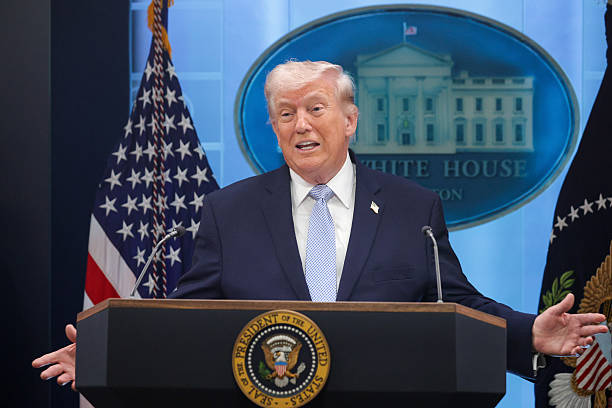
The strongest reaction came from the United States. The Trump administration sharply criticized South Africa for allowing Iran to take part in the drills, accusing Pretoria of undermining democratic values and aligning with authoritarian regimes.
In a statement issued by the US embassy in South Africa, Washington accused the South African military of “cozying up to Iran” while Iranian security forces were accused of shooting, jailing, and torturing protesters at home. The embassy said South Africa could not credibly promote justice while hosting Iranian military personnel.
According to South African media reports, US officials privately warned President Ramaphosa ahead of the exercises that Iran’s participation would damage bilateral relations. The warning reportedly led Ramaphosa to order Iran’s withdrawal from the drills on January 9.
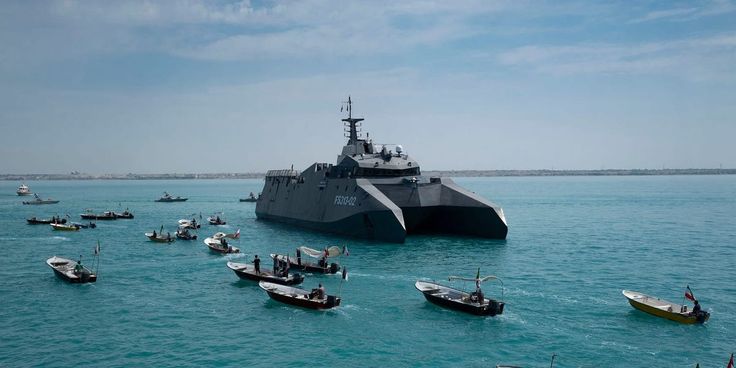
Despite that instruction, three Iranian vessels already deployed to South African waters continued to participate, raising serious questions about whether presidential orders were ignored or miscommunicated within South Africa’s defense establishment.
Inquiry Launched Into Defiance of Presidential Orders
In response to mounting criticism, Ramaphosa’s government has launched a formal inquiry into how Iran’s participation proceeded despite reported instructions to exclude Tehran from the exercises.
Defence Minister Angie Motshekga’s office said an investigation board has been established to determine whether the president’s directive was misrepresented or ignored by the Department of Defence or the South African National Defence Force.
The inquiry is expected to examine internal communications, command structures, and decision-making processes during the lead-up to the drills. A report is due to be submitted to the president in the coming days.
The episode has exposed apparent coordination failures within South Africa’s government and raised concerns about civilian oversight of the military.
Political Fallout Inside South Africa
Domestically, the drills have triggered sharp political backlash. The Democratic Alliance (DA), now part of South Africa’s governing coalition, accused the government of exposing the country to diplomatic and economic risk.
The DA blamed Minister of International Relations Ronald Lamola for failing to rein in the defense department, arguing that foreign policy had effectively been outsourced to military commanders. In a strongly worded statement, the party warned that South Africa was being perceived internationally not as a neutral actor, but as a willing partner to authoritarian states.
Critics within civil society and opposition parties have also questioned why Iran was invited at all, especially given its recent human rights record and the predictable diplomatic fallout with Washington.
BRICS, Non-Alignment, and Growing Global Tensions
The controversy underscores the evolving nature of BRICS itself. Originally founded in 2006 as an economic bloc focused on trade and development, BRICS has gradually expanded its scope to include political coordination and security cooperation.
With its expansion to include countries such as Iran, Egypt, Ethiopia, and the UAE, the bloc now represents a broader coalition of states seeking alternatives to Western-dominated global institutions.
However, that expansion has also complicated internal cohesion. India, the current chair of BRICS, notably declined to participate in the naval drills, distancing itself from what it described as a South African initiative rather than an institutional BRICS activity.
Analysts say India’s decision reflects its desire to balance relations with the United States while maintaining ties with fellow BRICS members, particularly amid heightened global polarization.
Wider US-BRICS Frictions
The naval drills controversy is just one of several flashpoints between the United States and BRICS countries. Washington has imposed tariffs on multiple BRICS members, including South Africa and India, and remains locked in trade disputes with China.
Relations with Russia remain strained over the war in Ukraine, while Iran has been at the center of escalating tensions following its confrontation with Israel and US strikes on Iranian nuclear facilities in 2025.
South Africa’s own relationship with Washington has deteriorated in recent years, particularly after Pretoria brought a genocide case against Israel at the International Court of Justice, a move strongly opposed by the US.
Some South African analysts argue that Washington’s criticism over the naval drills is part of a broader effort to pressure Pretoria for pursuing an independent foreign policy that challenges US interests.
South Africa’s Balancing Act Going Forward
For South Africa, the fallout from the BRICS naval drills highlights the growing difficulty of maintaining a non-aligned stance in an increasingly polarized world. As global power blocs harden, Pretoria faces pressure to clarify where it stands on issues of security, human rights, and military cooperation.
The outcome of the inquiry into Iran’s participation may shape future defense and foreign policy decisions, particularly regarding engagement with controversial partners.
What remains clear is that South Africa’s role within BRICS is drawing greater international scrutiny, and decisions once viewed as routine military cooperation now carry significant geopolitical consequences.
This report is part of FFRNEWS Politics coverage, drawing on reporting by Al Jazeera, statements from South African government officials, and international wire services examining the diplomatic fallout surrounding the South Africa Iran BRICS naval drills, as well as broader tensions between BRICS nations and the United States.