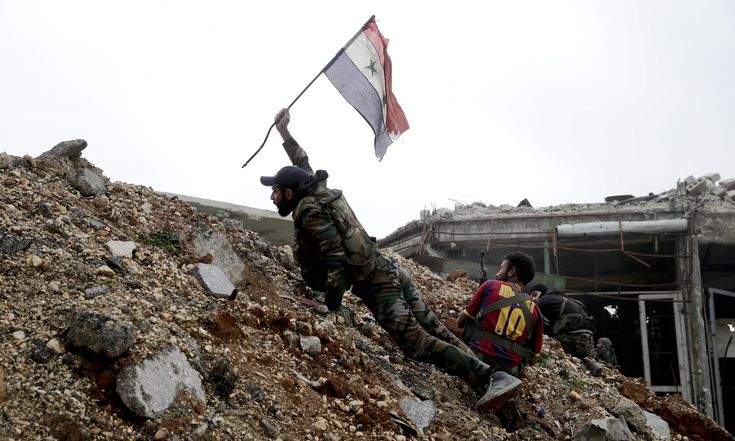
Syria Ceasefire – Syria has announced a nationwide ceasefire with Kurdish-led Syrian Democratic Forces (SDF), ending nearly two weeks of clashes that destabilized the northeastern and northern governorates. This historic agreement allows the Syrian government to reassert authority over areas that had been under Kurdish administration since the civil war began nearly a decade ago.
The ceasefire is part of a broader 14-point plan designed to integrate Kurdish-led forces into Syrian state institutions while recognizing Kurdish cultural and linguistic rights. Syrian President Ahmed al-Sharaa emphasized that the agreement restores control over al-Hasakah, Deir Ezzor, and Raqqa, regions rich in oil and gas resources, which were key economic and strategic areas previously governed by the SDF.
Background of Kurdish Administration in Syria
The Kurdish-led SDF established an autonomous administration during Syria’s civil war, governing both Kurdish-majority and Arab-majority areas. With support from the United States, the SDF was trained and armed as a primary local partner in the fight against ISIS, successfully liberating large areas of northeastern Syria.
Under Kurdish administration, the SDF maintained control over civil services, security operations, and economic resources, including oil fields and border crossings. This autonomy created a complex relationship with the Syrian government, particularly over resource allocation, governance, and military authority. Previous attempts to integrate Kurdish forces into the central government failed, resulting in months of stalled negotiations and intermittent clashes.
Key Terms of the Ceasefire Agreement
The ceasefire, signed by President al-Sharaa and representatives of the SDF, outlines several major provisions:
- Integration of SDF Personnel – Kurdish military and security personnel will be vetted and integrated into Syria’s defense and interior ministries.
- Government Control Over Resources – Damascus assumes responsibility for civilian institutions, border crossings, and vital oil and gas infrastructure.
- Prison and Detention Oversight – The Syrian government will oversee prisons and camps holding foreign ISIS fighters and their families.
- Cultural and Linguistic Recognition – Kurdish is granted official language status, and the Kurdish New Year will be recognized as a national holiday.
- Counter-Terrorism Cooperation – Syria reaffirmed its participation in the US-led coalition against ISIS, signaling continued international security collaboration.
The deal represents a historic milestone for Kurdish rights in Syria, marking the first formal recognition since Syria gained independence from France in 1946.
International and Regional Implications
The ceasefire has drawn attention from international observers and regional powers. US special envoy Tom Barrack, who met with President al-Sharaa in Damascus, praised the agreement as a step toward a “unified Syria.” While SDF commander Mazloum Abdi could not attend the initial meeting due to weather conditions, his presence is expected for follow-up discussions.
The integration of Kurdish forces is expected to stabilize northeast Syria and reduce tensions between local administrations and the central government. By consolidating control over key energy resources, the Syrian government strengthens its economic and strategic position in the region.
However, challenges remain in ensuring smooth coordination between Kurdish personnel and Syrian state institutions, as well as protecting the rights and interests of local populations. Analysts note that the ceasefire may serve as a model for future reconciliation in other conflict-affected regions.
Historical Context and Previous Negotiations
Previous negotiations between the Syrian government and Kurdish authorities have been difficult, often stalling due to disagreements over control of natural resources, security forces, and administrative authority. The current ceasefire marks a breakthrough, allowing Damascus to consolidate control over previously autonomous regions without sparking renewed conflict.
In the weeks leading up to the ceasefire, Syrian government forces moved into Raqqa and nearby oil facilities following SDF withdrawals. These movements underscored the importance of reaching an agreement to avoid further escalation and maintain stability in the region.
Strategic Significance of Kurdish Recognition
Beyond military and political integration, the ceasefire formally recognizes Kurdish culture and language within the Syrian state framework. For the first time since 1946, Kurdish receives official status, and national holidays celebrate Kurdish heritage. This acknowledgment is a landmark moment, reflecting a compromise between the Syrian government and Kurdish communities.
Experts say that the agreement could reduce ethnic tensions, promote national unity, and provide a framework for more inclusive governance in post-conflict Syria. Moreover, integration of SDF forces ensures that experienced personnel trained by the US-led coalition against ISIS remain a stabilizing factor in Syria’s northeast.
For additional coverage of Syrian political developments and Middle East security, see FFRNEWS Politics. This article is based on verified reporting from BBC News – Syria Ceasefire, providing detailed information on the agreement and its implications for Kurdish integration and regional stability.