The Tom Homan Minnesota protests story has surged to the top of political discussions after President Donald Trump confirmed he is dispatching his border czar to Minneapolis amid escalating unrest. The move follows the fatal shooting of two civilians by federal agents, igniting nationwide debate over immigration enforcement, civil liberties, and federal authority within US states.
The deployment marks a rare step in which Trump has placed a single federal official in direct command of on-the-ground immigration operations during active protests, signaling both urgency and political stakes as tensions continue to rise.
Why Trump Sent Tom Homan to Minnesota
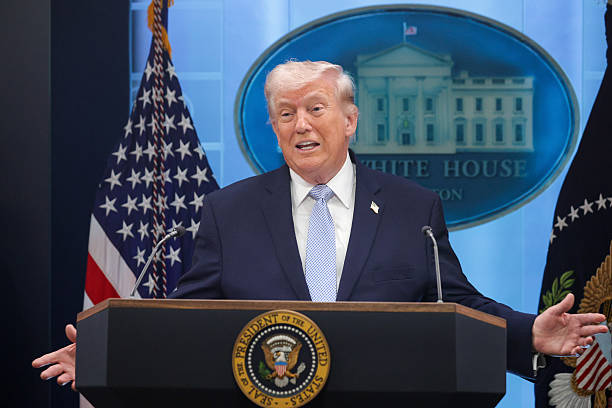
President Trump announced that Tom Homan, a longtime immigration hardliner and former acting director of ICE, would oversee federal operations in Minnesota and report directly to the White House. The decision comes after weeks of protests triggered by federal immigration raids and the killing of two US citizens during enforcement actions.
According to administration officials, the goal of sending Homan is to “restore order,” tighten command structure, and prevent further loss of life. Trump emphasized that the situation in Minneapolis had become “unacceptable” and required experienced leadership familiar with large-scale enforcement operations.
The Fatal Shootings That Sparked Nationwide Protests
The current wave of unrest began after federal agents fatally shot two civilians during separate operations in Minneapolis. Both incidents occurred amid heightened immigration enforcement under a federal surge operation that brought hundreds of ICE and Border Patrol agents into the region.
Video footage circulating on social media intensified public anger, with demonstrators accusing federal authorities of excessive force and lack of accountability. Protests quickly expanded beyond Minnesota, drawing solidarity marches in several major US cities and placing immigration enforcement tactics back at the center of national debate.
Minnesota Leaders Push Back Against Federal Presence
Minnesota Governor Tim Walz has publicly criticized the federal deployment, calling it an “overreach” and demanding transparency regarding the shootings. State officials argue that local law enforcement was sidelined during operations, creating confusion and escalating tensions between residents and federal agents.
Walz has called for an independent investigation and urged the White House to reduce the number of federal personnel operating in the state. While Trump later suggested he and Walz were on a “similar wavelength,” the arrival of Tom Homan signals that federal oversight will remain firmly in place for now.
Who Is Tom Homan and Why His Role Matters
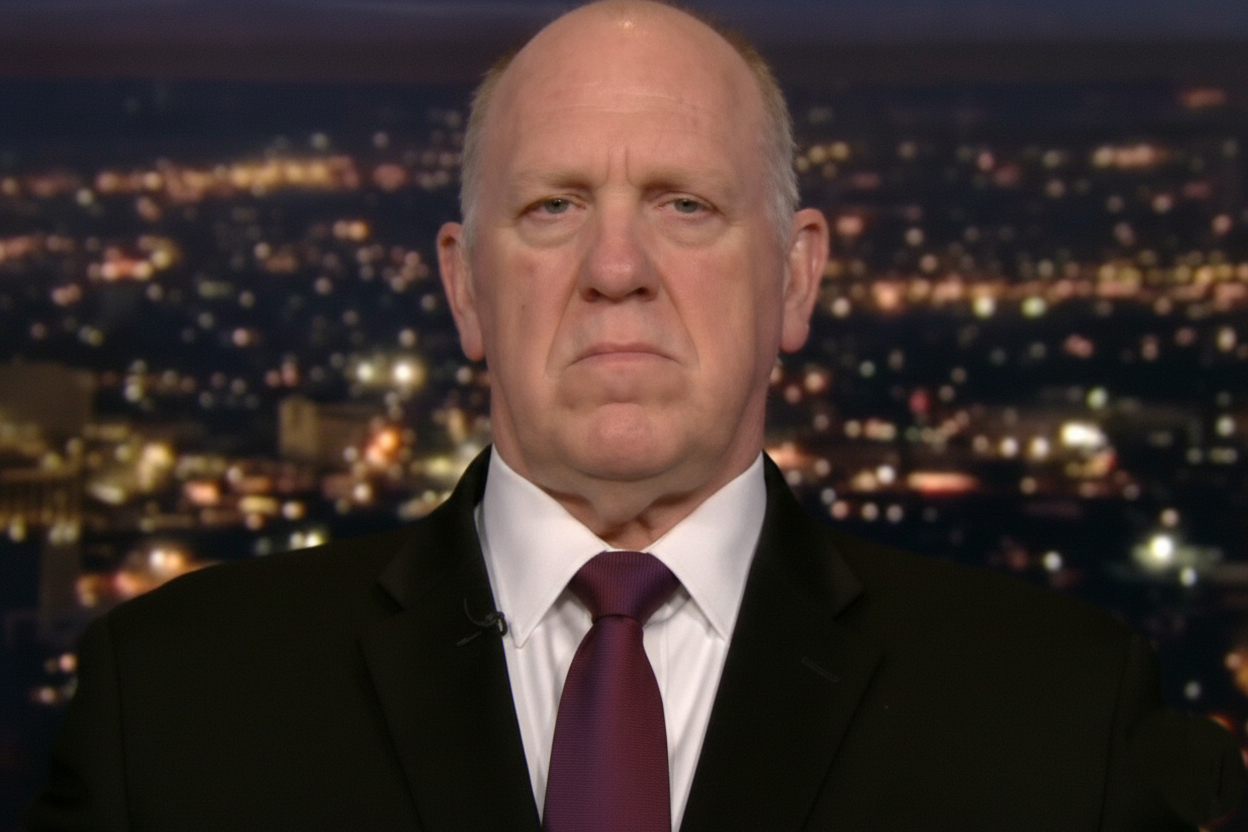
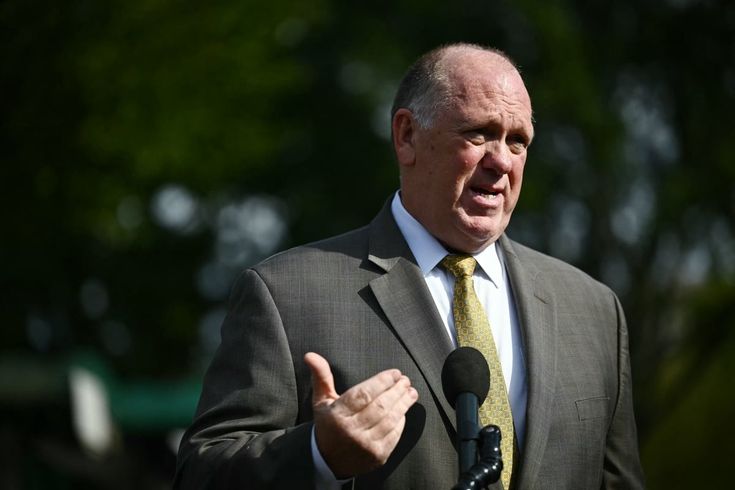
Tom Homan is one of the most recognizable figures in modern US immigration enforcement. He previously served as acting ICE director and later became Trump’s border czar, shaping aggressive interior enforcement policies and deportation strategies.
His presence in Minnesota represents more than operational oversight — it is a political signal. Supporters see Homan as a symbol of firm border control and law enforcement authority, while critics associate him with controversial detention policies and expanded federal power.
The Tom Homan Minnesota protests narrative has therefore become a flashpoint for broader ideological battles over immigration, federalism, and civil rights.
Federal Authority vs Civil Liberties Debate Intensifies
Civil liberties organizations argue that the federal response risks violating constitutional protections, especially as reports emerge of surveillance, crowd control measures, and coordination between immigration agents and federal tactical units.
Legal challenges are already underway, with a federal judge reviewing whether the enforcement surge and protest response exceed federal authority. Advocacy groups claim the expanded role of ICE in domestic operations blurs the line between immigration enforcement and internal policing.
Meanwhile, the White House insists that federal agents are acting within the law and that violence during protests necessitated a stronger federal response.
Political Fallout Across the United States
The situation in Minnesota has drawn reactions from political leaders across the spectrum. Former President Barack Obama and former First Lady Michelle Obama described the shootings as a “heartbreaking tragedy,” urging Americans to reflect on national values and accountability.
Republican leaders largely defended the administration, framing the protests as disorder that threatens public safety. The split response underscores how immigration enforcement continues to polarize US politics ahead of upcoming elections.
At the same time, the deployment of Tom Homan has energized both supporters and opponents, making Minnesota a symbolic battleground in the national immigration debate.
Impact on Trump’s Immigration Strategy
Trump’s decision to personally oversee the Minnesota response through Tom Homan suggests a recalibration of messaging. While maintaining a tough stance on enforcement, the administration has emphasized the need to prevent further casualties and restore public confidence.
Analysts note that the move could either stabilize the situation or deepen mistrust, depending on how federal agents engage with local communities and protesters in the coming days.
What Happens Next in Minnesota
With protests ongoing and investigations pending, the situation remains fluid. State officials continue to demand accountability, while federal authorities prepare for prolonged enforcement operations.
The Tom Homan Minnesota protests episode is expected to shape legal precedent, political narratives, and public opinion around federal law enforcement powers for months to come.
Reporting on the Minnesota unrest and federal response draws on coverage by Reuters regarding Trump’s decision to send Tom Homan and the White House’s evolving stance, contextual analysis from The Guardian on protests and federal agent conduct, and ongoing political developments tracked within the FFRNEWS Politics section, which continues to monitor federal-state tensions and civil liberties debates in the United States.