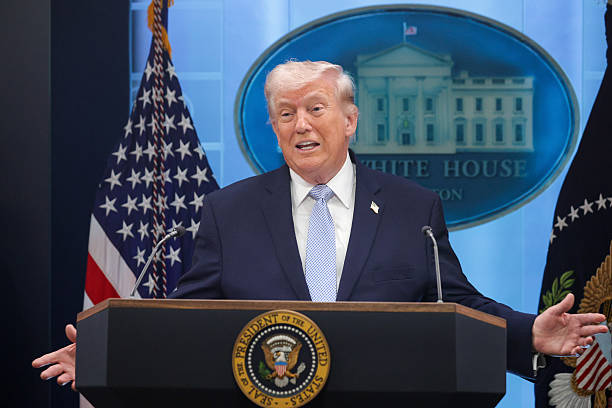
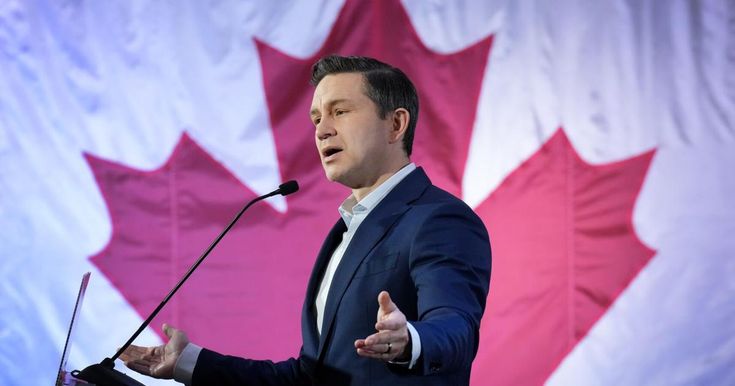
Trump Canada bridge controversy returned to the political spotlight after former U.S. President Donald Trump publicly criticized and threatened to block a major US-Canada bridge project that he had previously endorsed. The remarks, made during ongoing political coverage, quickly drew attention from lawmakers, policy experts, and international observers — not only because of the sudden reversal but also due to Trump’s disputed claims about Canada’s trade relationship with China.
The incident has reignited debates over infrastructure, trade policy, and Trump’s evolving political messaging as he continues to dominate headlines and shape public discourse in the United States and beyond.
Trump Reverses Position on Cross-Border Infrastructure
At the center of the controversy is a proposed bridge project designed to strengthen trade and transportation links between the United States and Canada. The bridge, backed by regional authorities and trade groups, has long been viewed as a critical investment for improving supply chains, easing congestion, and supporting economic growth on both sides of the border.
Trump, however, stunned observers by threatening to block the project, despite having previously expressed support for it during his time in office. His reversal raised immediate questions about the motivations behind the shift and whether the remarks were driven by political strategy rather than policy substance.
Infrastructure analysts noted that such projects typically require years of bipartisan coordination, environmental approvals, and diplomatic cooperation. A sudden attempt to derail them, critics argue, risks undermining trust between neighboring countries and disrupting long-term economic planning.
False Trade Claims Add to Controversy
Compounding the backlash was Trump’s claim regarding trade relations between Canada and China — a statement that fact-checkers and trade experts quickly challenged. Trump suggested that Canada had engaged in unfair or overly favorable trade arrangements with China, implying that the bridge project would indirectly benefit Beijing at the expense of American workers.
Economists and trade analysts pushed back strongly, pointing out that Canada’s trade policies are governed by transparent agreements and that the bridge is primarily intended to facilitate North American commerce. Critics accused Trump of conflating unrelated issues to justify opposition to the project and inflame nationalist sentiment.
The disputed trade claim became a focal point of media coverage, with commentators warning that misinformation around international trade could distort public understanding of complex economic relationships.
Political Reactions Across Party Lines
Reaction to the Trump Canada bridge remarks was swift and divided. Democratic lawmakers criticized Trump for what they described as reckless rhetoric and policy inconsistency. Several lawmakers argued that threatening a critical infrastructure project undermines economic stability and damages America’s relationship with one of its closest allies.
“This kind of flip-flopping sends the wrong message to our partners and our own workers,” one Democratic representative said. “Infrastructure should not be a political prop.”
Republican reactions were more mixed. Some allies defended Trump’s comments as part of a broader push for tougher trade enforcement and border oversight. Others, however, expressed concern that opposing a previously supported infrastructure project could hurt U.S. manufacturers and exporters who rely on efficient cross-border trade.
Canada Responds with Caution
Canadian officials responded carefully, avoiding direct confrontation while emphasizing the importance of the bridge project. Government sources reiterated that the infrastructure plan was developed through years of bilateral cooperation and was designed to benefit both economies.
Trade groups in Canada warned that political uncertainty surrounding the project could discourage investment and complicate logistics for industries ranging from automotive manufacturing to agriculture.
Diplomatic analysts noted that while Canada has weathered tense moments in US relations before, public criticism of joint infrastructure projects adds a new layer of complexity to already sensitive trade discussions.

Infrastructure as a Political Battleground
The episode highlights how infrastructure has increasingly become a political battleground in U.S. politics. Once largely bipartisan, large-scale projects are now frequently framed through ideological lenses tied to nationalism, globalization, and economic security.
For Trump, infrastructure rhetoric has often been linked to broader themes of “America First” and skepticism toward international cooperation. By targeting the bridge project, analysts say, Trump may be signaling a return to hardline messaging that resonates with parts of his political base.
However, critics argue that such messaging risks ignoring the practical realities of modern supply chains, where cross-border cooperation is essential for competitiveness.
Impact on Trade and Supply Chains
Experts warn that uncertainty surrounding the bridge could have tangible economic consequences. The US-Canada trade relationship is one of the largest bilateral trade partnerships in the world, supporting millions of jobs across manufacturing, logistics, and services.
Delays or cancellations of infrastructure projects can lead to bottlenecks, increased transportation costs, and reduced efficiency — impacts that are ultimately felt by consumers. Business groups on both sides of the border have urged political leaders to keep infrastructure planning separate from campaign rhetoric.
Supply-chain analysts also noted that global economic pressures, including inflation and shifting trade dynamics, make reliable transportation networks more critical than ever.
Trump’s Broader Political Strategy
The Trump Canada bridge controversy also fits into a broader pattern of Trump revisiting and reframing policies from his presidency as he remains a central figure in U.S. politics. By challenging projects he once supported, Trump appears willing to redefine past positions to align with current political narratives.
Political strategists suggest the move may be aimed at energizing supporters by portraying Trump as willing to challenge established agreements and institutions. At the same time, the approach risks alienating moderates and business-focused voters who prioritize stability and predictability.
The incident underscores Trump’s continued ability to drive the news cycle — even without holding public office.
Media and Public Reaction
Public reaction on social media was intense, with hashtags related to the bridge project and Trump’s remarks trending across platforms. Supporters praised Trump for “standing up for American interests,” while critics accused him of hypocrisy and spreading misinformation.
Media outlets devoted extensive coverage to the reversal, often highlighting video clips and past statements that showed Trump’s earlier support for the bridge. The contrast fueled debates about credibility, consistency, and the role of accountability in political leadership.
What Happens Next?
While Trump does not currently have the authority to block the project outright, his comments have added political pressure and uncertainty. Infrastructure experts say the ultimate fate of the bridge will depend on federal approvals, state cooperation, and ongoing diplomatic engagement with Canada.
Observers expect the controversy to resurface in future political debates, especially as infrastructure, trade, and border policy remain central campaign issues. Whether Trump’s remarks translate into concrete policy action remains unclear, but the episode has already left its mark on political discourse.
This report is part of Ambuzzway Politics coverage, tracking major political statements, infrastructure debates, and international relations. Reporting is based on live political coverage, trade analysis, and commentary from U.S. and Canadian policy observers.