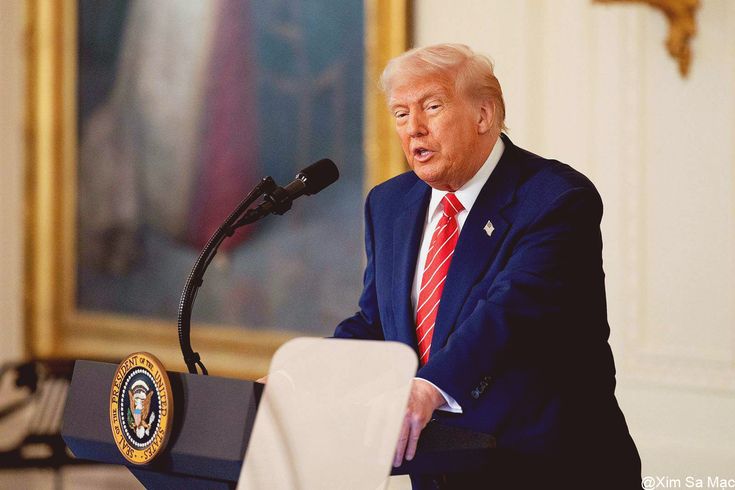
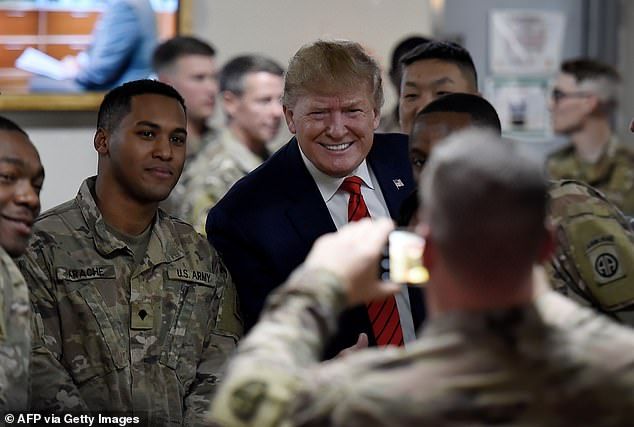
Trump Fort Bragg Military Praise – President Donald Trump used a visit to Fort Bragg, North Carolina, to spotlight U.S. military strength and reaffirm America’s global defense role, blending celebration of military achievements with political messaging. During his speech to service members and their families at one of the largest U.S. military installations, Trump emphasized the capabilities of U.S. forces, praised the special operations that ousted Venezuelan President Nicolás Maduro, and reiterated commitments to future defense readiness.
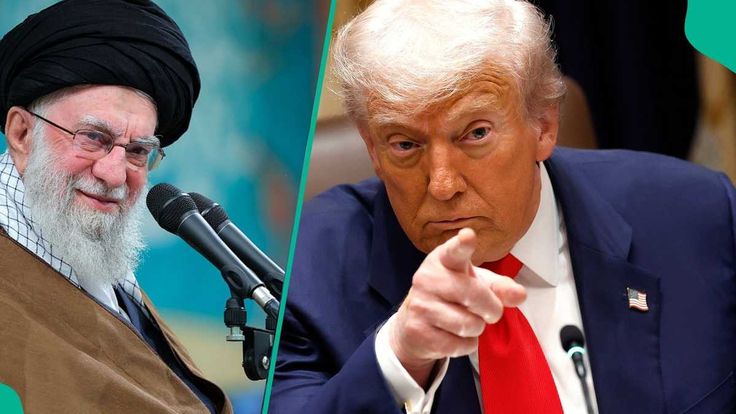
His remarks come at a time of intensifying geopolitical tensions, amid disputes with Iran and other global hotspots, as well as ongoing domestic debates over defense spending and the role of the U.S. military in foreign engagements.
Emphasis on Military Success and Special Operations
At the Fort Bragg event, Trump highlighted last month’s special forces operation that resulted in the removal of Venezuelan President Nicolás Maduro, describing it as a demonstration of “full military might” and asserting that “the entire world saw what the full military might of the U.S. military is capable of.”
Trump called the troops involved “some of our greatest soldiers to ever live,” praising their precision and discipline. His framing of the raid as a strategic success feeds into a broader narrative of American military strength and readiness. In discussions about global influence and deterrence, Trump stated that powerful military capability makes adversaries think twice before confronting the United States.
Linking Military Strength to Broader Foreign Policy
While highlighting the success of U.S. forces, Trump also referenced ongoing tensions in the Middle East, particularly with Iran, as he asserted that deploying a second aircraft carrier group to the region was part of maintaining strategic advantage.
This connection between the Fort Bragg praise and broader defense posture underscores how the administration is linking discrete military actions with larger geopolitical strategy. By presenting U.S. forces as both strong and respected — even “feared” by potential adversaries — Trump’s message aligns domestic defense rhetoric with foreign policy priorities.
Political Messaging and Campaign Overtones
Observers noted that the speech at Fort Bragg contained elements resembling a campaign-style rally, blurring lines between military tribute and political advocacy. While Trump primarily aimed to honor troops, critics have argued that the event also served to energize his political base and reinforce party messaging ahead of future elections.
In past appearances, Trump has used military gatherings to reaffirm political commitments and spotlight supporting candidates, a dynamic some analysts see as part of broader efforts to integrate defense success into electoral narratives.
Regardless of intent, the combination of military praise and political rhetoric at an active base highlights the intersection of governance, messaging, and electoral strategy.
Domestic Political Reactions and Debate
Reactions to Trump’s Fort Bragg address have been mixed. Supporters point to his emphasis on military strength and national pride as essential for American security and deterrence. They argue that robust defense messaging reinforces U.S. credibility around the world.
Critics, however, have expressed concern over the politicization of military events and the blending of policy celebration with partisan messaging. Some observers stress the need for clear separation between honoring service members and engaging in explicit political promotion during active duty functions.
International Implications of Military Rhetoric
The Trump Fort Bragg Military Praise also has international implications. By publicly linking the Maduro raid and broader defense strategy with global influence, the administration is signaling resolve to both allies and adversaries. In diplomatic contexts, such messaging can strengthen deterrence but may also escalate tensions, particularly in regions where U.S. military presence is closely monitored.
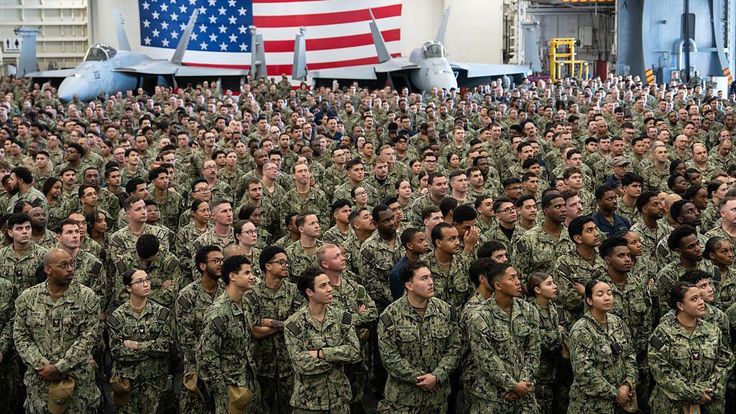
Trump’s mention of expanding naval forces and deploying carrier strike groups reflects a posture that prioritizes freedom of navigation, power projection, and strategic deterrence — key themes in U.S. military doctrine.
Military Praise, Policy Goals, and Political Significance
President Trump’s remarks at Fort Bragg — captured in his Trump Fort Bragg Military Praise speech — underscore a blend of military appreciation, global strategic signaling, and political messaging. By highlighting the success of recent special operations and connecting military might to broader geopolitical objectives, Trump reinforced a narrative of American strength while navigating domestic political dynamics.
This visit reflects how military events are increasingly integrated into broader policy and political strategies, shaping public perception of defense capability and U.S. international leadership.
This report is part of FFRNEWS Politics coverage, tracking key domestic and foreign policy developments by the U.S. administration. The article integrates reporting from Associated Press’s coverage of President Trump’s Fort Bragg address and analysis from multiple political news sources documenting the event and its implications.