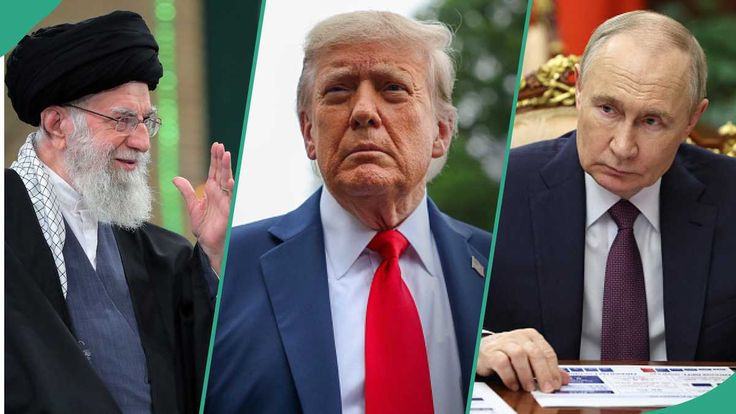
Trump Iran Nuclear Talks Geneva have entered a critical phase as President Donald Trump confirmed he will be “indirectly” involved in negotiations between the United States and Iran set to begin in Geneva.
Speaking to reporters aboard Air Force One on Monday, President Trump described the upcoming discussions as “very important” and indicated he believes Tehran is now motivated to reach an agreement regarding its nuclear programme.
The talks, mediated by Oman, mark the second round of diplomatic engagement in Switzerland following escalating tensions, military threats, and continued disputes over Iran’s nuclear ambitions.
Diplomatic Shift Ahead of Geneva Meeting
According to Iran’s Foreign Ministry, Tehran believes the US position on the nuclear issue has moved toward what it described as “a more realistic one.” The Iranian side has emphasized that the focus of Tuesday’s meeting will be its nuclear programme and the potential lifting of US-imposed economic sanctions.
Washington, however, has signaled it may also seek discussions on additional security issues, including Iran’s missile stockpile and broader regional activities.
President Trump framed the talks as a significant opportunity but warned of consequences if diplomacy fails.
“I don’t think they want the consequences of not making a deal,” Trump said, referencing last summer’s US military strikes on Iranian nuclear sites.
Military Pressure and Strategic Messaging
Trump Iran Nuclear Talks Geneva developments come amid a notable US military buildup in the Middle East.
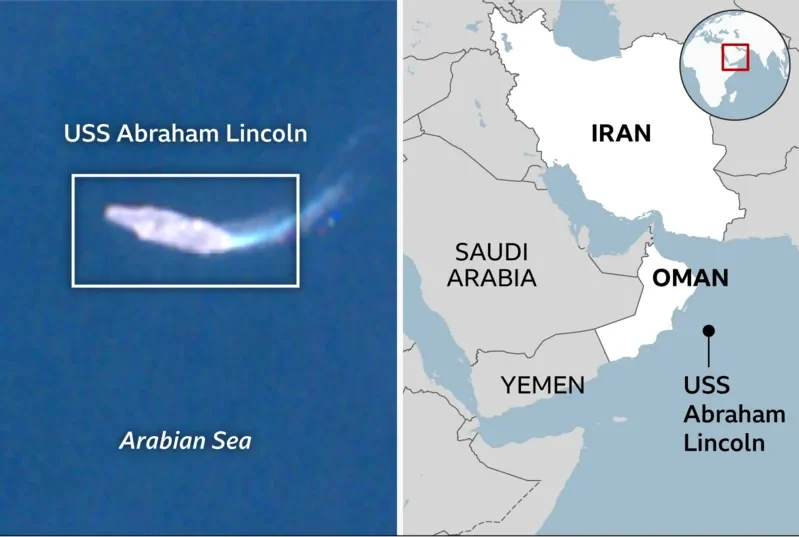
The US aircraft carrier USS Abraham Lincoln has been positioned near Iran in the Arabian Sea, confirmed through satellite imagery. Reports also indicate that the USS Gerald R. Ford — the world’s largest warship — has been dispatched to the region and could arrive within weeks.
Additional US destroyers, combat ships, and fighter jets have reportedly increased their presence in the area.
The president referred directly to previous US strikes, stating:
“We could have had a deal instead of sending the B-2s in to knock out their nuclear potential. And we had to send the B-2s. I hope they’re going to be more reasonable.”
The reference to stealth bombers underscores Washington’s strategy of combining diplomatic engagement with military deterrence.
Iran’s Response and Regional Show of Force
Iran has responded to the US buildup with its own demonstration of military readiness.
On Monday, Iran’s Islamic Revolutionary Guard Corps (IRGC) conducted maritime drills in the Strait of Hormuz — a critical global oil transit chokepoint between Oman and Iran. The waterway is vital for international energy shipments, making any escalation in the region economically significant.
Iranian Foreign Minister Abbas Araqchi, who met with the UN nuclear watchdog chief in Geneva, posted that he aims to achieve a “fair and equitable deal.” However, he made clear that “submission before threats” would not be part of negotiations.
This dual track of diplomacy and military signaling highlights the fragile balance currently defining US-Iran relations.
US Officials Cautious but Open to Agreement
US Secretary of State Marco Rubio acknowledged the difficulty of reaching a deal but emphasized that an opportunity exists.
“I think that there’s an opportunity here to diplomatically reach an agreement… but I don’t want to overstate it either. It’s going to be hard,” Rubio said during a visit to Hungary.
The White House has also confirmed that Middle East envoy Steve Witkoff and presidential adviser Jared Kushner are involved in preparations surrounding the talks.
Despite public rhetoric, both sides appear to recognize that prolonged confrontation carries economic and security risks.
What Is at Stake
The Trump Iran Nuclear Talks Geneva negotiations center on several critical issues:
- Limits on Iran’s uranium enrichment
- International inspections and compliance mechanisms
- Relief from US economic sanctions
- Broader regional security concerns
The outcome could significantly shape Middle East stability, global oil markets, and US foreign policy positioning.
With increased naval deployments and heightened rhetoric on both sides, the Geneva talks represent a pivotal moment in determining whether diplomacy can override military escalation.
This report is part of FFRNEWS Politics & Global Affairs coverage, tracking major diplomatic developments and international security negotiations. Details in this article are based on reporting by BBC News, including statements made by President Donald Trump aboard Air Force One and updates from Geneva regarding US-Iran negotiations.