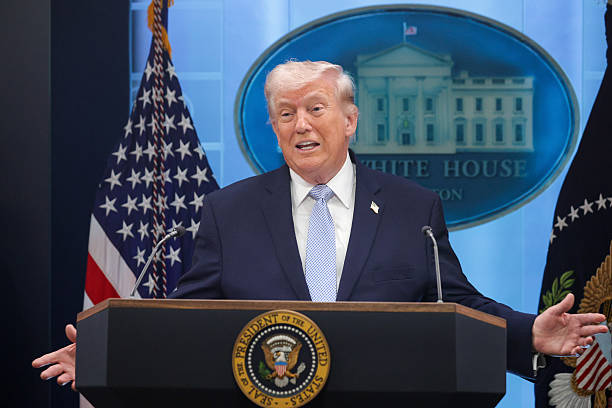
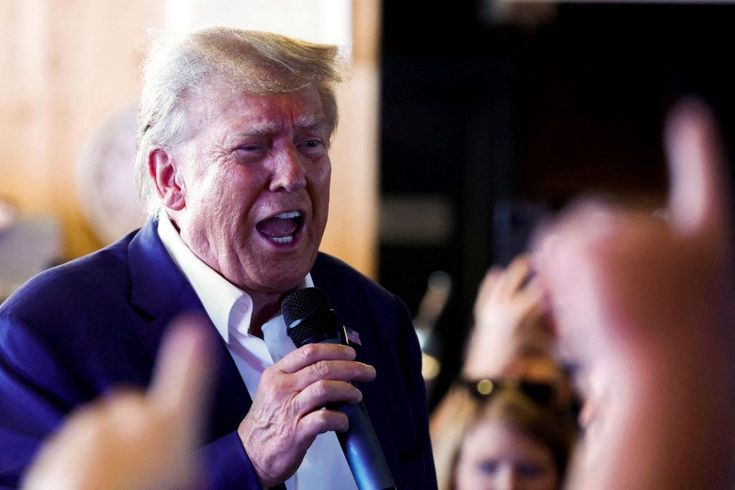
Trump racist video controversy dominated U.S. political headlines today after former President Donald Trump shared a video on social media containing racist content linked to former President Barack Obama and former First Lady Michelle Obama. Although Trump later deleted the post, he claimed he had not seen the offensive portion of the video and did not issue an apology, triggering widespread criticism from Democrats and a divided response among Republicans.
The incident has reignited intense debate around political rhetoric, misinformation, and the responsibility of high-profile leaders in an already polarized American political landscape.
What Happened: Video Shared, Then Deleted
The Trump racist video controversy began when Trump reposted a video on his social media platform that included racist imagery and commentary directed at Barack and Michelle Obama. The clip circulated rapidly before being taken down, drawing immediate backlash from civil rights groups, Democratic leaders, and media commentators.
After deleting the video, Trump said he had approved the post without watching it fully and claimed he was unaware of the offensive content. However, critics argue that such explanations fail to address the broader issue of accountability, especially given Trump’s influence over millions of followers.
The lack of an apology further intensified criticism, with opponents accusing Trump of downplaying the seriousness of racially charged messaging.
Democratic Leaders Condemn the Incident
Democratic lawmakers responded swiftly, condemning the video and calling it dangerous and divisive. Many described the Trump racist video controversy as a continuation of rhetoric that fuels racial tensions and undermines social cohesion in the United States.
Several Democrats stressed that sharing such content — even unintentionally — reinforces harmful stereotypes and emboldens extremist voices. Party leaders also questioned Trump’s claim that he had not seen the video in full, arguing that leaders bear responsibility for the content they amplify, regardless of intent.
Civil rights organizations echoed these concerns, warning that repeated incidents like this normalize racism in political discourse and distract from meaningful policy debates.
Mixed Republican Reactions
Republican responses to the Trump racist video controversy were mixed. Some party figures distanced themselves from the incident, saying the content was inappropriate and should not have been shared. Others defended Trump, arguing that the deletion showed acknowledgment of a mistake and that critics were overreacting.
A faction of Republicans framed the backlash as politically motivated, claiming the controversy was being used to attack Trump rather than address substantive national issues. This split highlights ongoing divisions within the Republican Party over Trump’s role and influence ahead of future elections.
The lack of a unified response underscores how Trump continues to shape — and sometimes fracture — Republican messaging.
Impact on Political Discourse
The Trump racist video controversy has reignited broader discussions about race, media responsibility, and leadership standards in American politics. Analysts note that incidents involving racially charged content tend to deepen polarization, especially when political figures refuse to acknowledge harm or apologize.
Experts argue that social media has amplified the speed and reach of such controversies, making it harder for misinformation or offensive content to be contained once shared. When high-profile figures are involved, the consequences are magnified, influencing public opinion and media narratives nationwide.
The episode also raises questions about how political leaders vet content before sharing and whether current safeguards are sufficient.
Trump’s History of Controversial Messaging
This is not the first time Trump has been linked to racially sensitive or inflammatory content. Throughout his political career, critics have accused him of using divisive rhetoric to energize his base, while supporters argue he is unfairly targeted by the media.
The Trump racist video controversy fits into a longer pattern that analysts say has shaped Trump’s political brand — one defined by provocation, media dominance, and constant controversy. Whether intentional or accidental, such incidents often dominate news cycles and overshadow policy discussions.
Political strategists suggest that controversies like this can both mobilize supporters and alienate moderate voters, depending on how they are perceived and addressed.
Social Media and Accountability
Another major theme emerging from the Trump racist video controversy is the role of social media platforms in political communication. Critics argue that platforms must enforce stricter moderation standards for public figures, while others warn against censorship and free speech limitations.
Trump’s explanation that he did not watch the video fully has sparked debate about whether automated sharing and rapid posting culture encourages irresponsibility among influential users. Media analysts note that deleting content after it spreads does little to undo its impact.
The incident has renewed calls for clearer accountability measures when misinformation or harmful content is shared by political leaders.
Public Reaction and Cultural Tensions
Public response to the controversy has been intense and divided. Many Americans expressed anger and disappointment, viewing the incident as evidence of persistent racial insensitivity in politics. Others dismissed the issue as a media-driven distraction from economic and foreign policy challenges.
The Trump racist video controversy reflects broader cultural tensions in the United States, where debates over race, identity, and political expression remain deeply entrenched. Polling experts suggest that such controversies often reinforce existing beliefs rather than change minds, contributing to further polarization.
Nevertheless, the episode has sparked renewed conversations about leadership responsibility and the impact of rhetoric on national unity.
Potential Political Consequences
As the political climate heats up, analysts are closely watching whether the Trump racist video controversy will have lasting consequences. While Trump has weathered numerous controversies in the past, repeated incidents can influence undecided voters and shape broader narratives about character and judgment.
Democrats are likely to use the episode as evidence of what they describe as reckless leadership, while Trump allies may frame it as another example of unfair scrutiny. The long-term impact may depend on whether similar incidents continue and how they are handled.
For now, the controversy remains a focal point in U.S. political and cultural debate.
This report is part of FFRNEWS US Politics coverage, tracking major political developments, controversies, and cultural flashpoints shaping American public life. Details in this article are based on reporting from major U.S. and international news outlets covering the social media incident and political reactions surrounding former President Donald Trump.