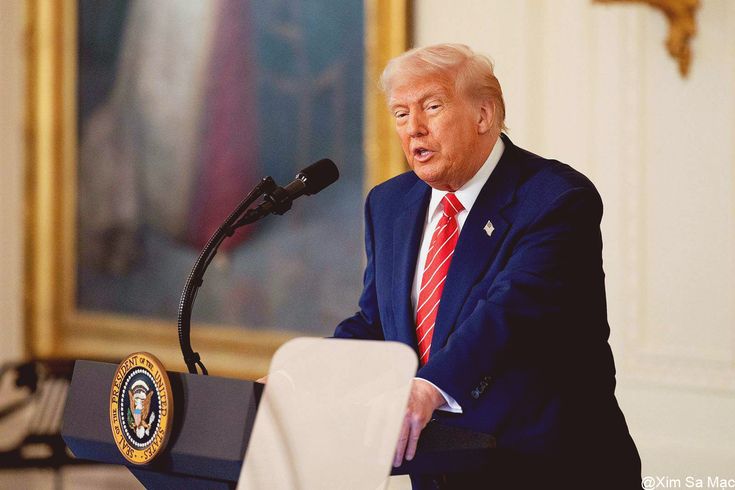
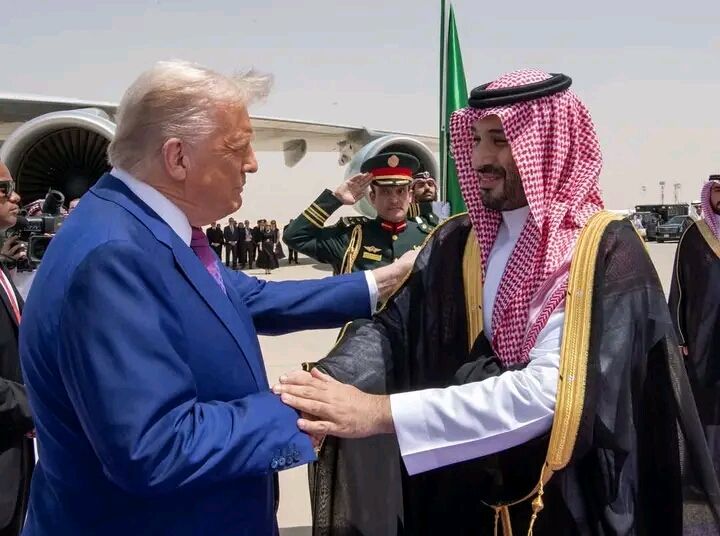
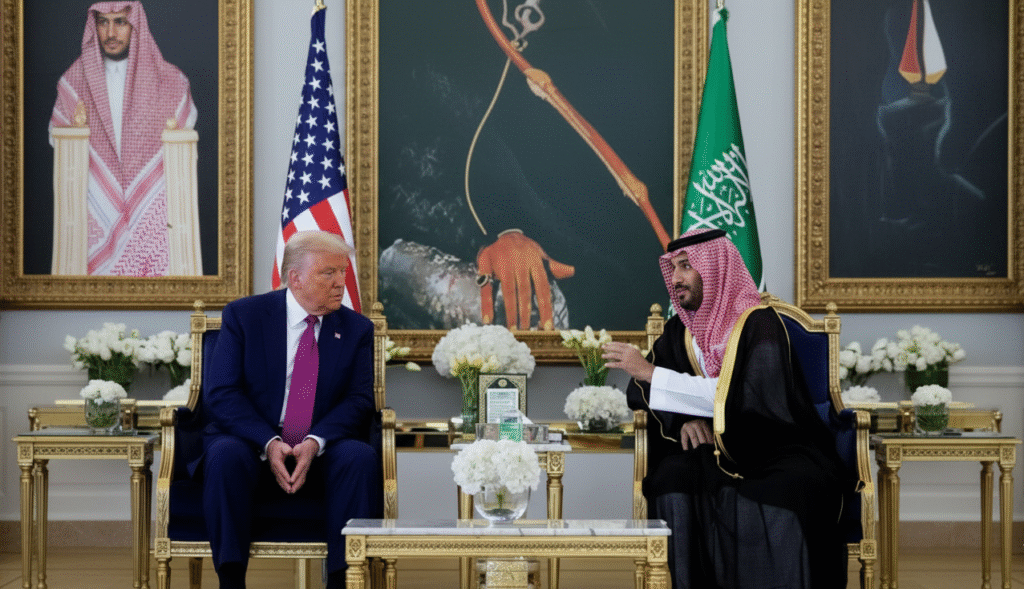
Trump Saudi Meeting captured global attention today as US President Donald Trump hosted Saudi Crown Prince Mohammed bin Salman (MBS) in the Oval Office for one of the most consequential diplomatic encounters of the year. With Washington and Riyadh entering a new phase of cooperation defined by massive investments, weapons deals and sensitive political calculations, the meeting quickly became a focal point of worldwide political discussion.
The talks came on the same day that the US Congress debated the release of the controversial Epstein files, an issue that has dominated headlines and strained political alliances. Even as domestic scrutiny intensified, Trump moved ahead with rolling out what he described as a “historic partnership moment” with Saudi Arabia, signalling the administration’s priorities heading into the upcoming months.
Below is the full breakdown of what happened in the meeting, what was said publicly, what was negotiated behind the scenes and what the developments mean for global politics.
A Trillion Dollar Investment Promise
One of the biggest revelations of the meeting came when Trump stated that Saudi Arabia had agreed to invest six hundred billion dollars into the United States economy, a figure that MBS later announced would increase to one trillion dollars.
According to both leaders, the investments will funnel into US manufacturing plants, financial markets and large scale job creation projects. Trump repeatedly called the commitment “historic” and “transformational”, while MBS confirmed the kingdom’s objective of deepening economic interdependence between the two countries.
This investment pledge is part of Saudi Arabia’s larger strategy under Vision 2030, which aims to diversify the kingdom’s economy away from oil dependence by building partnerships in technology, infrastructure and defence.
For Trump, the announcement serves as a major political victory as he faces domestic pressure, particularly from congressional leaders demanding transparency around the Epstein files. He repeatedly highlighted the economic boost as a sign of “strengthened American leadership”.
F 35 Fighter Jet Deal Moves Forward
Another major topic during the Trump Saudi Meeting was the sale of F 35 fighter jets to Saudi Arabia. The kingdom has sought access to these advanced aircraft for years, but the deal has faced significant resistance, especially from Israel, which is legally entitled to maintain military superiority in the region under US policy.
Despite longstanding objections, Trump confirmed during the meeting that he would authorize the sale. He described Saudi Arabia as a trusted defence partner and argued that the jets would be crucial for maintaining regional stability.
For MBS, this marks a significant strategic win. The acquisition of the jets not only strengthens Saudi military capabilities but also signals the kingdom’s evolving position in the Middle Eastern security landscape.
However, critics warn that the deal may escalate regional tensions and raise concerns about unchecked weapons proliferation. Human rights groups have already expressed alarm about the possibility of American weapons being used in ongoing regional conflicts.

A Push For A Mutual Defence Pact
In one of the more geopolitically consequential moments, Saudi officials publicly expressed interest in pursuing a NATO style mutual defence pact with the United States. The deal would require the US to defend Saudi Arabia militarily if the kingdom were attacked, mirroring the type of arrangement Washington currently shares with Qatar.
Achieving such a pact would require extensive drafting and careful legal consideration, as many defence treaties require congressional approval. Experts note that the growing partnership between the US and Saudi Arabia under Trump may push the conversation forward, but substantial political resistance remains likely.
US officials privately acknowledge that this kind of agreement could reshape alliances in the Middle East, particularly at a time when tensions with Iran remain high.
Nuclear Energy Cooperation Discussed
Saudi Arabia also explored cooperation on nuclear energy in the Trump Saudi Meeting, especially as the kingdom seeks alternative energy sources for its growing data centre infrastructure.
While the United States has pushed for strict zero enrichment commitments from Saudi Arabia, the kingdom argues that it already upholds international nuclear non proliferation agreements under the Treaty of the Non Proliferation of Nuclear Weapons.
The meeting did not conclude with a formal agreement, but both leaders signalled that negotiations would continue. The issue remains delicate, as Washington seeks a balance between supporting Saudi energy development and preventing the possibility of nuclear escalation in the region.
Trump’s Remarks On Iran: “Open To A Deal”
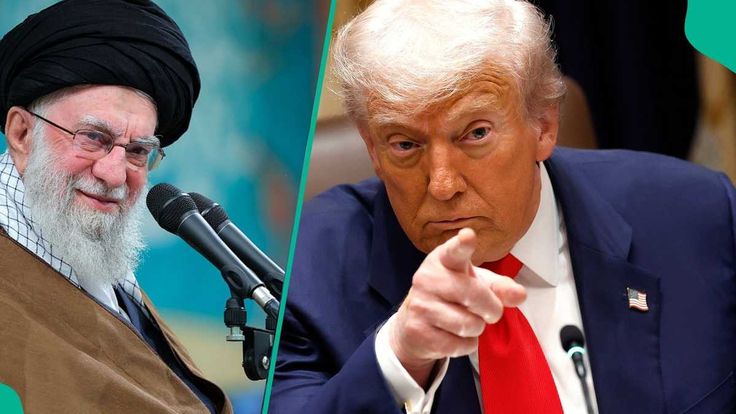
In a notable shift in tone, Trump stated he was “totally open” to making a deal with Iran and believed that Tehran “very much” wants an agreement with Washington.
These comments come as the longstanding nuclear dispute continues to put pressure on US foreign policy. While Trump’s position toward Iran has fluctuated over the years, today’s statement suggests an opening for potential diplomatic engagement.
Saudi Arabia, meanwhile, remains cautious. Analysts point out that Saudi leadership is closely watching any US interaction with Iran, as regional influence remains a central concern for both Riyadh and Tehran.
Focus Turns To Epstein Files During Press Briefing
Even as Trump and MBS outlined major economic and defence developments, reporters repeatedly pressed Trump on the increasingly explosive Epstein files issue. Trump became visibly irritated during one exchange, sharply criticising a reporter and denying any wrongdoing or connection to Epstein’s criminal activities.
He labelled the controversy a “Democrat hoax” and insisted that the administration had already released thousands of pages. Despite his past resistance, Trump recently reversed his position and ordered House Republicans to support full transparency.
The timing of this reversal has intensified public scrutiny, especially as Congress debates releasing the remainder of the documents.
Bipartisan Pressure Builds In Congress
While the Trump Saudi Meeting dominated the headlines, lawmakers across both parties continued pushing for the release of all Epstein related files. Several representatives accused Trump of delaying or obstructing the process, while others praised his recent shift in stance.
Democrats and Republicans both highlighted survivors’ advocacy as a key reason the vote finally progressed. Many argued that transparency is essential to uncovering networks of complicity among wealthy and powerful individuals.
As Trump met with MBS in the Oval Office, critics said the president should have instead met with survivors of Epstein’s abuse. Representative Ro Khanna accused Trump of placing foreign relations ahead of justice for victims.
What The Meeting Means For Global Politics
The Trump Saudi Meeting represents far more than a routine diplomatic encounter. It underscores a shifting geopolitical landscape where economic power, defence partnerships and political pressures intersect at critical moments.
The potential trillion dollar investment could reshape US economic priorities, while the F 35 sale marks a significant realignment in Middle Eastern military dynamics. Additionally, Saudi Arabia’s pursuit of a defence pact raises major questions about future American security commitments in the region.
At home, Trump continues to battle political fallout over the Epstein files, with growing bipartisan demand for transparency. The timing of today’s meeting suggests the administration hopes to redirect public attention toward foreign policy and economic achievement.
What remains clear is that the relationship between the US and Saudi Arabia is entering a new era—one defined not only by traditional oil based ties but by strategic defence integration, deep financial cooperation and shifting regional alliances.
This report is based on information originally published by BBC, with additional analysis and context provided by FFR Politics