Updated by FFRNews on 7 January 2026
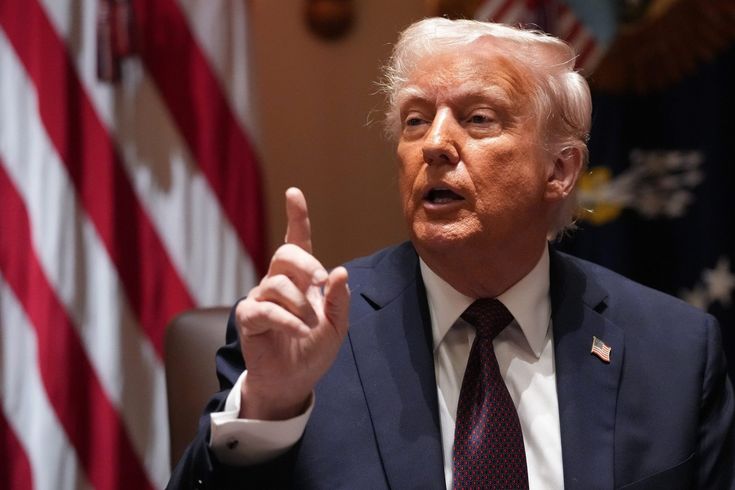
The Trump Venezuela oil deal has ignited global controversy after US President Donald Trump announced that Venezuela will “turn over” between 30 and 50 million barrels of oil to the United States following a US-backed military operation that removed President Nicolás Maduro from power. The oil, valued at approximately $2.8 billion, will be sold at market prices, with Trump stating that the proceeds will be controlled by the US government and used to benefit both Venezuela and the United States, according to reporting by BBC News.
Trump made the announcement on his Truth Social platform just days after Delcy Rodríguez was sworn in as Venezuela’s interim president and Maduro was transported to the United States to face drug trafficking and weapons charges. The dramatic shift in Venezuela’s leadership and the immediate discussion of oil transfers have raised questions about sovereignty, legality, and the long-term feasibility of reviving Venezuela’s struggling oil industry.
Oil Transfer Claims and Trump’s Strategy
In his public statement, Trump claimed that Venezuela’s interim authorities had agreed to hand over up to 50 million barrels of “high-quality, sanctioned oil” to the US. He asserted that the oil would be sold at prevailing market rates and that the funds would be directly overseen by him as president to ensure they are used appropriately.
Trump has repeatedly argued that restoring Venezuela’s oil output would benefit the United States by keeping global oil prices lower, while simultaneously stabilising Venezuela’s economy. Speaking to NBC News earlier this week, Trump said that a productive Venezuelan oil sector would be “good for the United States” and could quickly attract American investment.
However, analysts previously speaking to BBC News have cast doubt on those claims, warning that rebuilding Venezuela’s oil infrastructure would require tens of billions of dollars and could take a decade or longer to reach meaningful production levels.
Venezuela’s Oil Reality
Despite possessing the world’s largest proven oil reserves, estimated at 303 billion barrels, Venezuela’s oil production has been in long-term decline since the early 2000s. Years of underinvestment, mismanagement, corruption, and US-led sanctions have left much of the country’s energy infrastructure in disrepair.
The Trump administration has argued that American oil companies are uniquely positioned to revive Venezuela’s industry. Trump has stated that US firms could have the Venezuelan oil sector “up and running” within 18 months, a timeline that experts say is highly optimistic.
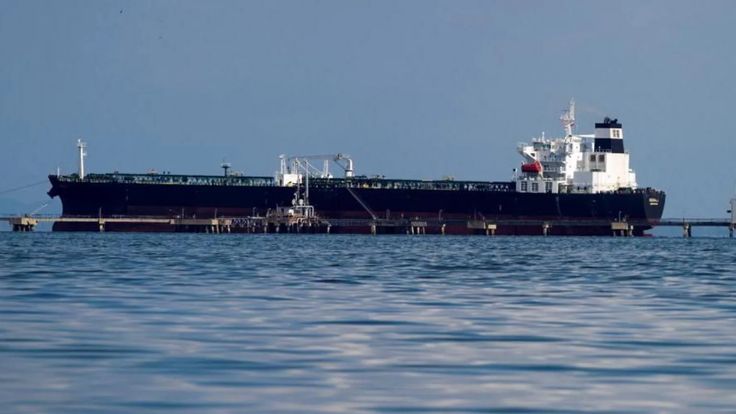
Venezuelan crude oil is also heavy and difficult to refine, limiting the number of US refineries capable of processing it efficiently. At present, Chevron is the only major US oil company still operating in Venezuela under limited licences.
Reaction From US Oil Companies
Major American oil firms have responded cautiously to the announcement of the Trump Venezuela oil deal.
Chevron spokesman Bill Turenne said the company remains focused on employee safety and compliance with all laws and regulations. He declined to comment on future investments, noting the uncertain political and regulatory environment.
ConocoPhillips, which no longer operates in Venezuela, stated that it is monitoring developments but said it would be “premature” to speculate on new investments. ExxonMobil did not immediately respond to requests for comment.
Representatives from several major US petroleum companies are reportedly scheduled to meet with the Trump administration this week, according to CBS News, signalling growing industry interest but also hesitation.
Legal and Historical Disputes
Trump and Vice President JD Vance have claimed that Venezuela “stole” American oil, arguing that US companies were unlawfully stripped of assets. Vance echoed this view on social media, accusing Venezuela of using expropriated oil revenue to fund criminal activities.
However, the reality is more complex. US oil companies historically operated in Venezuela under licence agreements. The country nationalised its oil industry in 1976, and further state control was imposed in 2007 under then-president Hugo Chávez.
In 2019, a World Bank arbitration tribunal ordered Venezuela to pay $8.7 billion to ConocoPhillips as compensation for the 2007 nationalisation. That payment has not been made, leaving unresolved financial disputes between Venezuela and US firms.
According to BBC Verify, experts caution that claims Venezuela “stole” American oil are misleading, as the oil itself was legally owned by the Venezuelan state.
Global Oil Market Impact
Energy analysts remain sceptical that the Trump Venezuela oil deal will significantly affect global oil prices in the near term. Even if US companies begin investing soon, large-scale production increases would take years to materialise.
The global oil market is currently influenced by production decisions from OPEC, geopolitical tensions, and demand fluctuations tied to economic growth. Venezuela’s potential return as a major producer would be significant but far from immediate.
Experts also warn that investors will seek guarantees of political stability, legal clarity, and long-term policy consistency before committing capital to Venezuela’s oil sector.
Political and Ethical Concerns
The announcement has also raised ethical and diplomatic questions. Critics argue that tying oil transfers to a military intervention sets a dangerous precedent and undermines international norms regarding sovereignty and resource ownership.
Human rights groups have expressed concern over the humanitarian impact of the US operation and the rapid restructuring of Venezuela’s leadership. While Trump insists the proceeds will benefit the Venezuelan people, details about how the funds will be distributed remain unclear.
Supporters of the move, particularly among Trump’s political base, argue that removing Maduro and revitalising Venezuela’s economy could stabilise the region and reduce migration pressures.
What Comes Next
The future of the Trump Venezuela oil deal depends on several unresolved factors, including international legal challenges, domestic political opposition, and the willingness of private companies to invest in a volatile environment.
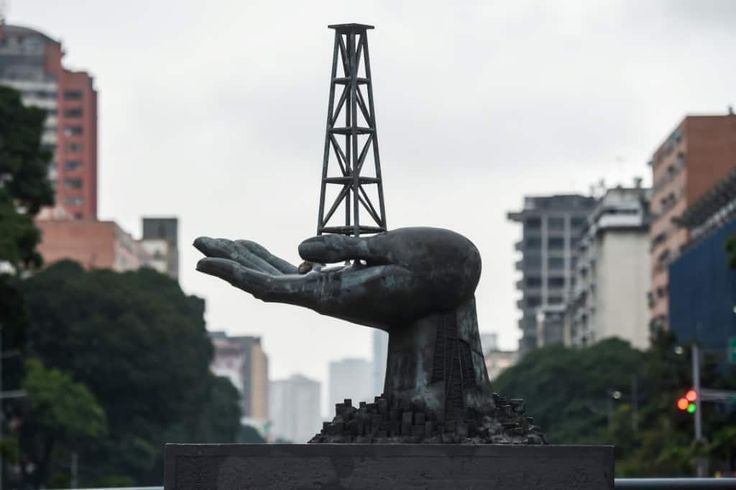
Rebuilding Venezuela’s oil industry will require massive infrastructure upgrades, skilled labour, and sustained investment over many years. While the announcement signals Washington’s intent to reassert influence in Latin America’s energy sector, its success remains uncertain.
As the situation unfolds, Venezuela’s oil — once a symbol of national pride — has again become the centre of a geopolitical struggle with global implications.
For further coverage:
Read more about global energy politics and economic developments in the FFRNews Politics, and follow continuing updates from BBC News for international reporting on oil markets and geopolitical power shifts.
I will right away clutch your rss as I can not in finding your e-mail subscription link or e-newsletter service. Do you’ve any? Please permit me recognize so that I could subscribe. Thanks.
I like this internet site because so much utile material on here :D.
Thank you for the auspicious writeup. It in fact was a amusement account it. Look advanced to far added agreeable from you! However, how could we communicate?
I am sure this post has touched all the internet users, its really really good post on building up new web site.
I will immediately take hold of your rss as I can not in finding your e-mail subscription link or e-newsletter service. Do you have any? Kindly allow me recognise so that I may subscribe. Thanks.
Every weekend i used to visit this web site, as i want enjoyment, as this this web page conations really nice funny data too.
There’s definately a lot to learn about this topic. I like all of the points you made.
Wow, this piece of writing is nice, my sister is analyzing such things, so I am going to tell her.
Incredible! This blog looks exactly like my old one! It’s on a completely different topic but it has pretty much the same page layout and design. Great choice of colors!
Whoa! This blog looks exactly like my old one! It’s on a entirely different subject but it has pretty much the same page layout and design. Superb choice of colors!
zqeohvigv dapoxetine 60 mg online in india side effects qavxfgceq
I am sure this article has touched all the internet people, its really really good article on building up new web site.
I really like it when folks get together and share thoughts. Great website, stick with it!
I just couldn’t go away your web site prior to suggesting that I extremely loved the usual information an individual supply to your guests? Is going to be again ceaselessly to check up on new posts
Hi there, I read your new stuff on a regular basis. Your writing style is awesome, keep it up!
Ahaa, its good conversation concerning this piece of writing at this place at this website, I have read all that, so now me also commenting here.
saying during a premiere for the film ;Draft Dayon Thursday that he will be ready for the Texansorganized team activities.
Hi, I do think this is an excellent website. I stumbledupon it 😉 I will revisit once again since I bookmarked it. Money and freedom is the greatest way to change, may you be rich and continue to guide other people.
I’ll immediately seize your rss as I can’t to find your email subscription hyperlink or e-newsletter service. Do you have any? Kindly allow me understand in order that I may subscribe. Thanks.
I visited many sites however the audio feature for audio songs current at this site is really marvelous.
I’m not that much of a online reader to be honest but your sites really nice, keep it up! I’ll go ahead and bookmark your website to come back down the road. Many thanks
I am sure this post has touched all the internet people, its really really nice piece of writing on building up new website.
Whoa! Thiss log lookks just like mmy olld one! It’s on a entirrely differebt topic butt itt hass pretty much tthe same pzge ayout andd design. Outstanding coice off colors!
Wow that was strange. I just wrote an incredibly long comment but after I clicked submit my comment didn’t show up. Grrrr… well I’m not writing all that over again. Anyway, just wanted to say wonderful blog!