

Typhoon Fung wong Philippines has triggered mass evacuations across the nation as authorities warn of catastrophic winds, storm surges, and flooding. More than 900,000 residents have fled their homes ahead of the super typhoon’s landfall, expected Sunday evening, in what officials are calling one of the most dangerous weather events in recent years.
The Philippine Atmospheric, Geophysical and Astronomical Services Administration (PAGASA) has upgraded the storm to a super typhoon, with sustained winds of 185 km/h (115 mph) and gusts of up to 230 km/h (143 mph). Moving northwest toward Luzon, the country’s most populous island, Fung-wong—known locally as Uwan—poses a severe threat to millions of people.
“An Absolutely Massive Storm”
BBC’s Southeast Asia correspondent Jonathan Head described Fung-wong as “an absolutely massive storm,” emphasizing that its size and trajectory could lead to widespread destruction even in areas not directly on its path. The eastern Bicol region was the first to experience heavy winds and rain on Sunday morning before the storm swept past the Polillo Islands in the afternoon.
Local authorities have suspended nearly 300 flights, and several schools have either canceled classes or shifted to online instruction as a precaution. Many coastal hotels and resorts have been completely evacuated under police supervision, with local officers going door-to-door to ensure compliance.
In the coastal town of Sabang, Aurora, a hotel worker named Hagunoy told BBC News that police had visited multiple times to confirm guests were evacuated. “We tied our windows shut with ropes and secured the gates,” he said, adding that he planned to stay only until conditions worsened before heading home to safety.
High-Risk of Life-Threatening Storm Surges
PAGASA issued a high-level alert warning of life-threatening storm surges with waves exceeding 3 meters (10 feet). The agency also forecast over 200mm of rainfall in parts of Luzon and 100-200mm in Metro Manila, increasing the likelihood of severe flooding and landslides.
The Aurora and Quezon provinces are expected to take a direct hit, with the government urging residents in low-lying coastal areas to evacuate to higher ground.
“This typhoon’s wind speeds and rainfall rates are similar to those of Typhoon Haiyan,” said Dr. Clarissa Gomez, a climate scientist at the University of the Philippines. “The concern now is not just wind damage but also flash floods and landslides triggered by the already saturated ground following Typhoon Kalmaegi.”
Still Recovering from Typhoon Kalmaegi
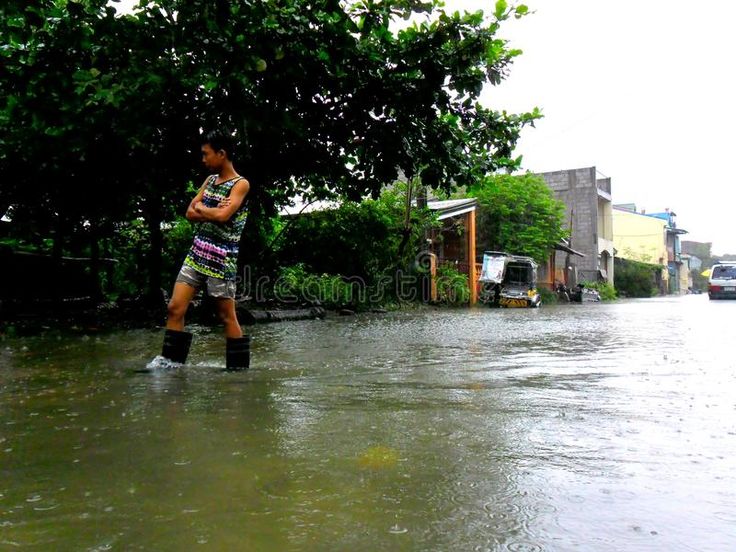
The arrival of Typhoon Fung-wong comes only days after Typhoon Kalmaegi wreaked havoc across the Philippines, leaving nearly 200 people dead and dozens missing. Entire neighborhoods were swept away by flash floods and landslides, forcing the government to declare a state of calamity nationwide.
Emergency services are already stretched thin, and the Philippine Coast Guard has suspended rescue and recovery operations in anticipation of the new storm. “We are prioritizing evacuation and safety over all else,” said a Coast Guard spokesperson. “This is not the time to risk additional lives.”
The government has authorized local authorities to access emergency funds to expedite the delivery of food, medicine, and shelter supplies to evacuation centers.
Lives Uprooted Again
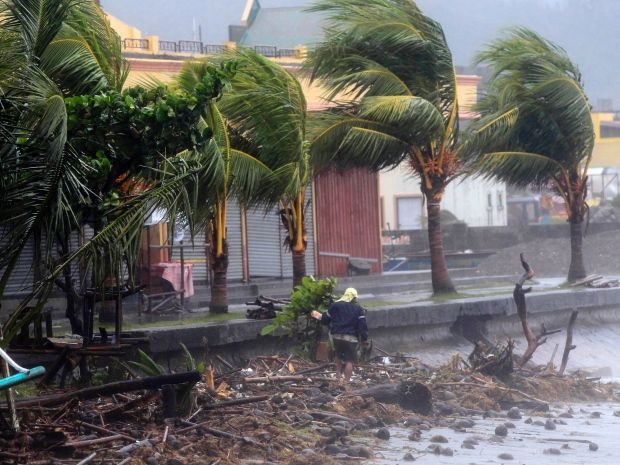
For many Filipinos, the trauma from recent storms remains fresh. In the city of Sorsogon, evacuee Norlito Dugan shared his fears with AFP: “We decided to evacuate because the last typhoon brought floods in our area. Now I just want to keep my family safe.”
Another resident, Maxine Dugan, said she left her home when waves near her coastal neighborhood grew dangerously high. “I don’t want to take any chances this time,” she said from a shelter in Luzon’s Aurora region, where hundreds of families are gathered.
At a sports center turned evacuation site, parents held tightly to their children—many too young to remember Typhoon Haiyan, which killed more than 6,000 people when it struck the Philippines in 2013.
The Storm’s Path and Forecast
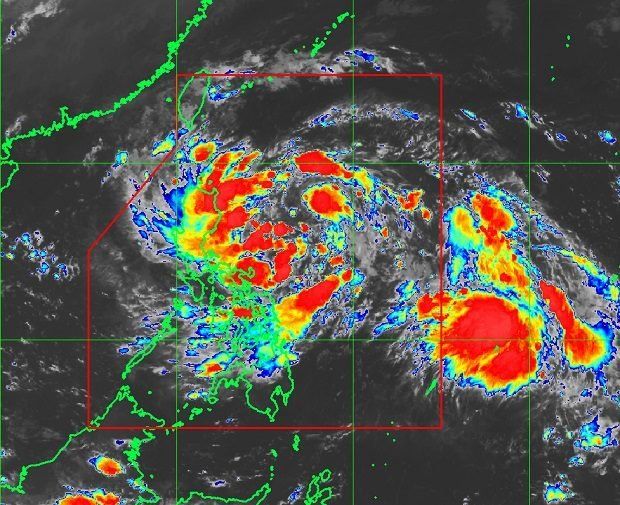
Meteorologists predict that Fung-wong will make landfall between Baler and Casiguran before crossing Luzon and exiting toward the South China Sea. It is then expected to weaken as it approaches Taiwan by Tuesday, although it will likely remain a category-one typhoon with sustained high winds.
A storm path graphic released by the Joint Typhoon Warning Center (JTWC) indicates that much of northern Luzon will experience hurricane-force winds for more than 12 hours. The central highlands and Metro Manila are also at risk of significant rainfall, power outages, and localized flooding.
The Department of Energy has preemptively shut down portions of the power grid in at-risk areas to prevent electrical hazards, while telecommunication firms have deployed mobile towers to ensure communication remains stable in evacuation zones.
Regional Impact and Climate Concerns
The storm’s reach extends beyond the Philippines. In Vietnam, heavy winds from Kalmaegi—Fung-wong’s predecessor—already caused fatalities and infrastructure damage, raising regional concern over the intensifying storm patterns.
Climate scientists say while the number of typhoons forming annually in the Pacific remains relatively stable, their intensity is increasing due to warmer ocean temperatures caused by climate change.
“Warmer seas provide more energy for storms to intensify quickly,” said Dr. Gomez. “Even if we don’t see more storms, the ones that do form are becoming more powerful and more destructive.”
The Philippines, located in the heart of the Pacific’s tropical storm corridor, faces an average of 20 typhoons per year, with about half making landfall. Its geography and population density make it one of the most disaster-prone nations in the world.
Government and International Response
In preparation for Fung-wong, the Philippine government has coordinated with the United Nations Office for Disaster Risk Reduction (UNDRR) and several humanitarian organizations to mobilize emergency supplies, including clean water, medical kits, and food rations.
UN spokesperson Stephane Dujarric stated that relief teams are on standby to provide assistance once the storm passes and roads become accessible. Neighboring countries including Japan and South Korea have also pledged support for potential post-typhoon recovery efforts.
End of an Empire, Beginning of a Warning
Typhoon Fung-wong serves as a chilling reminder that climate extremes are no longer distant threats but recurring realities. As the Philippines faces yet another devastating storm season, it underscores the urgent need for stronger infrastructure, better forecasting systems, and international collaboration on climate resilience.
For millions of Filipinos huddled in shelters tonight, survival once again depends not only on preparation—but on hope that this storm, like many before it, will pass without breaking the human spirit that defines the islands.
This report is based on information originally published by BBC News, with additional analysis and context provided by FFR News for clarity and SEO optimization.