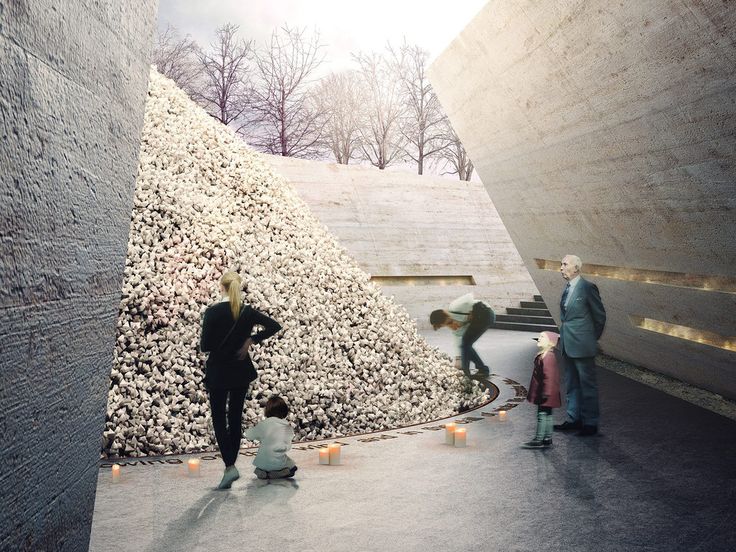
The UK Holocaust Memorial Day controversy has become a major news story across the United Kingdom following this year’s Holocaust Memorial Day (January 27) observances, public reactions, and criticism of how the event was covered and commemorated by media, educational institutions, and political figures.
Every year on January 27, the anniversary of the liberation of Auschwitz-Birkenau is marked with remembrance events to honour the six million Jewish people murdered by the Nazis during the Holocaust, alongside millions of other victims of genocide. This year’s observances have drawn heightened attention and controversy for multiple reasons — most notably how major broadcasters handled coverage and the broader question of how Holocaust education and awareness are being maintained in British society.
BBC Apology Sparks National Outrage
One of the biggest flashpoints in the UK Holocaust Memorial Day controversy was a public backlash against BBC coverage of Holocaust Memorial Day. On January 27, several BBC news bulletins and programme segments referred to “six million people murdered” by the Nazi regime without explicitly identifying them as Jewish. This omission provoked widespread criticism from Jewish communities, historians, and media watchdogs who argued that failing to name Jewish victims erased the historical specificity of the Holocaust.
In response, the BBC issued an official apology, acknowledging that references in bulletins were incorrectly worded and confirming that the correct phrasing should have been “six million Jewish people.” The broadcaster said it would issue a correction on its website and emphasized that other commemorative programming did appropriately mention Jewish victims.
Critics including Holocaust Educational Trust leaders and public figures described the error as “hurtful, disrespectful, and wrong,” especially at a time when rising antisemitism makes accurate historical memory more important than ever.
Concern Over Holocaust Education in Schools
Another major element of the UK Holocaust Memorial Day controversy involves ongoing concerns about Holocaust education in British schools. Recent research from the UCL Centre for Holocaust Education shows that while student knowledge has improved compared to past years, many teenagers still struggle with basic facts about the Holocaust — including details of what happened, to whom, and why.
The study, published on Holocaust Memorial Day, revealed that around 73% of surveyed secondary students correctly identified that six million Jewish people were murdered — an improvement from previous years — but gaps and misconceptions persist. Educators argue that teachers need more specialist training, resources, and structured guidance to teach the subject effectively.
Holocaust education has been mandatory in the UK national curriculum for decades, but experts emphasize that mandatory status alone is insufficient without clear teaching guidelines, professional development, and classroom support. They also warn that the growing influence of unverified or misleading content on social media complicates efforts to build accurate historical understanding among young people.
Sharp Decline in School Participation in Memorial Events
Data from the Holocaust Memorial Day Trust and related reports indicate a significant drop in the number of UK schools actively marking Holocaust Memorial Day in recent years. Participation in organised school events has fallen sharply since 2023, with fewer than 900 secondary schools taking part in 2025 — a drop of nearly 60% compared with earlier years.
Chief Rabbi Sir Ephraim Mirvis voiced concern that pressures, including fears of controversy among parents and students, may be discouraging schools from engaging with the annual memorial day. He cautioned that such retreat from commemoration may weaken Holocaust remembrance at a time when knowledge gaps and historical ignorance are rising.
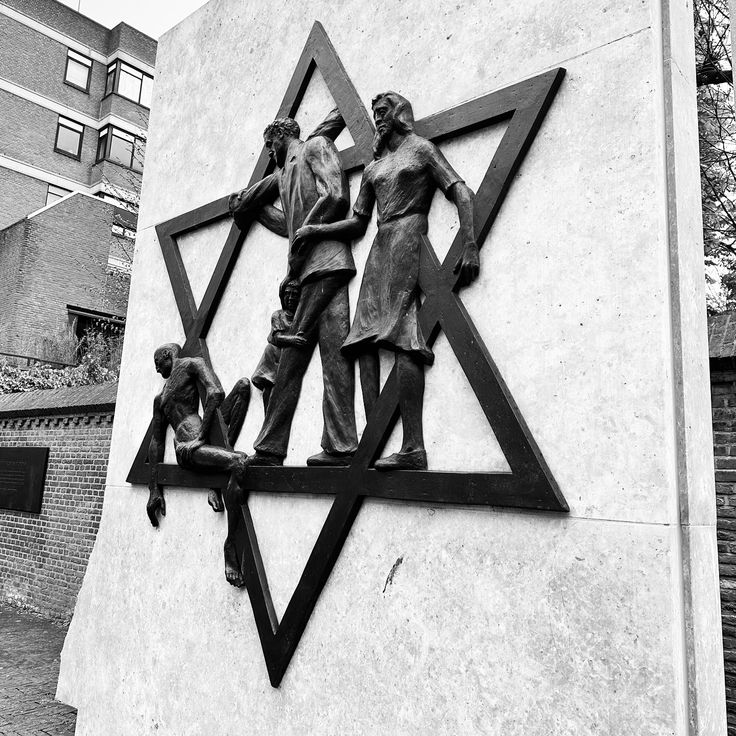
Political and Religious Leaders Mark Remembrance
Despite the controversy, British leaders have actively participated in Holocaust Memorial Day events across the UK, underscoring the solemn significance of remembrance. High-profile figures, including members of the House of Lords, took part in debates and speeches highlighting the importance of Holocaust memory and education.
In addition, multi-faith and local community events brought together residents, survivors, and students to reflect on historical lessons and their relevance today. These included memorial services, educational workshops, and artistic tributes aimed at fostering understanding across generations.
At Buckingham Palace, The King and Queen hosted a reception attended by Holocaust survivors and educational advocates, where candles were lit and portraits of survivors were displayed to commemorate the day.
Debate Over Antisemitism and Its Impact
The UK Holocaust Memorial Day controversy also intersects with broader discussions about antisemitism in British society. Critics argue that lapses such as the BBC wording incident are especially sensitive against the backdrop of rising antisemitic incidents, including online harassment and hate crimes reported by community security organisations.
Religious leaders, including the Bishop of Coventry, have warned in national speeches that antisemitism continues to affect Jewish communities in the UK and emphasised the need for collective efforts to promote understanding, tolerance, and peacebuilding.
Importance of Keeping Holocaust Memory Alive
For many advocates and educators, the controversy has underscored a deeper societal challenge: how to ensure that the memory of the Holocaust remains vibrant and accurate as the generation of survivors ages. With fewer first-hand witnesses alive to tell their stories, there is a growing push for improved educational efforts, community engagement, and public commemoration across Britain.
Holocaust Memorial Day organisers stress that remembrance is not just a historical exercise but a living commitment to confronting hatred, prejudice, and discrimination in the present — a message they fear may be diluted if memory fades or is inaccurately represented.
This report is part of FFRNEWS UK & World Politics coverage, tracking major societal and historical discussions shaping public discourse in Britain and beyond. Reporting is based on verified news sources and official statements.