
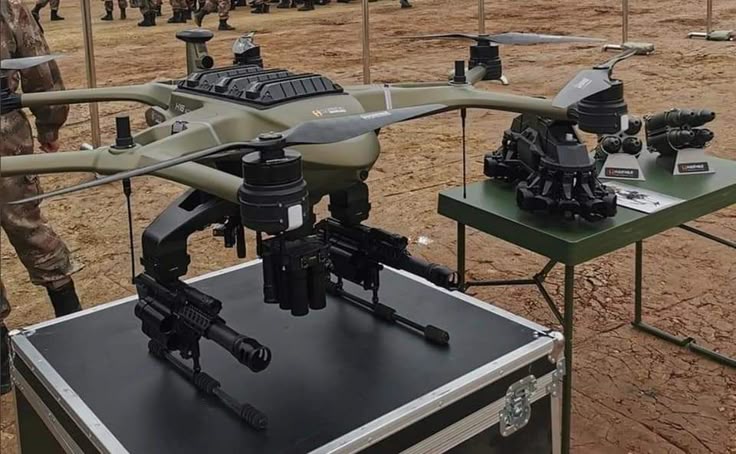
UK military Belgium drone incursions — The United Kingdom has officially deployed troops and advanced anti-drone systems to Belgium after a wave of drone incursions disrupted flights and threatened civilian safety. The unprecedented move underscores how seriously NATO allies are taking what could be a new front in hybrid warfare, potentially orchestrated by Russia.
Britain Answers Belgium’s Urgent Call
The head of the UK military, Sir Richard Knighton, confirmed that the deployment was initiated after Belgium requested immediate assistance. “We don’t yet know the exact source of those drones,” Knighton told the BBC, “but it’s plausible that they were ordered by Moscow.”
Knighton explained that UK personnel and specialized anti-drone technology are already being delivered to Belgium. The response aims to strengthen airspace surveillance and neutralize any further drone activity around critical locations, including Brussels’ Zaventem Airport and nearby military installations.
This incident highlights the evolving nature of modern threats—where invisible machines can disrupt entire nations without firing a single shot. Britain’s swift involvement demonstrates a powerful reaffirmation of NATO solidarity and a warning to potential aggressors.
Airport Chaos and Civilian Disruption
The UK military Belgium drone incursions came to global attention when Brussels Airport—one of Europe’s busiest—was forced to shut down temporarily after drones were spotted close to commercial airspace. The closure affected over 3,000 passengers, with dozens of flights cancelled or rerouted.
A spokesperson for Brussels Airlines said, “The financial cost and passenger impact were enormous. But beyond that, this exposed how vulnerable our infrastructure has become to aerial interference.”
Additional drone sightings were reported near a Belgian air base, raising alarms that the incursions might not be random but rather part of a coordinated probing effort.
A Plausible Russian Hand
Belgian Defence Minister Theo Francken said that while there is no hard evidence linking the drones to Russia, the pattern strongly aligns with Moscow’s recent behavior. “At first, drones over our military bases were considered isolated incidents. Now, it’s a continental threat impacting civilian infrastructure,” he stated.
Sir Richard Knighton echoed that concern, describing Russia as Europe’s most pressing threat. He added, “The illegal invasion of Ukraine revealed the barbaric nature of Russia’s war machine. Hybrid warfare—sabotage, misinformation, and now drone incursions—is how they test our resilience.”
Germany’s Defence Minister Boris Pistorius announced that Berlin will also assist Belgium with anti-drone defenses. He warned, “Hybrid attacks are increasing in frequency and complexity. This is not just Belgium’s problem—it’s NATO’s problem.”
A Pattern of Escalation Across Europe
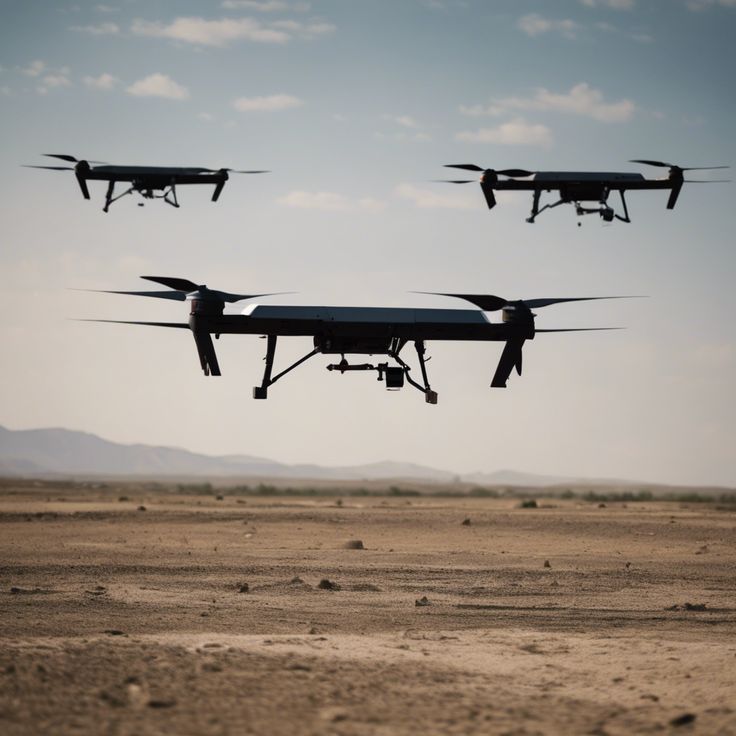
The UK military Belgium drone incursions are the latest in a string of drone-related incidents disrupting Europe’s airspace. In Sweden, Denmark, and Norway, similar episodes forced temporary airport closures earlier this year.
Analysts suspect these incursions are a form of psychological warfare—an effort to test Europe’s air defenses, sow confusion, and expose weaknesses.
The European Union’s recent move to redirect frozen Russian assets into a €140 billion fund for Ukraine could be a trigger. Multiple security experts told FFR News that Russia may be retaliating indirectly, using drone disruptions as a message of defiance.
NATO’s Unified Response
UK Defence Secretary John Healey released a statement emphasizing alliance unity:
“As hybrid threats grow, our strength lies in alliances and our collective resolve to defend, deter, and protect our infrastructure and skies.”
The UK’s anti-drone package includes radar sensors, electronic jamming systems, and AI-based tracking software that can detect, identify, and neutralize hostile drones in seconds. This technology has been developed by the Royal Air Force in partnership with BAE Systems, marking one of the most sophisticated defense responses in NATO’s arsenal.
Healey also highlighted that this deployment serves as a template for future European cooperation, where allies can rapidly assist one another in cyber, aerial, and maritime threats.
Political Reaction and Defence Spending
The Shadow Defence Secretary James Cartlidge welcomed the government’s quick action but criticized its long-term defense spending pace. “We’re living in a heightened threat environment,” he said. “If 2.5% of GDP is coming in 2027, that’s too late. Europe’s skies are being tested now.”
The UK government insists its spending increase—to 2.5% of GDP by 2027, and 3% in the following term—will ensure sustained modernization across the military, including drone countermeasures, AI reconnaissance, and cyber defense systems.
Hybrid Warfare: The New Frontline
The UK military Belgium drone incursions serve as a stark reminder that the next generation of conflict may not unfold through tanks and missiles—but through silent, remote, and untraceable operations.
Hybrid warfare combines military, digital, and psychological tactics to destabilize opponents without overt confrontation. It’s cheaper, deniable, and often more effective. Russia’s previous cyberattacks on energy grids, GPS systems, and communication networks are prime examples of this evolving threat landscape.
Dr. Helena Rousseau, a defense analyst at the European Security Institute, told FFR News:
“Hybrid warfare exploits ambiguity. Nations struggle to respond because it’s not technically war—but it feels like one. Europe’s challenge is to upgrade detection systems, data-sharing, and coordination faster than the attackers adapt.”
Rising Global Tensions
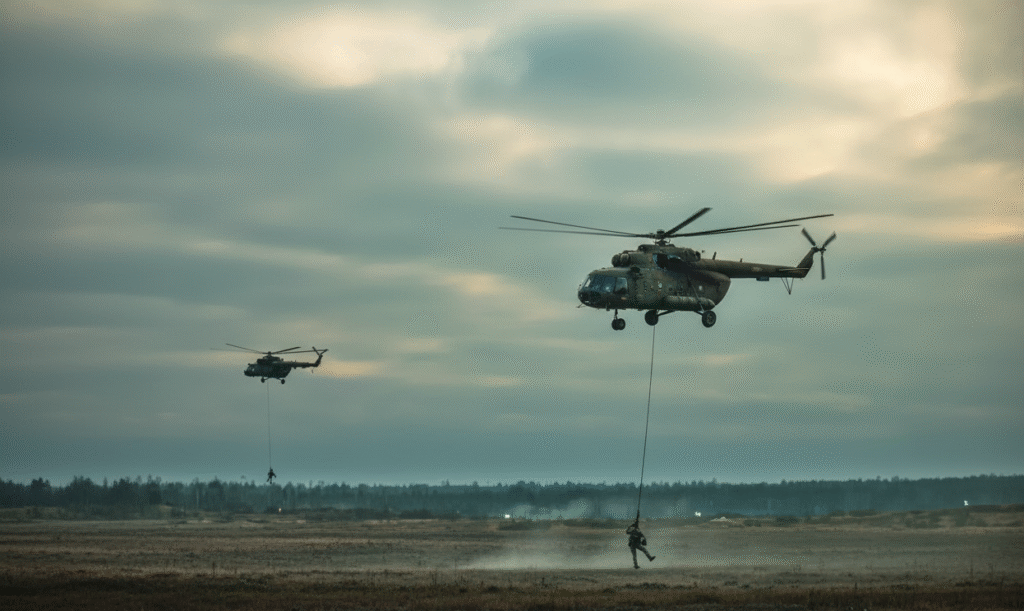
The UK military Belgium drone incursions reflect a broader geopolitical pattern: the weaponization of civilian technology. Drones, once symbols of innovation and efficiency, have become tools for intimidation.
Across the world, defense agencies are investing billions in anti-drone technologies, including AI-driven radar, laser interceptors, and electronic warfare tools capable of taking down fleets of drones simultaneously.
Belgium has now fast-tracked its Drone Defense Network, an initiative to protect not just airports but energy facilities, data centers, and military outposts. NATO sources confirm that joint drills involving UK, German, and Belgian forces are scheduled within weeks to test the new systems in live conditions.
What Comes Next for Europe
The rapid deployment of the UK military to Belgium marks a new chapter in Europe’s evolving defense doctrine—one that treats airspace and cyber threats as equally critical.
As Brussels regains control over its skies, security officials remain cautious. “We’ve entered an era where the line between peace and war is blurred,” one NATO intelligence officer told FFR News. “We’re preparing for conflicts that may never be officially declared.”
End of an Empire, Beginning of a Warning
The UK military Belgium drone incursions aren’t just another security story—they’re a warning to the world. The age of invisible warfare has arrived.
Europe’s defense is no longer about armies at borders but about the ability to detect, deter, and disrupt threats before they strike. The UK’s decisive intervention in Belgium may well define the new blueprint for 21st-century defense: swift, smart, and strongly united.
This report is based on information originally published by BBC News, with additional analysis and context provided by FFR News.