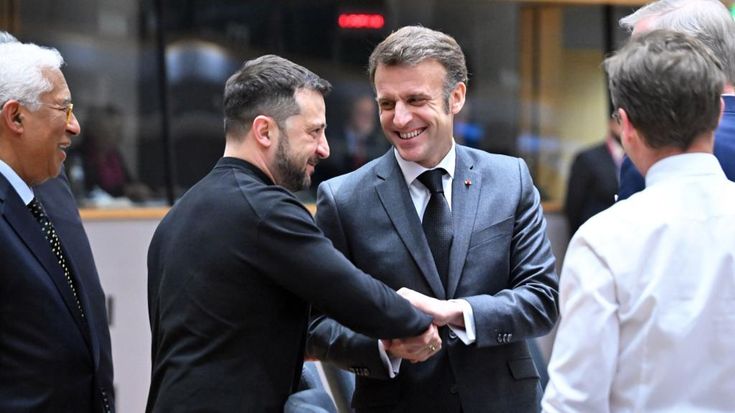
Ukraine Russia US peace talks are set to enter a new and unprecedented phase after Ukrainian President Volodymyr Zelenskyy confirmed that officials from Kyiv, Moscow, and Washington will meet together for the first time in an effort to end the nearly four-year-long war.
Speaking during the World Economic Forum in Davos, Zelenskyy said the trilateral meetings will take place in Abu Dhabi over Friday and Saturday, calling the talks a significant step toward a possible diplomatic breakthrough as pressure mounts to resolve Europe’s deadliest conflict since World War II.
The announcement comes amid growing international concern over the humanitarian toll of the war and increasing economic strain across Europe and global markets.
First Trilateral Talks Mark Diplomatic Shift
Zelenskyy described the upcoming discussions as the “first trilateral meeting” involving Ukraine, Russia, and the United States, signaling a notable shift from previous negotiations that largely took place through indirect or bilateral channels.
The Ukrainian leader said key elements of security guarantees for Ukraine have already been finalized and that progress has been made toward a post-war economic recovery framework. These talks, he added, are aimed at correcting earlier proposals that Kyiv viewed as disproportionately favoring Moscow.
There was no immediate public response from the Kremlin regarding participation details, though US officials have confirmed their involvement in facilitating the talks.
US Envoy Says Negotiations Down to One Issue
US special envoy Steve Witkoff said negotiations between Ukraine and Russia have reached a critical stage, with talks now narrowed to what he described as “one remaining issue.”
Speaking at the World Economic Forum, Witkoff said repeated discussions around the unresolved issue indicate it is “solvable,” suggesting that both sides may be closer to compromise than at any previous point in the conflict.
According to Witkoff, US officials will travel to Moscow for additional discussions before heading to Abu Dhabi, where military-to-military working groups are expected to take part in parallel negotiations.
Trump and Zelenskyy Meet in Davos
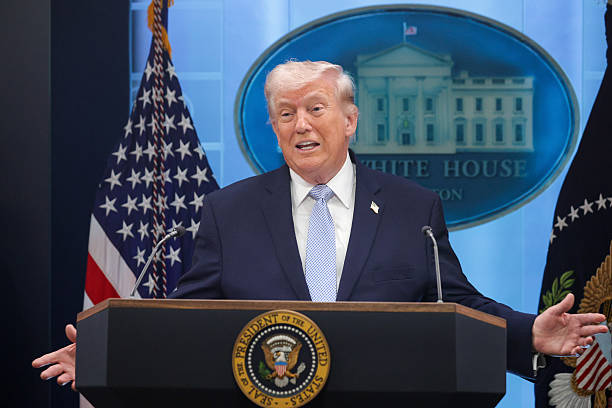
The announcement of the peace talks followed a high-profile meeting between Zelenskyy and US President Donald Trump on the sidelines of the Davos summit. Trump described the meeting as “good,” emphasizing that efforts to end the war remain an ongoing process.
Zelenskyy called the talks “productive and substantive,” noting that key documents related to security guarantees and post-war reconstruction funding are now more advanced. He has repeatedly said that any final agreement must include concrete protections for Ukraine’s sovereignty and long-term security.
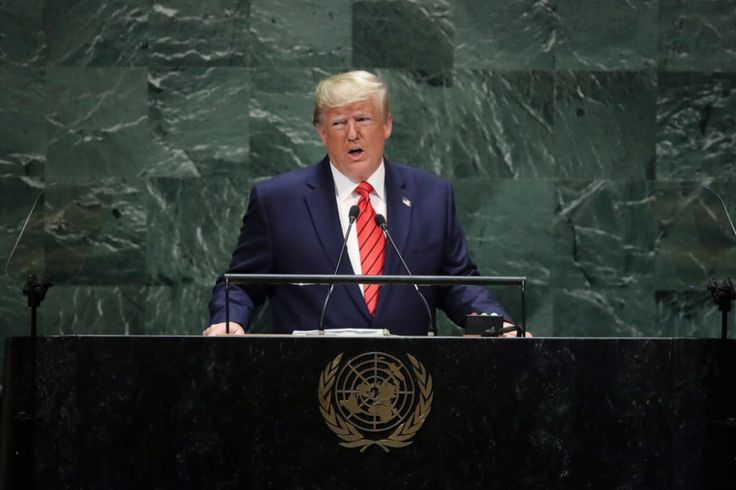
Trump later said he believes both Russian President Vladimir Putin and Zelenskyy are close to a deal, warning that failure to reach an agreement would reflect poorly on both sides.
Key Issues Still Unresolved
While details of the remaining sticking point were not publicly disclosed, Zelenskyy previously identified two core issues: the long-term status of Ukrainian territories occupied by Russian forces and control of the Zaporizhzhia nuclear power plant, which remains under Russian occupation.
The fate of frozen Russian assets in Europe has also emerged as a contentious topic. Addressing global leaders in Davos, Zelenskyy criticized European governments for failing to use seized Russian funds to support Ukraine’s defense and reconstruction.
“This is the fourth year of the biggest war in Europe since World War II,” Zelenskyy said, adding that accountability for those responsible remains a central concern.
War Continues as Talks Approach
Despite diplomatic momentum, fighting on the ground continues. Russian drone and missile attacks this week left large parts of Kyiv without electricity and heat during sub-zero temperatures, while a strike in Odesa killed a 17-year-old and damaged residential buildings.
NATO Secretary-General Mark Rutte welcomed renewed diplomatic efforts but cautioned that peace would not come immediately, stressing the need for continued military support for Ukraine during negotiations.
Observers say the Abu Dhabi talks represent the most serious attempt yet to end the war, but warn that expectations should remain measured given the complexity of the issues involved.
This report is part of FFRNEWS Politics coverage, drawing on reporting by Al Jazeera, statements made at the World Economic Forum in Davos, and international wire services detailing diplomatic developments surrounding the Ukraine war and ongoing US-led mediation efforts.