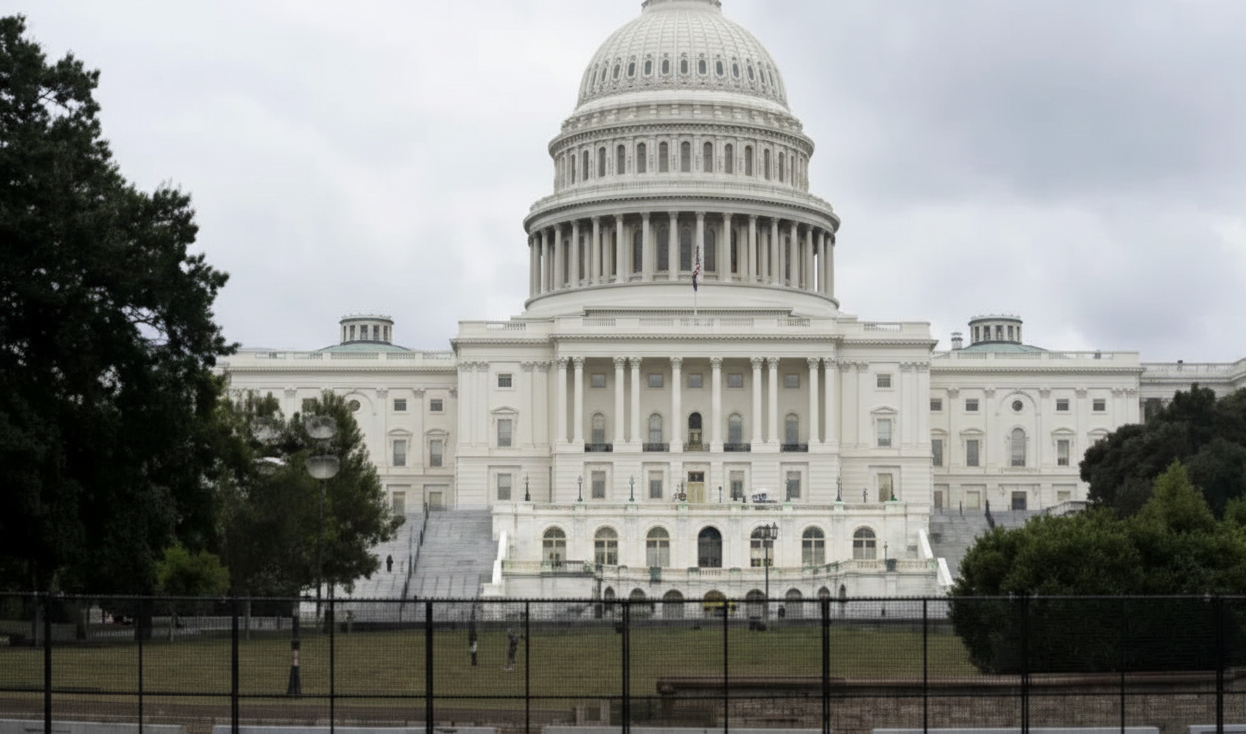
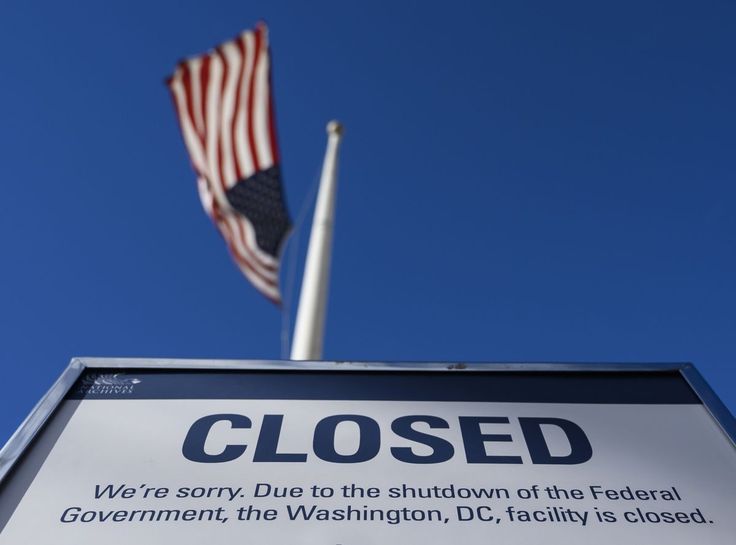
The U.S. Government Shutdown 2026 is once again placing Washington in political turmoil as Congress moves toward a partial funding lapse primarily affecting the Department of Homeland Security (DHS). With lawmakers and the White House unable to finalize appropriations before the deadline, essential federal operations face disruption.
This marks the third shutdown during President Donald Trump’s second term, underscoring how funding standoffs are increasingly becoming a recurring feature of American governance rather than rare emergencies.
What Is the U.S. Government Shutdown 2026?
The U.S. Government Shutdown 2026 refers to a partial federal funding lapse triggered by Congress’s failure to pass appropriations bills on time. In this case, the shutdown mainly impacts the Department of Homeland Security.
DHS oversees several critical national functions, including:
- Border security and immigration enforcement
- Transportation Security Administration (TSA) operations
- Federal Emergency Management Agency (FEMA) disaster response
- Cybersecurity and Infrastructure Security Agency (CISA) monitoring
- U.S. Coast Guard maritime security
Although essential personnel must continue working, many federal employees may face furloughs or delayed pay.
Why the U.S. Government Shutdown 2026 Is Happening
The primary cause of the U.S. Government Shutdown 2026 is disagreement over funding priorities between congressional Republicans, Democrats, and the White House.
Major sticking points include:
- Border security funding allocations
- Immigration enforcement policies
- Disaster relief spending
- Broader federal budget caps
Both political parties appear to believe they can gain strategic advantage from the standoff. As election cycles intensify, compromise becomes more difficult, and funding deadlines become leverage points.
Critical Impacts of the U.S. Government Shutdown 2026
1. Homeland Security Workforce Disruptions
The most immediate effect of the U.S. Government Shutdown 2026 is felt by DHS employees.
- Thousands may be furloughed.
- TSA and border agents could work without immediate pay.
- Administrative backlogs may increase.
Previous shutdowns have demonstrated how prolonged uncertainty affects morale and operational efficiency within federal agencies.
2. National Security and Border Operations Pressure
Even though frontline services continue, the U.S. Government Shutdown 2026 can strain national security operations.
- Immigration processing delays may worsen.
- Infrastructure projects could pause.
- Cybersecurity monitoring efforts may face staffing shortages.
Short-term disruptions may appear manageable, but extended funding gaps can create cumulative strain.
3. Economic and Market Uncertainty
The U.S. Government Shutdown 2026 also introduces broader economic concerns.
Potential consequences include:
- Delayed federal contractor payments
- Disrupted economic data releases
- Heightened investor uncertainty
While markets historically withstand short shutdowns, prolonged stalemates can influence growth forecasts and business confidence.
Political Normalization of Shutdowns
The U.S. Government Shutdown 2026 reflects a larger trend in American politics: shutdowns are becoming increasingly normalized as negotiation tactics.
In past decades, shutdowns were politically damaging events. Today, polarization and divided public opinion reduce the urgency for compromise. This evolving landscape signals deeper structural challenges in federal budget management.
What Happens Next?
Resolution of the U.S. Government Shutdown 2026 depends on whether Congress passes:
- A short-term continuing resolution
- A targeted DHS funding bill
- A comprehensive omnibus spending package
Public pressure, economic signals, and political calculations will determine how long the shutdown lasts.
Final Outlook
The U.S. Government Shutdown 2026 highlights the fragility of the federal funding process in a deeply polarized political environment. While essential services remain operational, the broader impact on federal workers, public confidence, and economic stability is significant.
If lawmakers fail to act quickly, the normalization of shutdowns may further erode institutional trust and governance stability in the United States.
This report is part of FFRNEWS Politics coverage, tracking major developments in U.S. governance and federal funding negotiations. Details in this article are based on official congressional budget proceedings and public statements regarding the Department of Homeland Security funding discussions, along with reporting from leading national policy coverage outlets monitoring the U.S. Government Shutdown 2026.