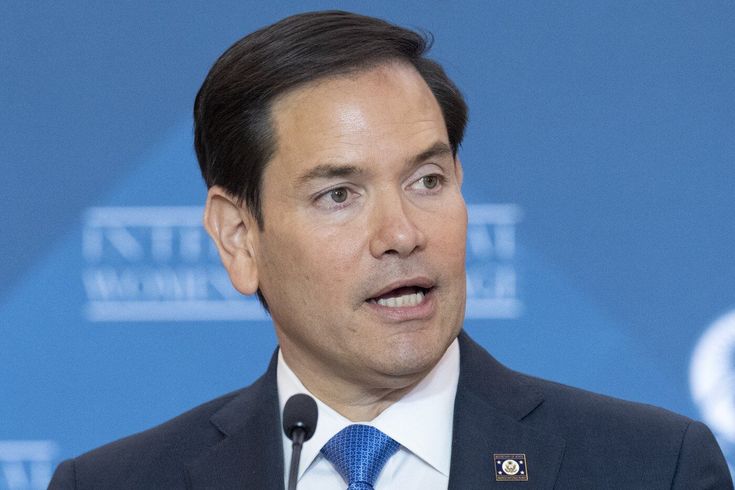
U.S.–Hungary civilian nuclear pact talks took a major step forward after U.S. Secretary of State Marco Rubio met with Hungary’s Deputy Foreign Minister Levente Magyar in Budapest, signaling a new push for stronger cooperation between Washington and one of Central Europe’s most strategically positioned nations. The meeting focused on advancing a civilian nuclear cooperation agreement, a move that could reshape energy partnerships, strengthen political alliances, and increase U.S. influence in Europe’s evolving security landscape.
The talks come at a time when energy security has become one of the most critical political issues across Europe. With rising tensions globally and increasing competition over energy supply chains, the United States is working to deepen partnerships with key European allies. Hungary, with its unique position in the European Union and its complex relationships with both Western powers and Russia, has emerged as a significant political and economic player in the region.
What the U.S.–Hungary Civilian Nuclear Pact Talks Mean
The U.S.–Hungary civilian nuclear pact talks are aimed at creating a formal framework for nuclear cooperation, typically involving areas such as nuclear technology exchange, regulatory coordination, energy investment, and peaceful nuclear development. Such agreements often allow countries to collaborate on nuclear energy projects while ensuring safety standards and international compliance.
For Hungary, nuclear power is already a major part of its energy infrastructure. The country relies heavily on its nuclear power facilities to meet domestic electricity demand. By strengthening ties with the United States in this sector, Hungary could potentially diversify its energy partnerships and reduce dependence on limited suppliers.
For the United States, the talks represent a strategic opportunity to expand American influence in Central Europe and offer an alternative energy partnership model aligned with Western standards.
Marco Rubio’s Diplomatic Push in Budapest
Secretary of State Marco Rubio’s meeting in Budapest highlights the growing importance of Hungary in U.S. foreign policy planning. Rubio has been active in strengthening U.S. relationships in Europe, particularly at a time when geopolitical tensions continue to reshape alliances.
During the Budapest meeting, Rubio reportedly emphasized cooperation not only on nuclear energy but also on broader strategic issues, including regional security, economic ties, and international stability. While the focus of the discussion was civilian nuclear cooperation, such meetings often reflect larger diplomatic priorities.
The presence of high-level U.S. leadership in these talks signals that Washington sees the agreement as more than just an energy deal—it is also a political statement of partnership.
Why Hungary Is a Key Strategic Partner in Central Europe
Hungary sits in a vital geographic and political position in Europe. It borders several key European nations and plays an important role in EU decision-making. This makes Hungary an influential actor in Central European diplomacy.
However, Hungary has also faced criticism from Western leaders over its political stance on certain issues, including its approach to Russia and its domestic governance policies. Despite these concerns, the U.S.–Hungary civilian nuclear pact talks indicate that Washington is seeking practical cooperation where mutual interests align.
Hungary’s importance is further strengthened by its role in regional energy networks. The country acts as a transit and energy hub, making it valuable in any broader European energy security strategy.
Energy Security Becomes a Political Priority
Energy security has become one of the defining political topics in Europe. Rising fuel costs, concerns over supply disruptions, and the continuing impact of geopolitical conflict have pushed European nations to search for stable energy partnerships.
Civilian nuclear energy is increasingly seen as one of the most reliable long-term solutions for stable electricity supply, especially as Europe transitions away from fossil fuels while still facing demand growth.
The U.S.–Hungary civilian nuclear pact talks are therefore happening at a moment when nuclear energy is being reconsidered as a crucial tool for national energy stability. Many countries now see nuclear power as a bridge between economic growth and climate commitments.
U.S. Influence and Competition With Other Global Powers
A key reason the U.S.–Hungary civilian nuclear pact talks matter is that nuclear energy is not only about electricity—it is also about global influence.
Russia has historically played a major role in European nuclear infrastructure, including in Hungary. China has also expanded its presence globally through infrastructure investments and energy development partnerships.
By pursuing a civilian nuclear cooperation agreement with Hungary, the United States could strengthen its strategic position and provide an alternative partnership model. It could also open the door for American companies to compete in nuclear-related projects, from technology and engineering to fuel supply and safety systems.
This is part of a broader geopolitical competition where energy partnerships often define long-term alliances.
Economic Impact of a Civilian Nuclear Agreement
A successful civilian nuclear pact could have significant economic consequences for both nations. For Hungary, cooperation could bring new investment opportunities, technology upgrades, and potentially expanded capacity for future nuclear projects.
For the United States, the agreement could open doors for American nuclear companies and create long-term economic partnerships tied to infrastructure development. Nuclear energy projects often involve multi-billion-dollar investments and long-term maintenance contracts, meaning they can influence economic relations for decades.
The agreement could also support job creation and industrial cooperation in sectors tied to energy development, engineering, and regulatory oversight.
Political Reactions and European Union Considerations
The U.S.–Hungary civilian nuclear pact talks will likely attract attention from European Union leaders, especially because nuclear policy is a sensitive topic within the EU. Some European countries support nuclear expansion, while others strongly oppose it due to environmental and safety concerns.
Hungary’s decision to strengthen nuclear cooperation with the United States could be viewed as a major shift in its energy strategy. At the same time, Hungary’s EU membership means that any major energy agreements may face additional scrutiny or political debate within European institutions.
Still, Hungary has consistently defended its right to choose its own energy strategy, especially as it seeks to balance affordability, stability, and independence.
What Happens Next in the U.S.–Hungary Talks
Following Rubio’s meeting with Levente Magyar, the next steps will likely involve deeper technical negotiations and legal drafting of the agreement. Civilian nuclear cooperation pacts often take time, as they require:
- regulatory alignment
- safety compliance agreements
- technology-sharing conditions
- international monitoring procedures
- approval by government institutions
If the talks progress smoothly, the agreement could become a key part of U.S.–Hungary relations in 2026 and beyond. It could also signal broader U.S. diplomatic momentum in Central Europe.
How This Impacts Central European Politics
The U.S.–Hungary civilian nuclear pact talks could influence the political balance in Central Europe. If Hungary strengthens its ties with the U.S. through energy cooperation, it could encourage neighboring countries to explore similar agreements or deepen partnerships with Washington.
At the same time, it may complicate Hungary’s relationship with other global energy partners, especially those with competing interests. This makes the agreement politically significant beyond Hungary’s borders.
Central Europe remains one of the most strategically contested regions, with security concerns tied to NATO, the EU, and international economic competition.
Conclusion
U.S.–Hungary civilian nuclear pact talks represent an important development in global politics, as Secretary of State Marco Rubio’s meeting in Budapest signals Washington’s push to strengthen strategic ties in Central Europe. By advancing a civilian nuclear cooperation agreement, both countries could gain long-term energy stability, economic benefits, and stronger diplomatic alignment.
With energy security becoming one of the most urgent political challenges worldwide, the U.S.–Hungary civilian nuclear pact talks may become a defining partnership move in 2026, shaping future cooperation on nuclear technology, European influence, and regional stability.
For more international politics coverage and breaking global diplomacy updates, visit FFR News Politics for ongoing reporting. External reporting on the U.S.–Hungary civilian nuclear pact talks and Marco Rubio’s Budapest meeting is available through WSLS and other international political news outlets covering U.S. foreign policy and European energy developments.