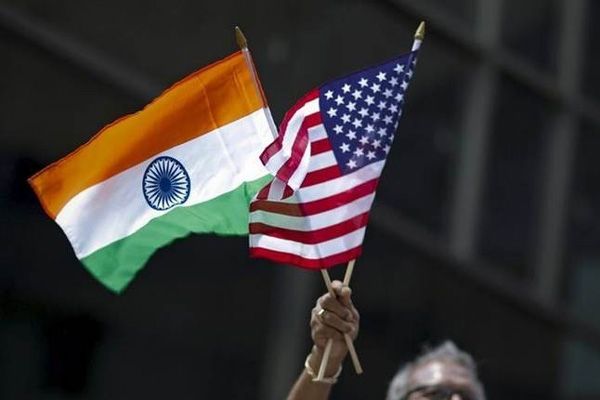
The United States has signaled a possible US India tariff rollback after Indian purchases of Russian oil plunged — a development that could ease trade tensions between the two economic powers and reopen avenues for deeper economic cooperation. The comments from US officials come amid shifting geopolitical and energy landscapes, with the move potentially reshaping long-standing trade disputes that have impacted Indian exports and strategic ties with Washington.
The tariffs in question were introduced as part of a broader US strategy to pressure India over its energy relations with Russia and broader trade policies, including high Indian tariff levels on American goods. Now, with India’s Russian crude imports “collapsed,” top US officials say there is a diplomatic “path” to removing the 25% punitive tariff previously imposed on Indian imports.
Background: 25% Tariff Imposed Amid Trade and Geopolitical Tensions
The 25% tariff — effectively a penalty on Indian goods entering the United States — was imposed as part of an escalation in trade friction between New Delhi and Washington that began in 2025. At first, the levy was framed as a reciprocal measure, mirroring high duties India imposes on certain US exports, but it was later tied directly to Indian purchases of Russian crude oil.
Under previous Trump administration actions, tariffs on Indian goods in the US market reached as high as 50% at one point, combining both reciprocal duties and additional penalties related to energy imports. India condemned the measures as “unfair, unjustified and unreasonable,” asserting that its energy policy was based on economic and domestic energy security needs rather than geopolitical maneuvering.
The punitive tariffs hit several critical export sectors — including textiles, gems and jewelry, automotive parts, and pharmaceuticals — and strained economic relations between the two countries, stalling broader trade negotiations. Indian exporter groups warned of significant declines in shipments as tariff barriers mounted.
India’s Russian Oil Import Decline: The Turning Point
Indian refiners drastically reduced imports of Russian crude in recent months, pushing volumes down to the lowest levels since late 2022. This drop was influenced by Western sanctions on Russian energy and the effects of US pressure on global supply chains. Data showed that India’s December 2025 Russian oil imports fell sharply, prompting Washington to extol the tariff’s effectiveness.
At global forums such as the World Economic Forum in Davos, US Treasury Secretary Scott Bessent described the drop in Russian crude buying as a “huge success” for US policy. During an interview with Politico, Bessent acknowledged the ongoing tariffs but said there appeared to be “a path to take them off” now that India has shifted its energy sourcing.
Bessent’s remarks signal an important shift in US rhetoric — from punitive measures intended to coerce energy policy change, to an acknowledgment that India’s evolving energy strategy may warrant tariff reassessment.
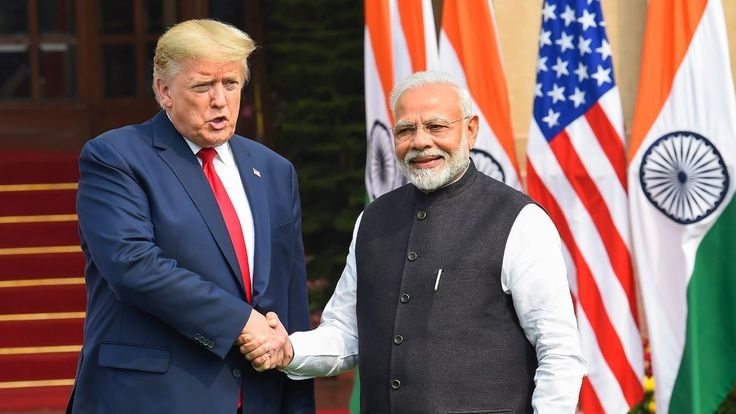
Trade Dynamics: From Dispute to Diplomatic Dialogue
While the tariffs remain in place for now, officials have been careful to frame any rollback as contingent on continued shifts in energy imports and broader cooperation. Bessent also highlighted that the tariffs provide “tangible benefits” to the US economy, but that a path exists to remove them if the original policy goals are met.
The potential rollback comes as discussions heat up in both the US Congress and international trade circles. Lawmakers have floated proposals that would impose even steeper sanctions — such as a bill discussed in the US legislature that could levy up to 500% duties on nations importing Russian oil. However, Bessent’s comments suggest that, for now, the shift in India’s energy mix may remove the need for further escalation.
Analysts see this as a strategic calibration — balancing economic interests with geopolitical realities. India’s pivot away from Russian crude has not only affected tariff policy but also created room for renewed discussions on a bilateral trade agreement that could reduce barriers on both sides.
What It Means for Indian Exporters and the Economy
A rollback of the 25% tariff would be a major boost for Indian exporters, particularly small and medium enterprises that have struggled with elevated duties in the US market. Clothing manufacturers, jewelry exporters, pharmaceutical firms and auto parts producers have all reported reduced competitiveness due to the tariffs, which doubled effective US duty rates on many Indian products.
Reducing tariffs could restore price advantage and open new market opportunities, particularly as Indian supply chains pivot toward diversification and value-added exports. Economists say the move may also help recalibrate trade dynamics, making Indian products more competitive and reducing downside risk from tariff-induced export slowdowns.
However, some experts caution that tariffs are only one piece of a broader trade puzzle. Broader structural issues — including non-tariff barriers, regulatory harmonization and market access — will still need to be addressed for a more sustainable long-term trade framework between Washington and New Delhi.
India’s Strategic Balancing Act
India’s energy strategy has long been rooted in ensuring affordable and reliable supply for its growing population. While reducing Russian oil imports, India has also diversified towards suppliers in the Middle East, Africa and Latin America, leveraging competitive pricing and logistics. This strategy has not only helped India meet its energy needs but also eroded the central justification for US punitive tariffs.
At the same time, India continues to resist external pressure that could compromise its strategic autonomy in energy and trade policy. Delhi has consistently argued that trade decisions should be driven by economic rationale rather than geopolitical coercion, a stance that has shaped its negotiation posture throughout tariff disputes.
The potential rollback of tariffs signals a possible thaw in relations — but India will likely continue to negotiate from a position that prioritizes national interests and market pragmatism.
What’s Next for US-India Trade Relations?
With the possibility of tariff rollback now on the table, experts predict several upcoming developments in US-India trade ties:
- Renewed bilateral trade negotiations with an emphasis on lower duties and market access.
- Sector-specific talks on technology, services and agriculture to align mutual interests.
- Energy cooperation frameworks as India’s refining and sourcing strategies evolve.
- Navigating geopolitical tensions tied to broader global issues, including Russia, Ukraine and China.
Whether these shifts lead to a comprehensive trade deal or incremental tariff adjustments remains to be seen. But for exporters, traders and policymakers, the change in tone from Washington marks the most significant shift in years.
This report is part of FFRNEWS India & Economy coverage, tracking major developments in trade, tariffs and international economic relations. Details in this article are based on reporting by NDTV and The Economic Times, which covered US Treasury Secretary Scott Bessent’s comments on possible tariff rollback tied to falling Indian imports of Russian oil.