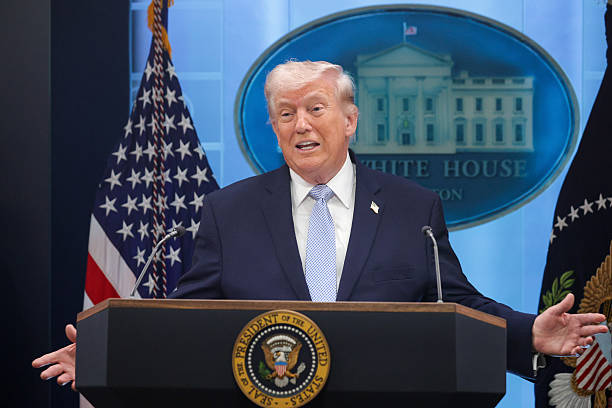

US Senate Border Deal negotiations once again collapsed in Washington this week, marking yet another dramatic turning point in the ongoing immigration and national security debate. The failed vote underscores the deepening partisan divide in Congress, raising questions about border policy, electoral strategy, and the future of bipartisan cooperation in the United States.
The blocked bill — an emergency funding package intended to address migration pressures at the US–Mexico border — had been positioned as one of the most urgent national security priorities of 2025. But despite weeks of negotiations, pressure from the White House, and repeated warnings from border state officials, the US Senate Border Deal failed to secure the required votes on Monday.
Below is a full breakdown of what happened, why it matters, and how this decision could shape US politics in the coming year.
Political Standoff Reaches Breaking Point
The collapse of the US Senate Border Deal marks the third time in 18 months that Congress has failed to pass a comprehensive emergency package. Republican leaders argued that the bill did not go far enough in restricting migrant entry, while Democrats insisted that the negotiated terms were already among the toughest proposals in decades.
The vote—blocked 52–48—fell short of the 60-vote threshold needed to advance legislation in the Senate.
In statements immediately after the vote, Republican lawmakers accused Democrats of pushing a “band-aid bill” that they believe “encourages more illegal migration.” Meanwhile, Democratic senators sharply criticized the GOP for “weaponizing border security for election-year politics,” saying that Republicans walked away from a deal they had previously helped draft.
President Joe Biden called the obstruction “dangerous and irresponsible,” saying the country “cannot keep playing political games while border communities are overwhelmed.”
What the Blocked Bill Actually Included
Although the US Senate Border Deal became highly politicized, the content of the bill was more complex than the public debates suggested.
Key components included:
- A temporary authority for the federal government to shut down border crossings when daily encounters exceed certain thresholds
- More than $10 billion in border enforcement infrastructure
- Thousands of new asylum officers aimed at reducing the years-long backlog
- Additional funding for fentanyl detection and anti-trafficking operations
- Emergency aid for states managing migrant support programs
Supporters have argued that the provisions would have significantly reduced border congestion while strengthening national security. Critics contended that the bill still fell short of addressing what they call the “root causes” of illegal migration.
Why Republicans Blocked the Deal
Despite being shaped partially by bipartisan negotiators, the GOP ultimately pulled its support.
According to multiple senators, pressure from conservative factions — along with influence from former President Donald Trump — played a significant role. Several Republican senators stated openly that the bill’s passage might “hand a win” to Democrats ahead of the 2026 midterm elections.
One lawmaker privately described the vote as “less about policy, more about political timing.”
Republicans also argued that asylum reforms in the bill remained too lenient. Some pushed for more aggressive restrictions, including mandatory detention for all migrants and expanded deportation authority.
Democratic Response: “They Wanted a Crisis, Not a Solution”
Following the bill’s failure, Democratic leaders accused Republicans of sabotaging their own demands. Senator Chris Murphy, a key negotiator, said the GOP “got everything they asked for — and then chose to walk away.”
Progressives, while skeptical of the bill’s strict enforcement measures, also condemned Republicans for “deliberate obstruction designed to elevate fear rather than solutions.”
The White House echoed those sentiments, calling the GOP vote a “choice to keep the system broken.”

How the Border States Are Reacting
Border state officials from Arizona, Texas, and California expressed deep frustration with the vote’s outcome.
Arizona officials warned that migrant-processing facilities in several counties are already near breaking point, and failure to pass the bill could strain local budgets further.
Texan leaders — even some Republicans — criticized Congress for leaving state and local authorities “without additional federal support despite increasing pressure.”
California officials pointed to humanitarian concerns, saying that the failed bill could worsen overcrowding and slow the asylum process even further.
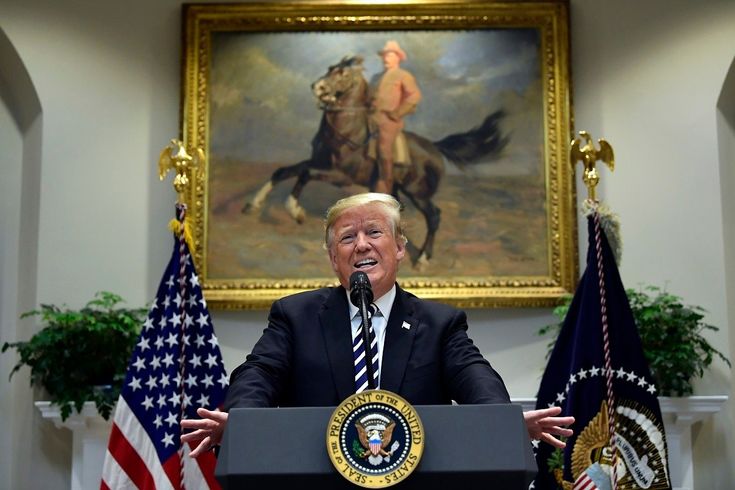
Immigration Policy as a 2026 Election Wildcard
With the US Senate Border Deal failing again, immigration is set to become one of the most contentious issues of the 2026 midterms. Both parties believe the issue can energize their base — but the political risks are significant.
Democrats worry that continued gridlock at the border could undermine public confidence. Republicans fear that voters might blame Congress for failing to deliver meaningful solutions.
Polls from major research groups show that immigration remains one of the top three concerns for American voters heading into the next electoral cycle.
Expect the issue to dominate debates, campaign ads, and political messaging through 2025 and beyond.
What Happens Next?
Congress is expected to revisit border legislation early next year, though analysts warn that each failed attempt makes bipartisan cooperation more difficult.
Possible scenarios include:
- A smaller, enforcement-only bill
- Executive orders from the White House
- Renewed state-level challenges from Texas and other states
- A broader package tied to foreign aid, similar to previous attempts
Still, most experts agree that without bipartisan agreement, fundamental immigration system reform will remain out of reach.

End of an Empire, Beginning of a Warning
The repeated failure of the US Senate Border Deal sends a clear message: America’s political system is locked in a cycle of gridlock where electoral strategy outweighs national interest. As border pressures continue to rise, lawmakers risk pushing the immigration system closer to collapse — unless compromise returns to Washington.
This report is based on information originally published by BBC News, with additional analysis and context provided by FFR News.